
This article contains affiliate links that may earn me a small commission at no extra cost to you. As an Amazon Associate, I earn from qualifying purchases. For more information, see our affiliate disclaimer.
Nicaragua, the land of lakes and volcanoes.
The largest country in Central America is home to more than 20 volcanoes and dozens of lakes, most of volcanic origin.
But volcanoes aren’t Nicaragua’s only drawcard. There is an immense diversity of landscapes around the country. From the charming colonial cities of Leon and Granada, the unique volcanic island of Ometepe, the tropical Corn Islands in the Caribbean and miles of Pacific Coast dotted with surf towns, there’s something for everyone in Nica.
Its affordable prices make backpacking in Nicaragua very attractive, and it is a firm favourite on the Gringo Trail through Central America. We spent five weeks travelling in Nicaragua as part of a broader 6-month trip through the region.
We found travel in Nicaragua challenging and frustrating at times. It’s an intense place, with a repressive government, high levels of poverty and a troubled past, and it’s important to read up on the situation before visiting.
The frustrations were always worth it though, and some of the greatest highlights of our trip were in Nicaragua.
In this Nicaragua travel guide, I’ll share the best places to visit and top things to do, how to get to and around the country, as well as handy travel info like entry requirements, money matters and phones and SIM cards.


Why visit Nicaragua?
Nicaragua is a backpacker favourite in Central America, with a whole lot to offer (you don’t have to be a backpacker to enjoy it though!). There are so many reasons why you should visit Nicaragua, whether it’s part of a broader trip through Central America or as your primary destination.
- 💰 Budget-friendly: backpacking in Nicaragua is so popular because it is one of the most affordable countries in Central America. We didn’t think Nicaragua was as cheap as everyone made it out to be (check out our Nicaragua budget for what we spent), but it’s certainly more affordable than its popular neighbour, Costa Rica. With some careful budgeting, you can travel here quite cheaply.
- 🌋 Volcanoes: they don’t call Nicaragua the land of lakes and volcanoes for nothing! There are dozens of volcanoes around the country, many of which are still active. The best thing is that many of these volcanoes are accessible for some pretty epic, once-in-a-lifetime adventures. Whether you want to board down the slopes of Volcan Cerro Negro at high speed, stare down into a crater full of lava at Volcan Masaya, or tackle the gruelling hike up Concepcion, Maderas or San Cristobal, there’s a volcano experience for you in Nicaragua!
- 🏝️ Paradaisacal islands: if you’re a tropical lover like me, you will fall in love with Nicaragua’s Corn Islands. These islands are way off the usual Western Nicaragua tourist trail and we did not expect to love them as much as we did. Visiting the Corn Islands is a reason alone to go to Nicaragua, and you can get a taste of what a Caribbean island would have been like decades ago before resorts and cruise ships took over.
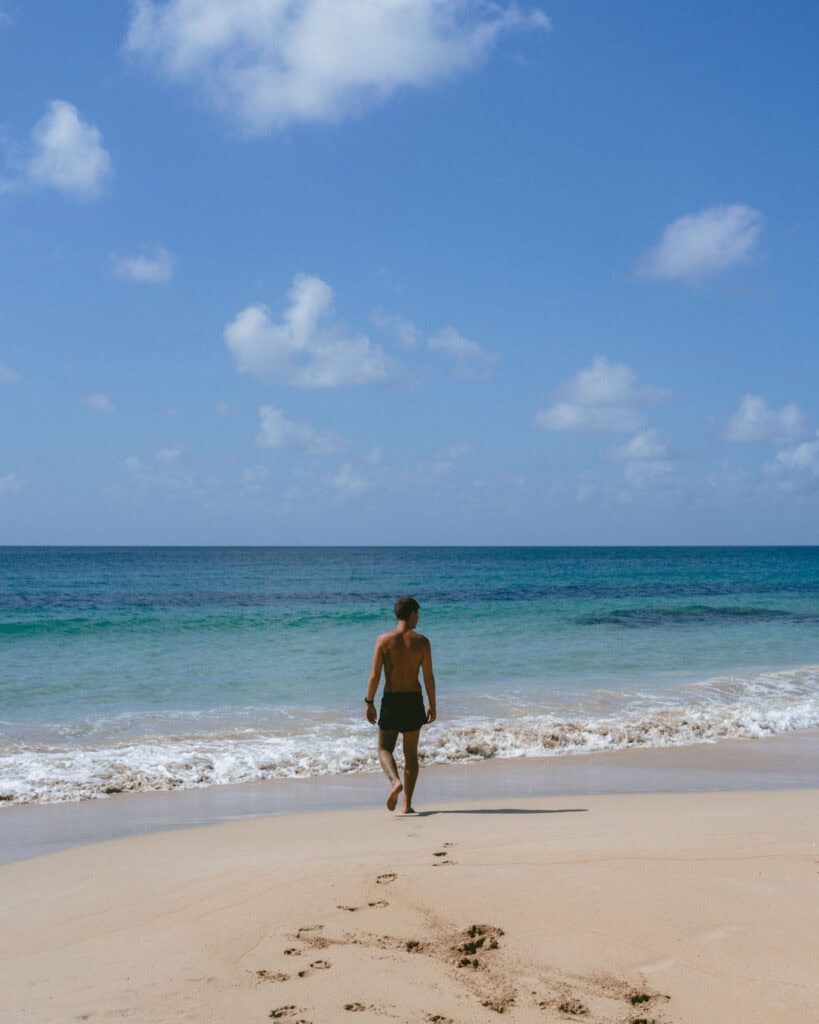
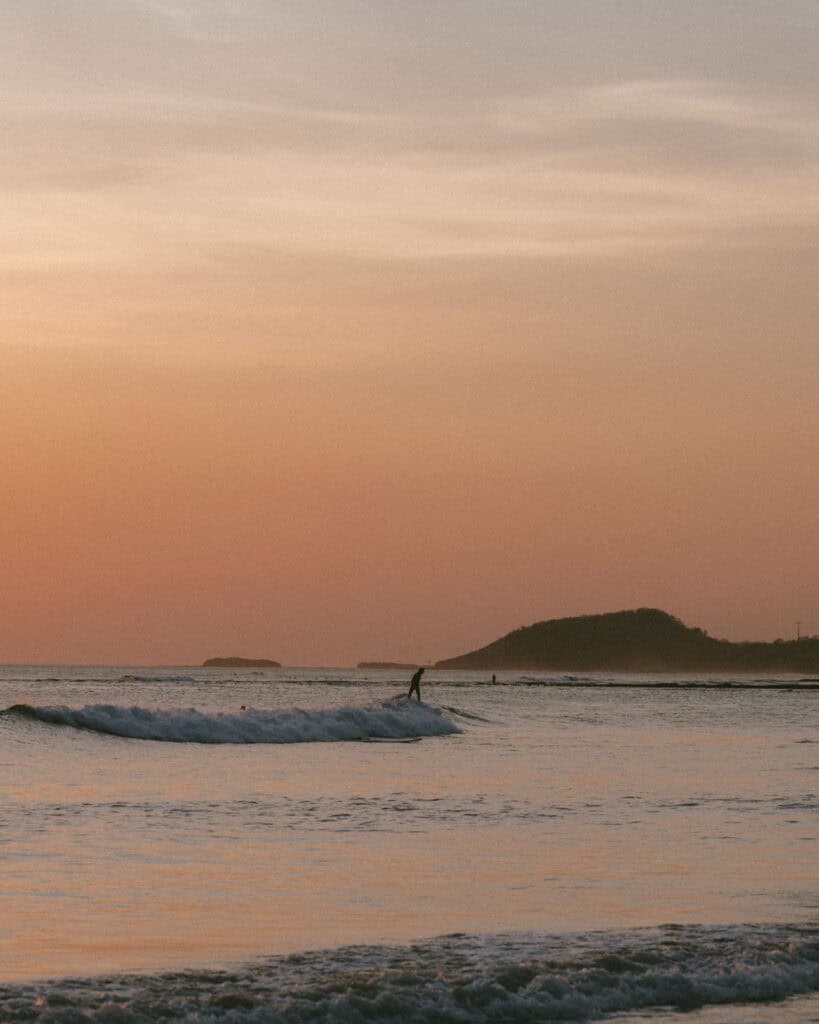
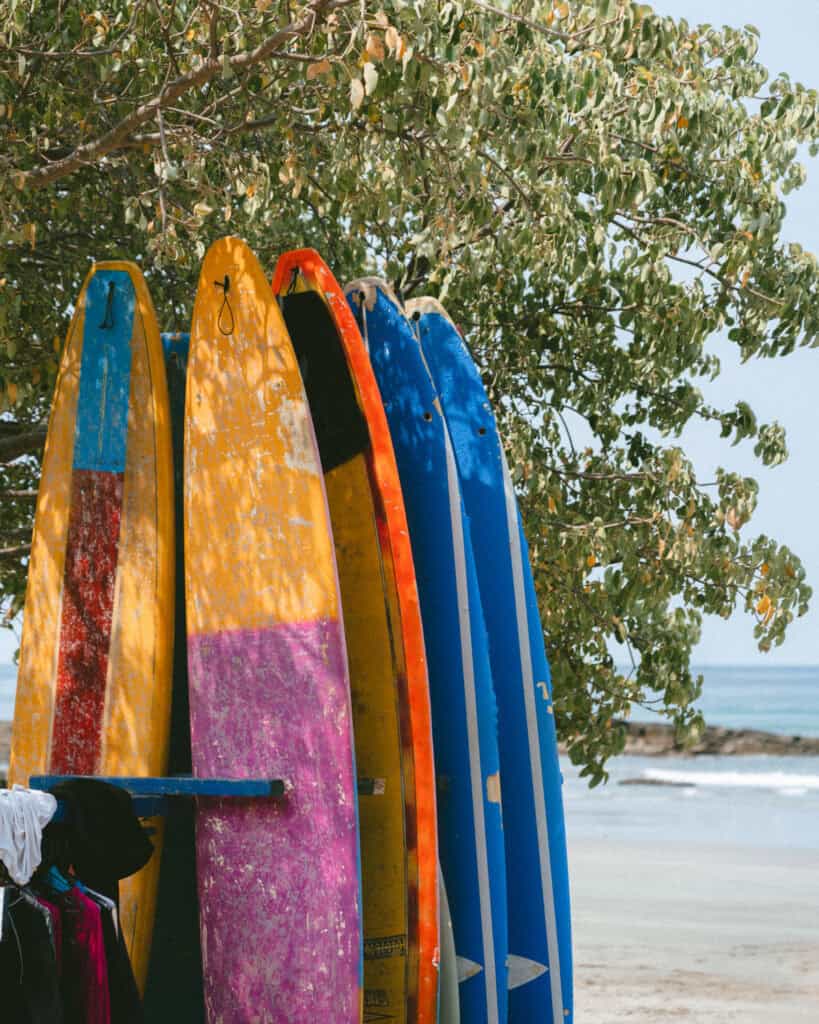
- 🏄🏽♀️ Surfing: with over 300 km (186 mi) of Pacific coastline and more than 300 days per year of offshore wind, Nicaragua is one of the best surfing destinations in Central America. Dozens of laidback surf towns line the coast, with surf camps, board rentals and all the other necessary amenities to house and fuel keen surfers.
- ⛪️ Colonial gems: Nicaragua’s colonial cities are some of the finest in the region. Leon has a gritty, crumbling type of charm, while Granada is the pretty, polished city. Both have beautiful Spanish colonial architecture, ornate churches and cobblestone streets to explore.

Is Nicaragua safe to travel?
The security situation in Nicaragua is a funny one.
On a personal security level, Nicaragua is considered one of the safest countries in Central America. While petty theft and minor scams are possible, violent crime is uncommon.
Australia, Canada and New Zealand all categorise Nicaragua as level 2 – exercise increased caution, with the UK providing similar advice. The USA rates Nicaragua at level 3 – reconsider your need to travel due to the political situation.
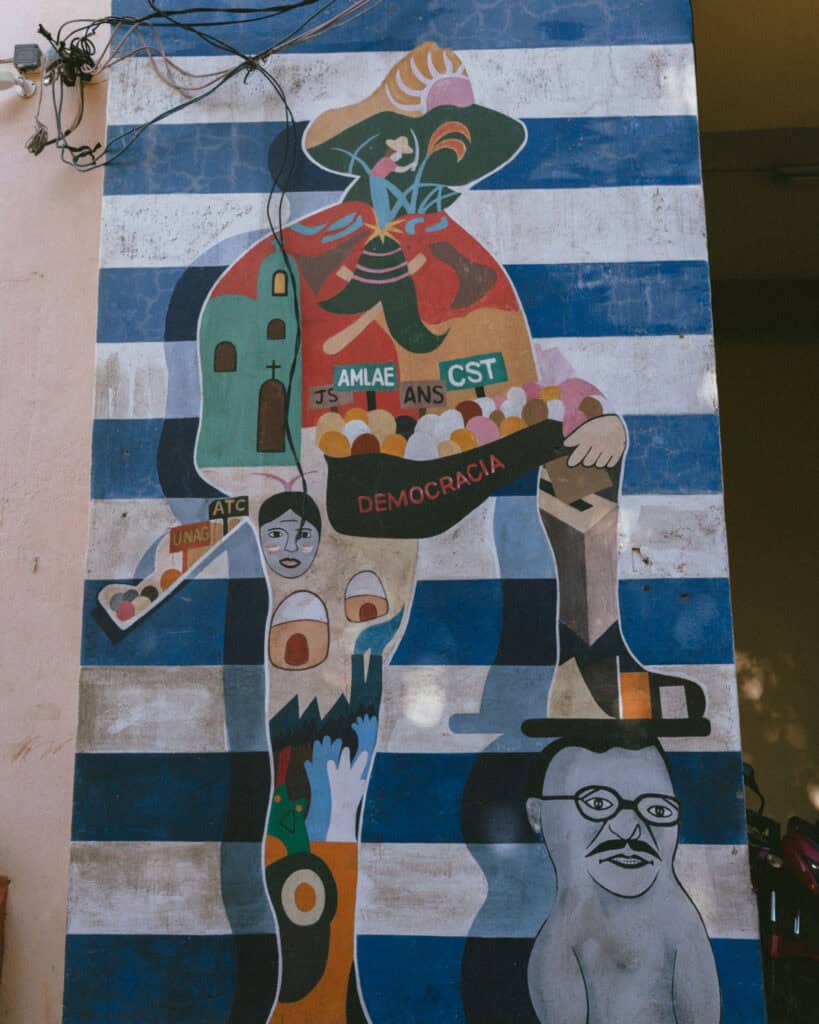
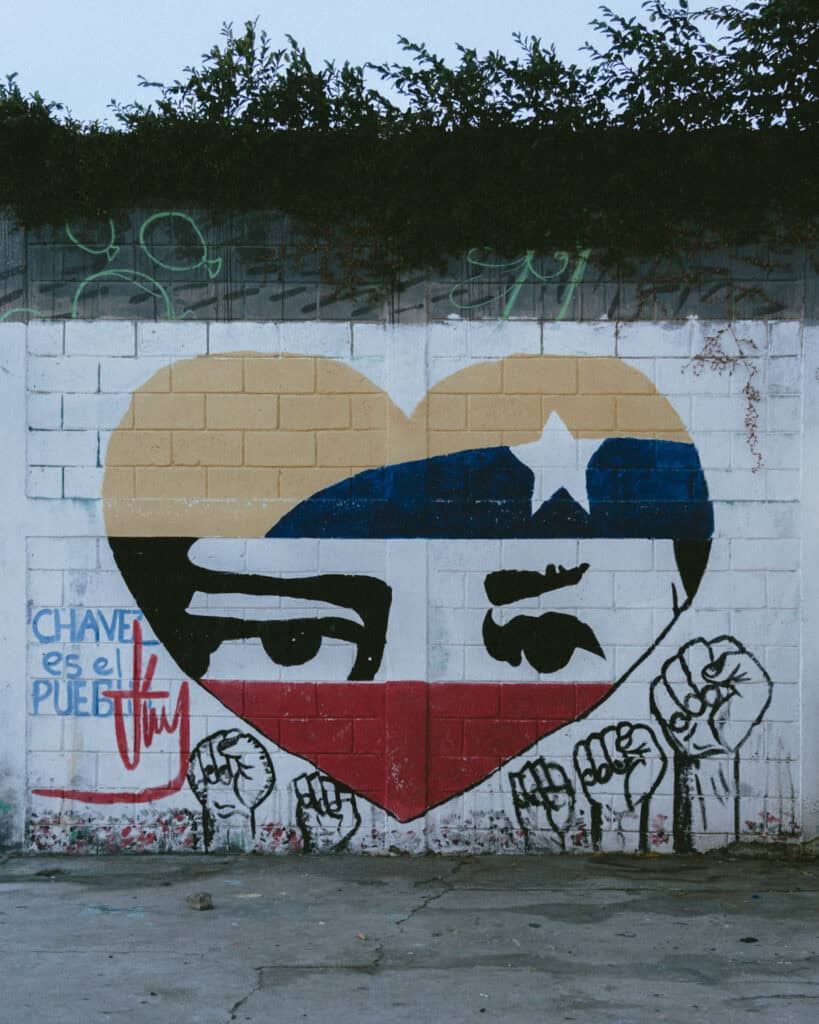
The problem with Nicaragua is its political instability. Nicaragua has an authoritarian government that borders on a dictatorship. The situation stems back to the Nicaraguan Revolution and Contra War and I’d really recommend doing some reading before visiting.
The government takes strong and violent measures against anyone openly opposing them. Anti-government protests almost always end with a body count. They censor the media, have shut down all kinds of civil society, and introduced arbitrary laws allowing imprisonment for people who they deem have ‘threatened the peace and economic stability of Nicaragua’. Opposition party members, journalists and advocates have been imprisoned, deported, denaturalised and banned from ever returning.
So what does that mean for us tourists?
On a day-to-day level, not much. Nicaragua is open for tourism and they do want tourists to visit. But tourists should not play any part in political activities, and that includes posting on social media. Be very cautious about saying anything anti-government, and steer well clear of any political protests.
You cannot bring a drone into the country, which I believe is to prevent the recording of protests and human rights violations in the country. There was a brief period when the government banned all camera equipment and binoculars, but quickly reversed this after widespread uproar.
In addition to their volatile political situation, Nicaragua is also the poorest country in Central America, and we felt this poverty and desperation. I don’t want to diminish the plight of Nicaraguans, and I think life there would be very difficult, but we also found it a challenging place to travel because of this.
As ‘gringos’ we were viewed as a walking ATM machine and were constantly ripped off and overcharged. The buses and taxis have a collaborative racket going on to squeeze tourists for as much as possible. You should prepare for this. We also experienced a lot of begging and hassling from street vendors, particularly in Granada.
Our experience in Nicaragua was dampened because of all of these issues, which gets exhausting and frustrating after a few weeks. The political situation also casts an intense feeling, like nowhere else we had visited in the region. While we had a great time and many highlights, it was probably our least favourite country overall during our 6-month trip in Central America.
We never felt unsafe anywhere though and had no particular problems regarding safety. I will say we felt on edge in Granada and San Juan del Sur, and we wouldn’t have wandered beyond the busy tourist centres at night in these destinations or in Leon or Big Corn Island.
Language in Nicaragua
As with most countries in Central America, Spanish is the official language in Nicaragua.
Nicaragua is not as popular with foreign tourists as neighbouring countries, so English is not widely spoken. You can expect people directly in the tourism industry (tour operators, hostels etc.) to speak some English, but most people speak Spanish only.
Brush up on your Spanish and have the Google Translate app at the ready! This also comes in handy when negotiating prices, as ‘gringo prices’ are a real thing here, and if you can speak some basic Spanish that usually helps.
The only exception is the Corn Islands and parts of the Caribbean Coast, where Creole English is the primary language.
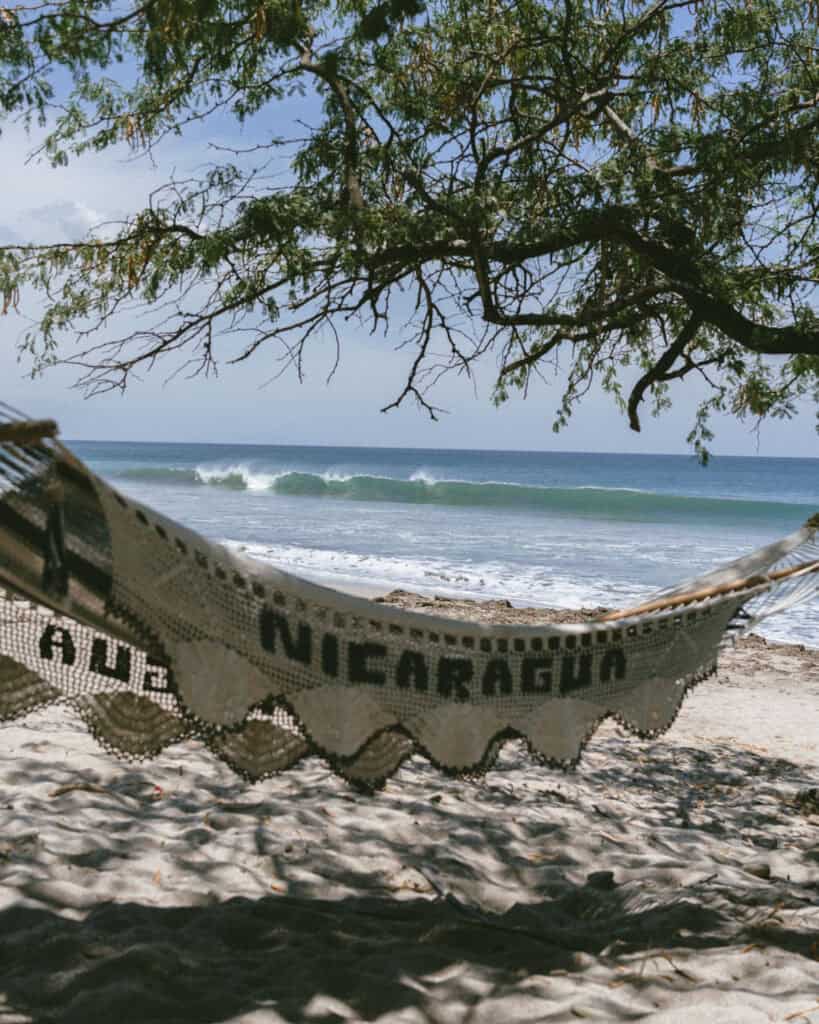
Best time to visit Nicaragua
Nicaragua has a HOT climate with a distinct wet and dry season, although the climate varies across the country on either coast.
The dry season (high tourist season) is typically from November to April and the wet season (low tourist season) is from May to October.
The Pacific Coast tends to follow these seasons more rigidly, and the dry season is hot and usually free of rain.
The Caribbean Coast and Corn Islands have a more tropical climate with a chance of rain year-round. The dry season kicks off a little later, usually from March until May, and the region also experiences a second mini-dry season in September, before a very wet October and November.
I think Nicaragua might be one of the hottest places we have ever been.
Admittedly, we were there during one of the hottest months of the year (April) but it can be oppressively hot year-round, especially in Leon. The Pacific Coast felt a lot drier and less tropical than across the border in Costa Rica and you should be prepared for heat!
Skip Christmas, New Year and Semana Santa (Easter) if you can, as these are the busiest periods for international and domestic travel.
🌞 If you’re planning to visit both the Pacific and Caribbean Coasts, I think March is the best time to visit Nicaragua for clear, dry weather. If you’re not visiting the Corn Islands, January and February are the best months to visit.

Places to visit in Nicaragua
Nicaragua has so many beautiful and diverse places to visit, with something for every taste!
- ⛪️ Leon: Nicaragua’s second-largest city, Leon is a grungy university city with a whole lot of charm. It has an intense and fascinating political history, having played a key role in Nicaragua’s revolution. A walking tour is a must, and a food tour is a great way to dive into the local cuisine and markets. The city is surrounded by volcanoes, including the famous Volcan Cerro Negro which you can hurtle down at high speed, aka volcano boarding. The Pacific Coast beach town Las Peñitas is just half an hour away, completing the trifecta of city, beach and nature in Leon.
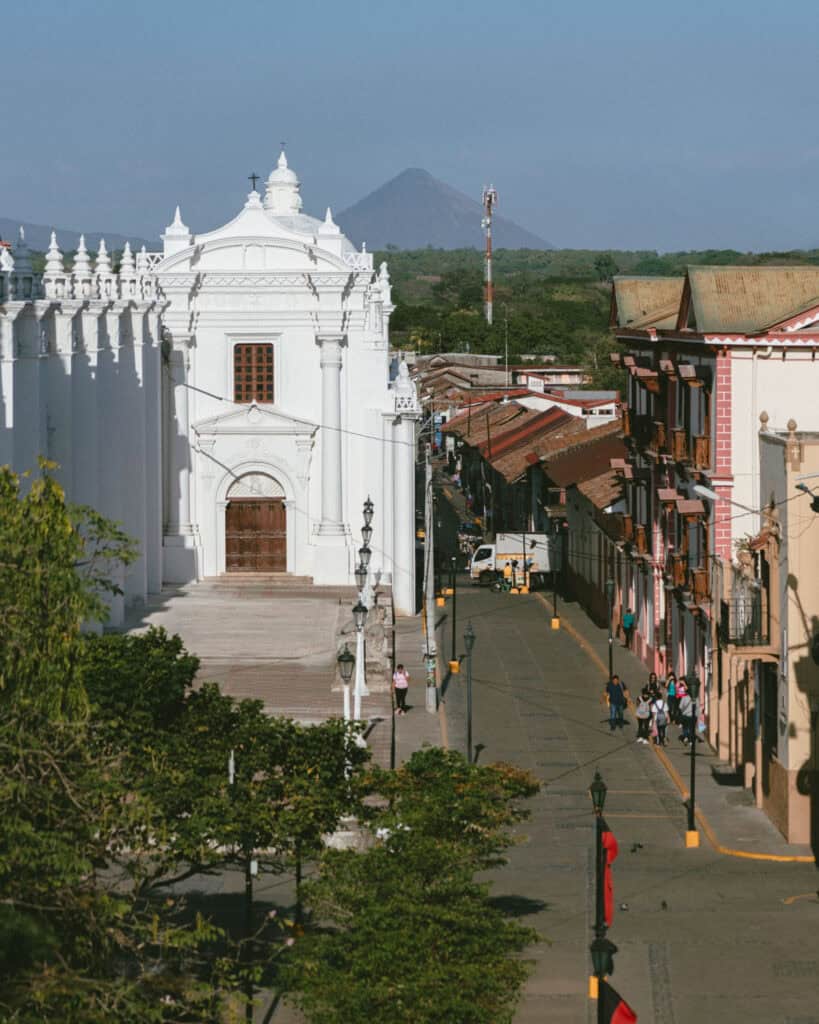
- 🔔 Granada: Granada is the other city in Nicaragua and the tourism industry’s favourite poster child. Where Leon is crumbling, Granada is polished and shiny, with its bright yellow cathedral plastering every marketing brochure. Sitting on the shores of Lake Nicaragua, with Volcan Mombacho looming overhead, Granada isn’t short on nature experiences. You can kayak through some of the 365 Isletas de Granada, tiny jungle-clad islands created by one of Mombacho’s more memorable eruptions, see lava at Volcan Masaya or hike through the cloud forests on the slopes of Volcan Mombacho.

- 🌽 Corn Islands: the Corn Islands are completely isolated from the rest of Nicaragua and feel like an entirely different country. Sitting more than 50 miles offshore in the Caribbean Sea, twin islands Big Corn and Little Corn are tropical paradises! White sandy beaches, crystal clear Caribbean waters, thriving coral reefs, and a blissfully laidback pace of life, it’s worth all the effort required to get here. Populated primarily by Afro-Caribbean descendants, the culture, language and vibe are totally different to anywhere else in Nicaragua.
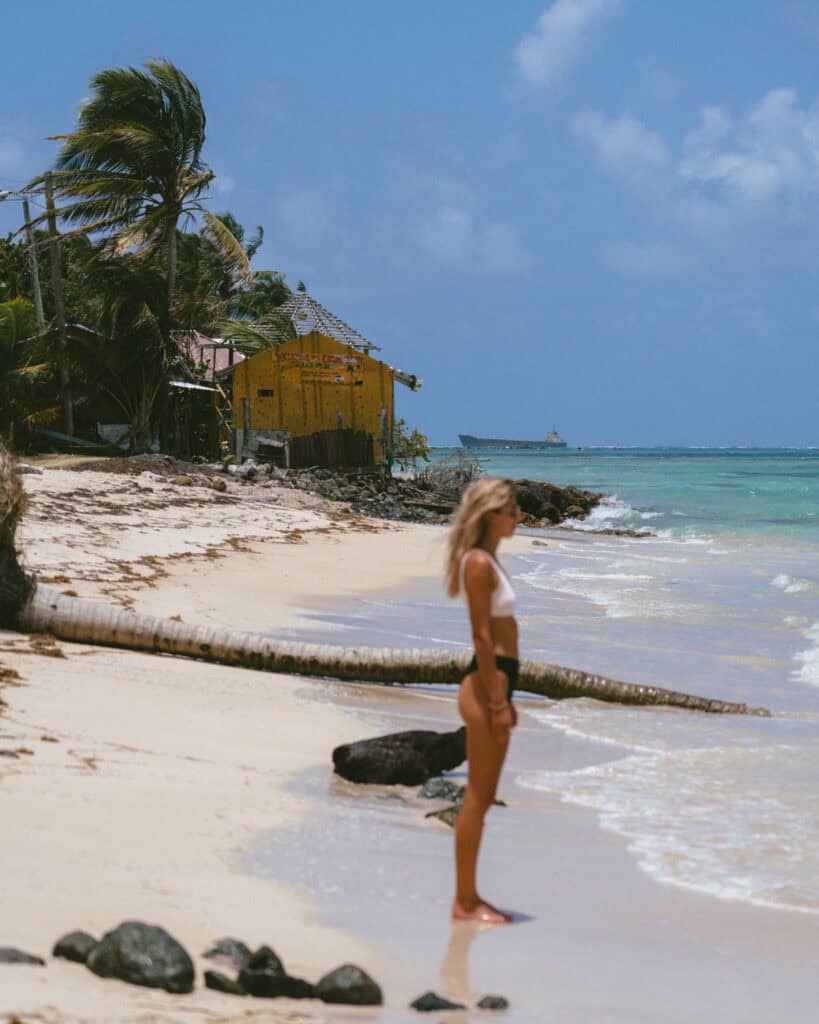
- 🌺 Laguna de Apoyo: most travellers visit this picturesque volcanic crater lake as a day trip from Granada, but we think it’s worth a few nights. There’s little to do besides swim in the lake’s clean, blue waters, relax in a hammock at one of the few lakeside lodges, and enjoy sunrises over the lake but it’s the perfect place to slow down.

- 🌋 Ometepe: the volcanic island of Ometepe is one of the most unique and beautiful destinations in Nicaragua. Made up of Volcan Concepcion and Volcan Maderas, Ometepe sits in Central America’s largest lake, Lake Nicaragua. It’s a beautiful blend of rural towns, lush jungles, lake beaches, wildlife, hiking opportunities, and ever-present volcano views you won’t soon forget.

- 🏄🏽♀️ Popoyo: one of a string of laidback surf towns along the Pacific Coast, Popoyo is Nicaragua’s ‘currently trending’ destination. The tiny town is stretched across two neighbouring beaches, with dusty roads, one inconveniently located ATM and very limited public transport. It’s rural Nicaraguan life at its finest, but funky surf camps and boutique hotels are popping up alongside aesthetic cafes and trendy beach bars. It’s one of the best places in Nicaragua to learn how to surf, with the aptly named Beginner Bay providing gentle waves.

- 🍻 San Juan del Sur: Nicaragua’s most popular beach town, San Juan is a collision of worlds. It’s the most popular getaway for domestic travellers, but also a hotspot for backpackers who flock for the weekly Sunday Funday booze fest. Complete with bougie cafes, plenty of raucous bars, lots of shopping and surfing. We preferred the more relaxed neighbouring beaches, but if you’re looking for a typical beach vacay, SJDS is the place.
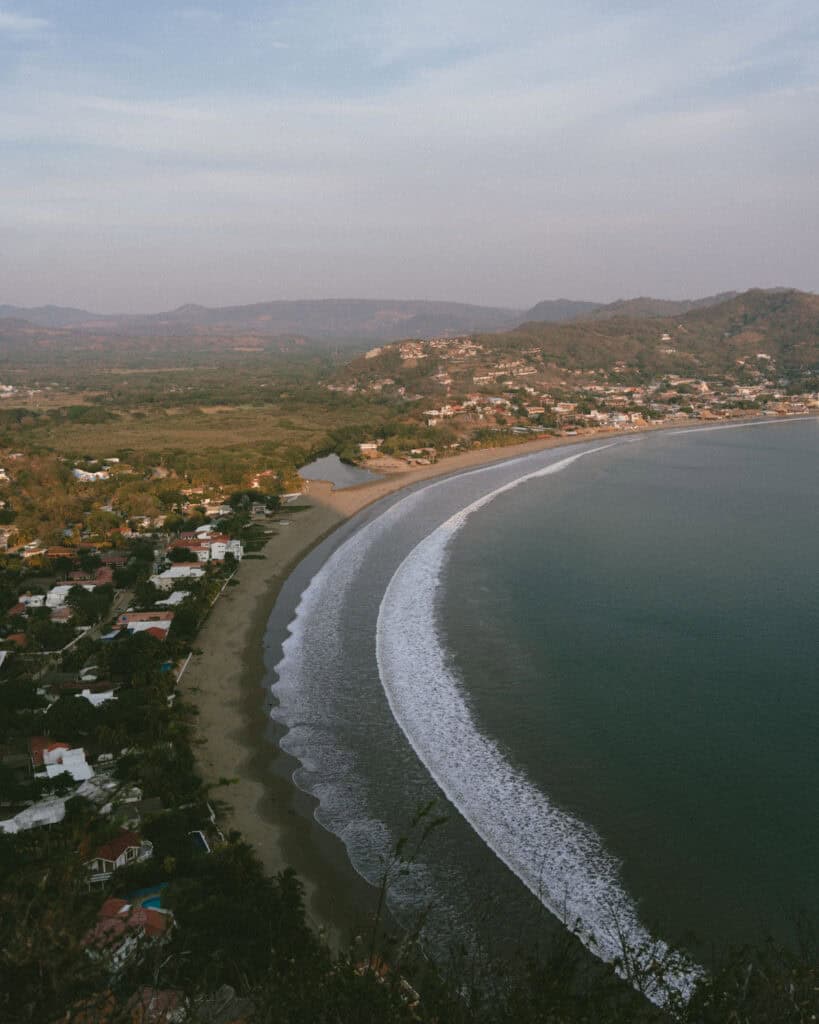
- 🌞 Playa Maderas: just 20 minutes up the road from San Juan del Sur, Playa Maderas is one of the best surf breaks in the area. In the last decade, it’s come into its own, no longer just a day trip from San Juan, but a destination in its own right. There is a small cluster of accommodations and eateries near the beach, but that’s about it. Maderas is a small, dusty place where days revolve around the sunrise and sunset and tide times.

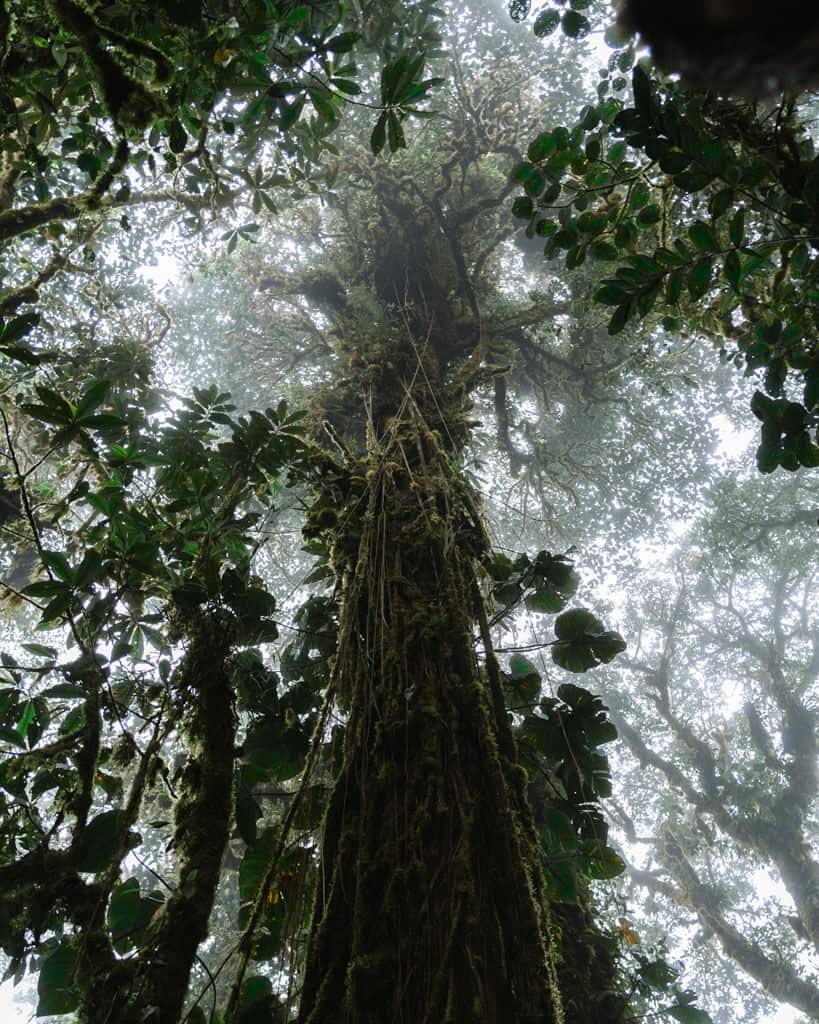
- 🌿 Northern Highlands: the north of Nicaragua is a lush world of cloud forests, coffee plantations and tobacco fields, with a cooler climate. There are a few different regional hubs, depending on the adventures you’re looking for. Esteli is a great base for exploring the impressive Somoto Canyon and the magic Miraflor Cloud Forest, Jinotega is the heart of coffee country and Matagalpa is a friendly rural city.
- 🛶 San Carlos and the Rio San Juan: running almost 200 kilometres along the border of Nicaragua and Costa Rica, the Rio San Juan connects Lake Nicaragua to the Caribbean Sea. This remote tropical waterway is a haven for wildlife, kayaking and other eco-activities. There is a collection of villages along the river, with colourful stilt houses perched amongst the jungle. San Carlos is the biggest hub town, at the mouth of the river in Lake Nicaragua.

Top things to do in Nicaragua
There are so many amazing things to do in Nicaragua! I’ve listed many in my specific destination articles, but if you’re wondering what are the absolute top, bucket list experiences that you should plan your trip around, here’s my top 10!
- 🌋 Volcano boarding at Cerro Negro: easily the most popular activity in all of Nicaragua, volcano boarding is exactly what it sounds like – sliding down a volcano on a board! Volcan Cerro Negro is one of Nicaragua’s youngest volcanoes. Its black, volcanic gravel is the perfect runway for the toboggan-style wooden boards travellers use to hurtle themselves down the slopes at speeds up to 100 km/h! Just an hour outside of Leon, there’s nowhere else in the world you can do this so you better take the opportunity!
- 🤿 Snorkel or scuba dive in Little Corn: Little Corn Island is a tropical paradise above and below the surface, and you can’t miss the opportunity to explore its pristine reef and marine life. Whether you go snorkelling or diving, you’ll see vibrant and undisturbed coral reefs, with turtles, rays, sharks and all kinds of colourful fish.
- 🏄🏽♀️ Go surfing: if there’s one thing Nicaragua is known for on a global scale, it’s surfing. The Pacific Coast is lined with dusty surf towns, long attracting wave riders from all over the world. Whether you’re an expert or just starting out, there is a break for you. The south coast around San Juan del Sur is considered to have the best waves, but therefore crowds. A little further north, Popoyo is a good sweet spot with waves and slightly fewer surfers in the line-up, while Las Peñitas or El Transito in northern Nica are relaxed and quiet, usually suitable for beginners.


- 🌋 Hike a volcano: there are dozens of volcanoes to explore in Nicaragua, each with hikes of varying difficulties, and different rewards at the summit! Seeing the Milky Way and watching the sunrise from Telica Volcano in Leon was a highlight for us. If you want something more challenging you can hike Concepcion or Maderas Volcano in Ometepe. Mombacho Volcano in Granada is an entirely different experience, with lush cloud forest.
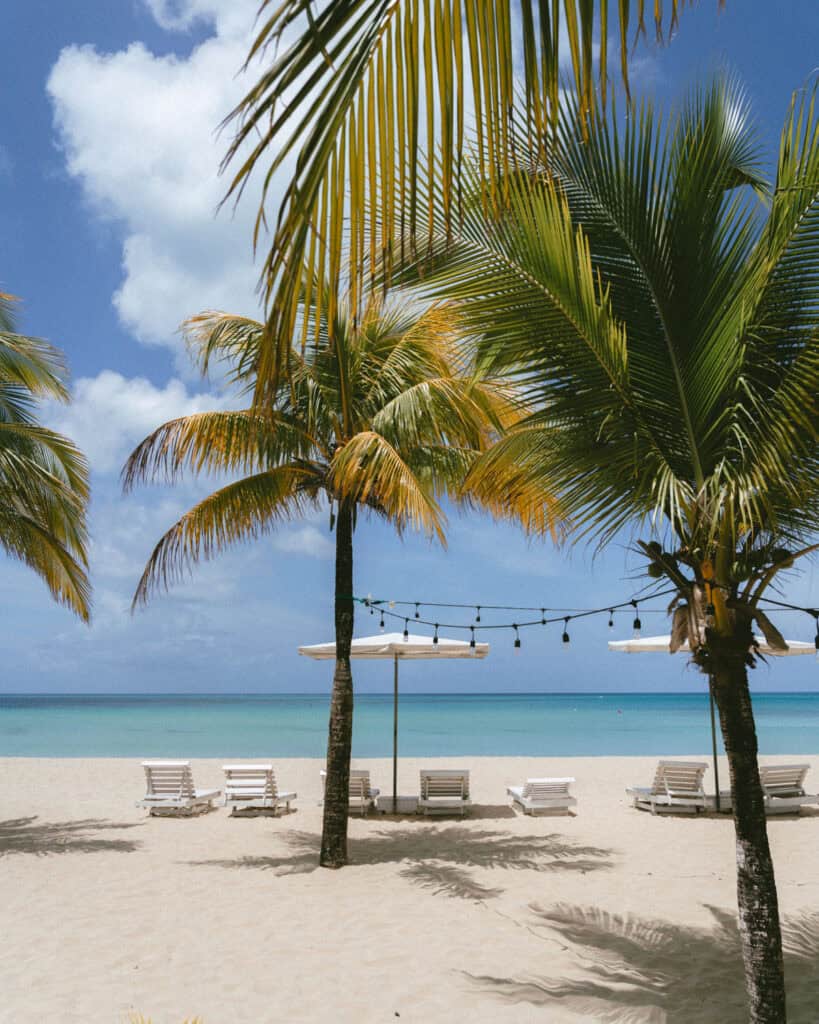
- 🏖️ Enjoy the beaches on Big Corn: the beaches on Big Corn Island were some of the best we saw in all of Central America, and they were virtually empty! Long Bay Beach was a wild stretch of sand, with bright blue waters backed by jungle. The beaches along Southwest Bay looked like they belonged on a postcard, with the calmest, clearest waters, like a huge blue bathtub, backed by powdery white sand and palm trees. It’s tropical heaven!
- 🛵 Cruise around Ometepe Island: there are so many things to do in Ometepe, but my favourite activity was simply cruising around the island on an ATV (or scooter or motorbike). The scenery is stunning, with a huge volcano always looming ahead of you, beautiful lake beaches and lush jungle with monkeys swinging from the trees. Feeling the breeze in your hair as you cruise through rural villages is the best feeling!


- 🛶 Kayak on Las Isletas de Granada: a collection of over 300 tiny islets that were created when Mombacho Volcano blew its top and sent island-sized rocks flying into Lake Nicaragua. Today, kayaking through the jungly islands and narrow waterways is a perfect nature escape in the heart of Granada. There are water birds, monkeys, turtles and caimans. Time your tour for sunset!
- 🇳🇮 Learn about Nicaragua’s political history: Nicaragua has an intense and harrowing political past (and present for that matter). To understand the society and people of Nicaragua, it’s important to learn about its history. I would highly recommend doing a bit of research before you arrive, but there are some great experiences in-country. Leon is a great place for this, and some of the best things to do in the city are an excellent walking tour and the Revolution Museum.
- 🔥 See lava at Masaya Volcano: Nicaragua might have dozens of volcanoes, but there is one that outshines the rest. Masaya Volcano is one of the country’s most famous attractions, for the glowing lava lake in its crater. A constant stream of smoke and gases billows out of the volcano, and if you visit at night, you can see the red-glowing lava. The volcano has recently had some increased activity and the lava lake disappeared for a while, it’s back but not quite as visible as it once was.
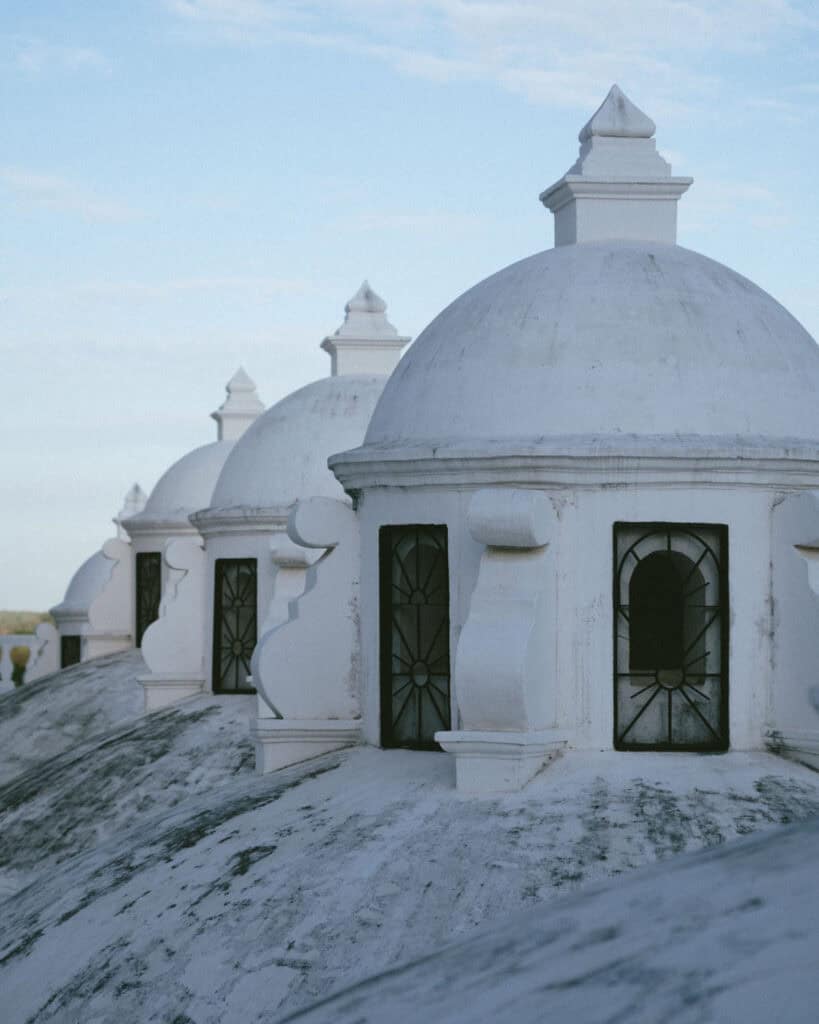
- ⛪️ Check out the churches: Nicaragua was colonised by the Spanish in the 16th century, and despite the horrific things they did to the Indigenous inhabitants, they did leave behind some stunning architecture. Leon and Granada are the best examples of colonial cities, with charming buildings, churches in particular. The Catedral de Leon is a stunning neoclassical/baroque white-washed masterpiece, supposedly the largest in Latin America. You can climb to the rooftop of the cathedral and wander amongst the domes, which is particularly beautiful at sunset. Granada has its fair share of churches, with its vibrant yellow cathedral standing over Parque Central. One of the best things to do in Granada is to climb the bell tower of Iglesia de la Merced for some epic views over the city.


Visas and immigration to enter Nicaragua
Citizens of many nationalities can enter Nicaragua without a visa for tourism purposes for up to 90 days. However do be sure to check the list, as they changed this quite significantly in February 2026. There are now 128 nationalities who require a ‘type C consulted visa’. You can find the full list here (the document is in Spanish but look for section ‘Tercero’ with a list of 128 countries). New Zealand and many European countries now require a visa.
Nicaragua is part of the CA-4 agreement with El Salvador, Honduras and Guatemala, allowing travellers to spend 90 days total across all 4 countries.
If you are entering Nicaragua from another CA-4 country, they will find your original entry date to the region and calculate your remaining days based on that.
If you are flying into Managua, you will pay a $10 USD entry fee. Apparently it’s possible to pay by card but this is unreliable, I’d recommend bringing cash (don’t expect change).
Entering Nicaragua by land from El Salvador, Honduras or Costa Rica is a complex and time-consuming process. I would love to lay out the exact steps and costs here for you, but even after doing it myself, I still don’t know what the process is supposed to be. It is inconsistent and confusing and no one at the border gives any clear information. It also seems to differ by border.
If you’re crossing the border by land, I would recommend doing this via a tourist shuttle or long-distance bus company (such as Ticabus or Nicabus) as they will give you current and specific instructions on the immigration processes and do a lot of the paperwork on your behalf.
I believe there is a form you need to fill in prior to your arrival. We were told to do it a minimum of 7 days before arrival, I’ve also read 14 days. Some people say there is no need to complete the form beforehand, and it can be done at the border, but others say doing it at the border incurs an additional $5 USD entry fee and makes the process slower. See what I mean about confusing?
We completed this form online in advance at the request of our shuttle company, but again, I don’t know if it’s really required and everyone seems to have a different answer.
Crossing the border with a tourist company means you have someone to direct all these questions to, and they’re up to date with all the latest processes.
There is an entry fee of at least $10 USD, I think it’s actually $13 USD but may be $18 USD if you didn’t do the form. This must be paid in cash, in US Dollars. If you don’t have USD don’t worry, there are usually guys at the border exchanging cash. Your bus/shuttle company can tell you how much. If you are coming from El Salvador and/or Honduras, note that there are entry and exit fees here too, so your shuttle company will most likely ask you for $22 USD.
We weren’t asked for proof of onward travel when we entered, just a valid passport (with more than 6 months remaining), our contact phone number and evidence of our first accommodation booking.
If you don’t have any fixed plans or flight bookings, you should still be prepared to show evidence just in case they ask. You can use a service like Onward Ticket, which instantly books you a real flight ticket for just a few bucks, and automatically cancels the booking after 48 hours. You don’t have to pay the full amount for the flight, just their service fee (currently $16).
Nicaragua MAY ask you for proof of yellow fever vaccine if you have ‘recently’ been in a high-risk country, or more likely if are flying directly from such a country. I think this is more common if you’re travelling north and have been in Panama or South America, which they consider high risk. You can check the WHO’s list for countries with a high risk of yellow fever. As for whether you will actually be asked for this evidence is anyone’s guess.
If you are exiting by land, there is an exit fee of $3 USD (again, must be paid in USD) plus $1 USD to access the border zone (at Peñas Blancas, at least if you’re travelling south to Costa Rica). If you are exiting by air, apparently there is a $35 USD exit tax but this should be included in your flight ticket.
You cannot bring drones into Nicaragua. Do not even attempt it, they will find it and confiscate it. We spent 3+ hours sitting at the border while every inch of our shuttle van got searched, and our bags were x-rayed and searched. They take this VERY seriously. Cameras and lenses are allowed, if you appear to be a hobby photographer. If you have a huge kit of professional video cameras, you may get a lot more scrutiny. Binoculars are a no-go too.
🚁 Read more about the situation with drones in Nicaragua and how to still travel with a drone in Central America
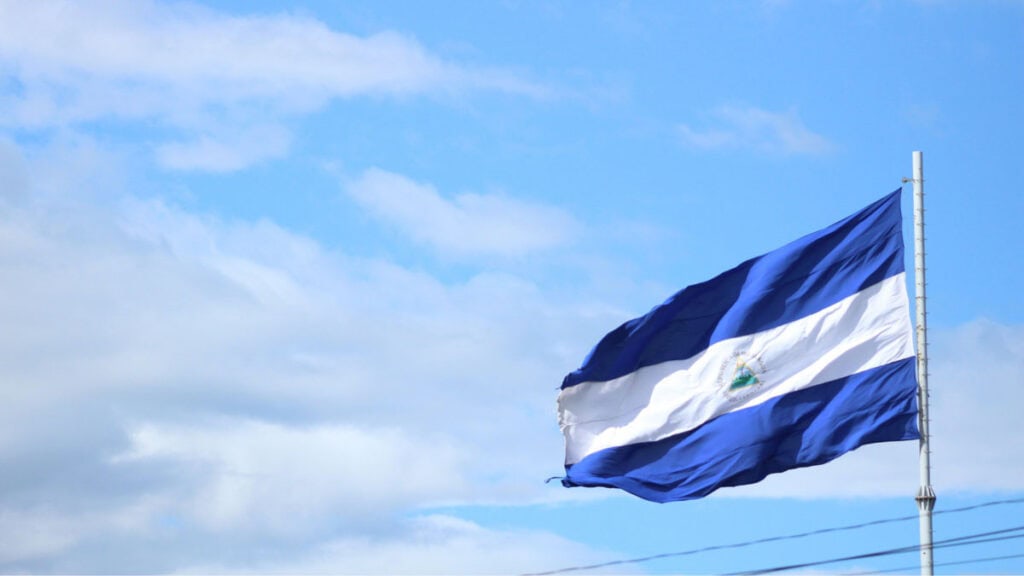
Getting to Nicaragua
✈️ BY AIR
Nicaragua only has one major international airport, the MGA – Augusto Cesar Sandino International Airport in the capital city of Managua.
It’s a very small airport, receiving just a handful of international flights from neighbouring countries and limited cities in the USA.
If you’re not already travelling in the region and are solely visiting Nicaragua, this is most likely how you will arrive and depart.
It’s also worth checking flights for the LIR – Liberia Guanacaste International Airport across the border in Costa Rica. It’s better connected internationally and is just an hour and a half from Nicaragua’s southern border.
🚌 BY LAND
If you’re already travelling in Central America, you can easily cross the land border into Nicaragua from El Salvador (via Honduras), Honduras or Costa Rica.
- 🇸🇻 From El Salvador: there are land-based shuttles from popular tourist destinations in El Salvador to Leon, the most popular first stop if you’re entering Nicaragua from the north. You can book shuttles to Leon here. It’s important to note that these shuttles actually enter Honduras on the way. This isn’t a problem for most travellers, but Honduras has recently introduced laws requiring UK citizens to have a visa. If you’re a Brit and you’re not otherwise visiting Honduras, this route won’t work for you (keep reading below for an alternative!).
- 🇭🇳 From Honduras: if you’re in Honduras and heading south to Nicaragua there are (long!) shuttle routes to Leon. Most commonly from La Ceiba, which is the port city for the Bay Islands, Utila and Roatan, (book here), or from Lago de Yojoa (this route is not as popular so you need to contact Roneey Shuttle to book).
- 🇨🇷 From Costa Rica: if you’re travelling northbound through the region, you can cross the border from Costa Rica to Nicaragua at Peñas Blancas. Ticabus and Nicabus are long-distance international bus companies that run between Costa Rica and Nicaragua. Their route is San Jose, Costa Rica – Managua, Nicaragua but you can get on or off at various points along the way. Alternatively, you can book a point-to-point tourist shuttle from popular destinations in Costa Rica. Your first stop in Nicargua coming from the south will most likely be San Juan del Sur (or surrounding beaches) or San Jorge (for Ometepe Island). Browse shuttles on Bookaway.
🚐 We used Bookaway to book our Central America shuttle transport, you can get 5% off with code SALLY5
⛵️ BY BOAT FROM EL SALVADOR
Although you can travel by land from El Salvador to Nicaragua with a stop in Honduras, there is another way – by boat.
The boat travels across the Gulf of Fonesca from La Union in El Salvador to Potosi in Nicaragua, bypassing Honduras completely.
This is a much more scenic trip than being in a cramped shuttle, and the border crossing process is generally a lot quicker and smoother than at the Guasale border where the land shuttles cross.
Even for non-Brits, this is a much quicker and nicer way to travel between El Salvador and Nicaragua (although I have heard the boat ride can be pretty fast and bumpy!).
The boat trip includes a shuttle ride from your origin in El Salvador (El Tunco, El Zonte, El Cuco etc.) and then from the border in Potosi to Leon.
Gecko Trails runs the boat service, but it does not run every day, so you need to check this against your itinerary.

Getting around Nicaragua
Nicaragua is a relatively straightforward country to get around. Most of the popular tourist destinations are concentrated on the west coast so distances aren’t too long.
- 🚌 Bus: Nicaragua has an extensive inter-city bus network that can get you pretty much anywhere you want to go in the country. It’s the primary form of transport. Buses are either chicken buses (pimped-out old American school buses) or microbuses (small buses or minivans that are generally preferred for a quicker and safer option, although much more cramped!).
Managua and Rivas are the main transport hubs in the country, and you can get anywhere via either of these cities. If you’re travelling from north to south (e.g. Leon – Granada), you’ll need to transit via Managua. If you’re travelling south to north (e.g. San Juan del Sur – Granada), you’ll need to transit via Rivas.
Managua has multiple terminals depending on the destination, and Rivas has one big bus station with multiple destinations.
I’ve tried to include as specific details as possible in my destination guides about getting to/from each destination by bus, including which bus terminal you need to go to if you’re transiting via Managua.
- 🚐 Tourist shuttles: tourist shuttles are the quickest and most convenient way to travel around Nicaragua. They’re usually minivans, and they shuttle tourists directly between popular destinations, with few or no stops in between.
They’re not as necessary in Nicaragua as they are in neighbouring countries, because the distances are relatively short and the public bus system is pretty good. But they are handy if you’re looking for something quicker and more comfortable than the chicken bus.
We used Bookaway to book shuttles in Nicaragua. You can get 5% off with my code SALLY5.
- ✈️ Flights: air travel isn’t really a feasible way to travel around Nicaragua, with the exception of flying to the Corn Islands (which saves you A LOT of time!). There are a few regional airports, but they’re not really near any popular tourist destinations and given how quickly you can travel overland, a flight is not necessary.
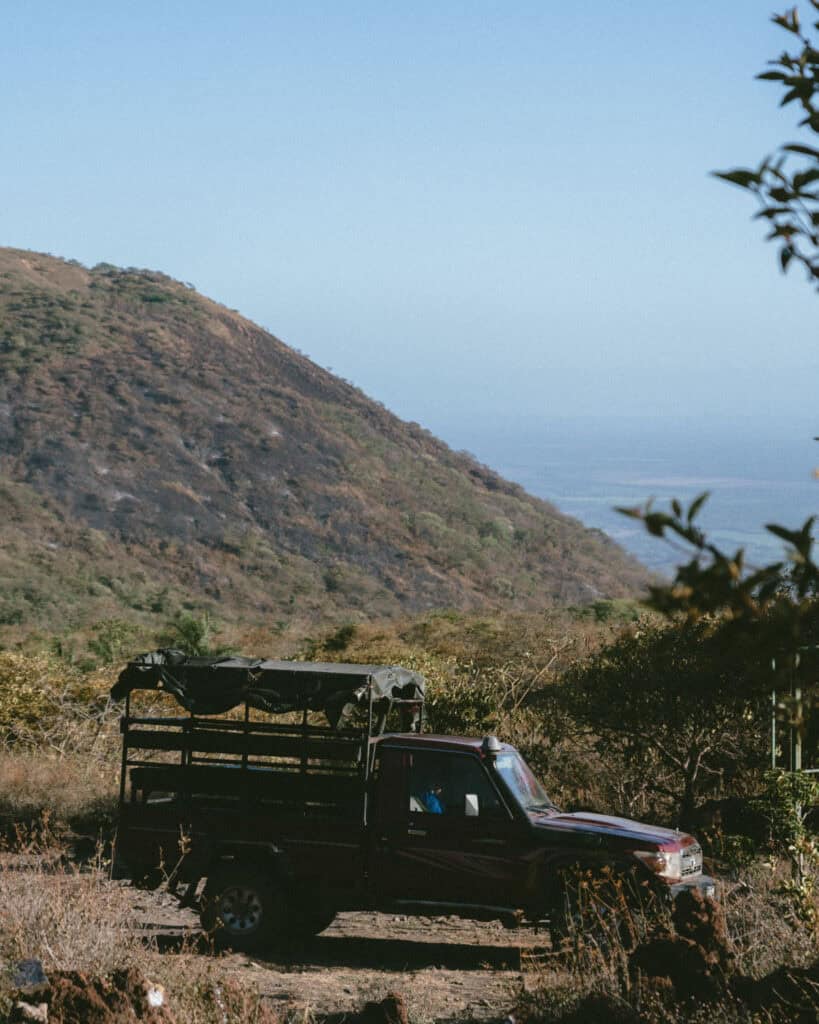
- 🚐 Tours: a lot of experiences in Nicaragua (mostly the volcano-related ones) are best done with a tour. Tour companies nearly always provide transport from the nearest major city either in a van, or a purpose-built 4×4 vehicle or truck.
- 🚕 Taxi and rideshare: there is no Uber in Nicaragua, but InDrive is increasingly popular and there is a new option called Ray. I’m not sure if they work all over the country or just in Managua, but something to download before you arrive. Taxis are available in all cities and towns. In some destinations, trips within a city have a fixed cost (e.g. in Granada, we paid 50 Cordoba per person for any trip within the city, in Big Corn Island it was 20 Cordoba per person for any trip around the island excluding the port/airport). It’s not uncommon that taxis are ‘colectivo’ aka shared, so don’t be surprised if your driver stops to pick up other passengers along the way.
- 🚗 Rental car: renting a car isn’t that common in Nicaragua, but I don’t see why it couldn’t work. The majority of rentals are in Managua, which is convenient if you are flying in. Roads are in decent condition, with the exception of the Pacific Coast around San Juan del Sur and Popoyo. Most roads are unpaved and pretty bumpy, so a 4×4 can come in handy (although this is changing fast as the new Carratera Costanera aka Coastal Highway is being built). There are a handful of car rentals in San Juan del Sur, that specifically rent 4x4s made for the area, so that’s an option too if you don’t want or need a car for your entire trip. You can book your car onto one of the car ferries to get to Ometepe too. Browse for rental cars in Nicaragua.
- 🚤 Boat: there are a few places around Nicaragua where you’ll use boat transport. Firstly to get to Isla de Ometepe, you’ll need to take a ferry from San Jorge on the mainland to Moyogalpa on the island. You can take a very long, uncomfortable ferry from the mainland (Bluefields) to Big Corn Island, but even if you cut out that journey with a flight, you’ll still need to use a boat to travel between Big Corn and Little Corn.


Nicaragua travel routes
I think a month is the perfect amount of time to see the highlights of Nicaragua without rushing. If you’ve got less time, you can drop off some time at the beach (choose just one Pacific surf town, or possibly choose between the Pacific vs Caribbean Coast).
The majority of popular tourist destinations in Nicaragua are concentrated along the west coast, making it pretty easy to plan a travel route. The main exception to this is the Corn Islands, but you can fly there and back from Managua.
If you’re travelling through Nicaragua as part of a broader trip through Central America and will be crossing land borders, you can create a linear route throughout the country with no backtracking. We entered Nicaragua from El Salvador (via Honduras) and departed to Costa Rica, so it was a (mostly) straight route through the country.
If you’re flying in/out of Managua, you can’t really create a nice loop, but the distances are short so it’s not too much backtracking.
I’ve got an in-depth Nicaragua itinerary post with more details, but this is my recommended order (or reverse).
1 month Nicaragua itinerary
- 🥾 Leon: 5 nights
- 🌽 Corn Islands: 8 nights
- 💒 Granada: 4 nights
- 🌺 Laguna de Apoyo: 2 nights
- 🏄🏽♀️ Popoyo: 4 nights
- 🌋 Ometepe: 5 nights
- 🌞 Playa Maderas: 3 nights
🗺️ Copy our exact Nicaragua itinerary

Accommodation in Nicaragua
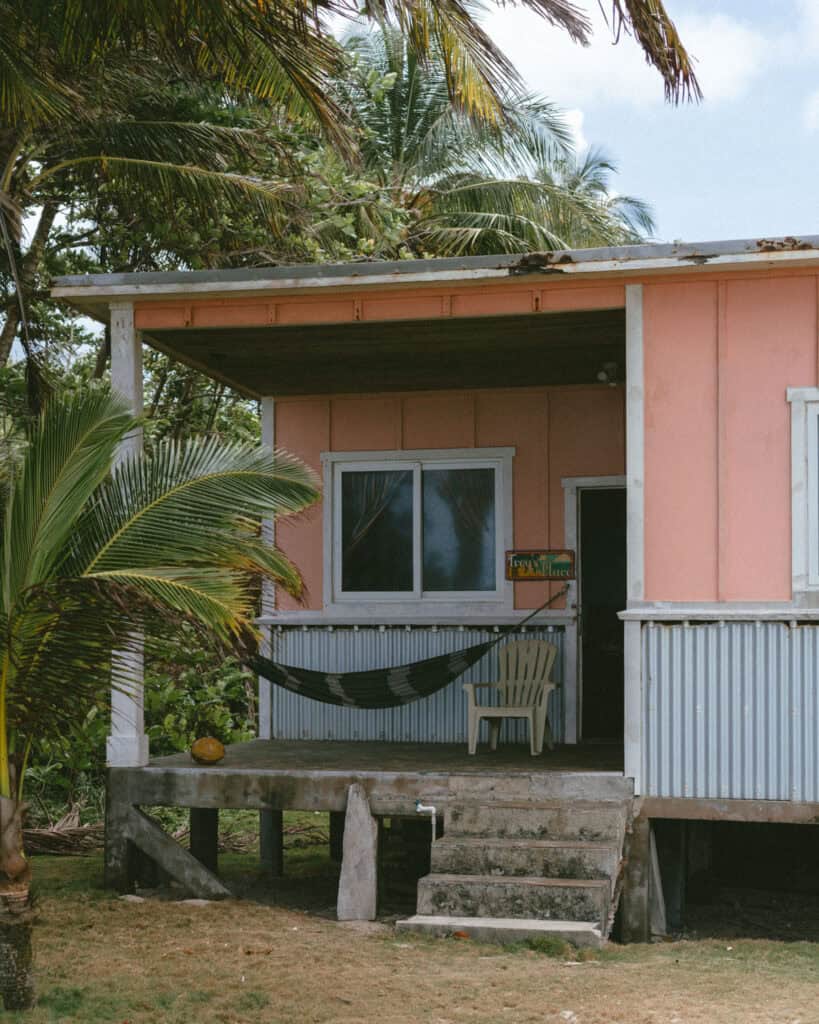
Nicaragua has all kinds of accommodations available for all budgets. We found the cities and beaches slightly more expensive than inland destinations like accommodation in Ometepe.
Backpacking in Nicaragua is very popular so there is an abundance of hostels all over the country. The next step up would be a hospedaje, which is a basic, family-run hotel. They don’t have dorm beds, but some private rooms may share bathrooms.
We found self-contained apartment/guesthouse style options readily available and affordable all over the country, with kitchen amenities.
Surf camps are also very popular on the Pacific Coast, with packages including accommodation, some meals, lessons and board rental.
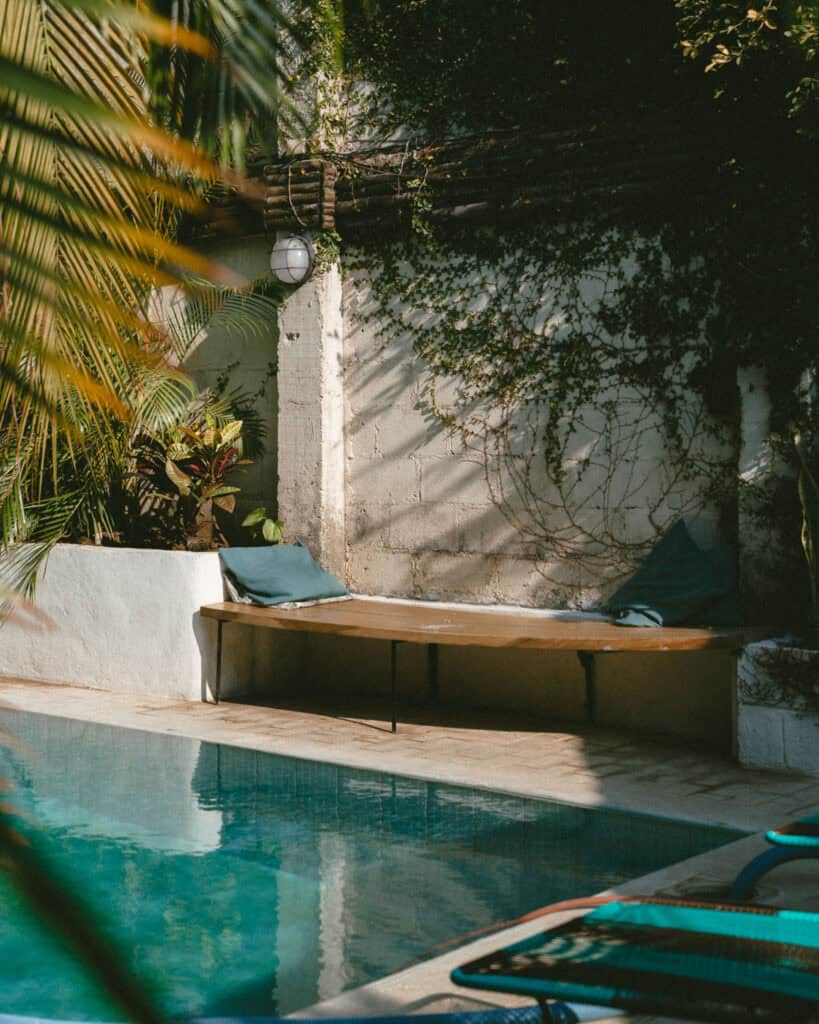
Overall I’d say the country does not have as many design-forward, aesthetic hostels and hotels as neighbouring countries. It’s more a rustic, hippy-eco vibe. But this is changing and there are some beautiful options springing up along the Pacific Coast.
🏩 Top boutique options in Nicaragua (at mid-range and high-end prices):
- Hotel La Perla, Leon
- Aaki Hotel, Las Peñitas
- Yemaya Reefs, Little Corn Island
- Isleta El Espino, Granada (Isletas de Granada)
- El Respiro Ecolodge, Granada (Mombacho Volcano)
- Casa Marimba, Laguna de Apoyo
- Rancho Santana, Popoyo
- Hide & Seek Resort, Popoyo
- Totoco Eco Resort, Ometepe
- Xalli Beach Hotel, Ometepe
- Hostel Clandestino, Playa Maderas
- TreeCasa, San Juan del Sur
🛏️ Top hostels in Nicaragua:
- Poco a Poco Hostel, Leon
- Mano a Mano Eco Hostel, Las Peñitas
- Sunrise Paradise aka Carlito’s Place, Little Corn Island
- Oasis Hostel, Granada
- Treehouse Hostel, Granada (Mombacho Volcano)
- Hostel Paradiso, Laguna de Apoyo
- Nicawaves, Popoyo
- La Urraca Loca, Ometepe
- El Pital Chocolate Paradise, Ometepe
- Buena Vista Surf Club, Playa Maderas
- Casa de Olas, San Juan del Sur

Money in Nicaragua
The official currency of Nicaragua is the Nicaraguan Córdoba (NIO, also C$).
1 Córdoba is made up of 100 centavos. There are 10, 20, 50, 100, and 500 Córdoba bills, and coins come in 1 and 5 Córdoba and 50 centavos.
$1 USD is (on average) 36 Córdoba.
Untorn and unmarked US Dollar bills are also accepted legal tender. USD is used widely, and can also be dispensed from ATMs.
We often saw tours, tourist transport, accommodation and even menus priced in US Dollars. It varied a lot between destinations, and some places (Granada, Corn Islands) operated almost entirely on USD, whereas other areas (Leon, Ometepe) were primarily priced in Córdoba.
It’s tricky to navigate two currencies and it can be confusing to work out which is the most cost effective way to pay. My general rule is that you should pay in the currency the item is listed in, if possible.
If something is listed in USD and you want to pay in Córdoba or vice versa, just check carefully what rate the vendor is applying to the conversion. Sometimes they use a pretty low rate.
ATMs 🏧
ATMs are widely available in big cities, but are rarely in small towns.
Leon, Granada and San Juan del Sur have multiple ATMs, but the Corn Islands, Popoyo, Ometepe, Laguna de Apoyo and Playa Maderas either don’t have any ATMs, or have one that is frequently out of order or inconveniently located.
You should ALWAYS take the chance to withdraw cash when you’re near an ATM and always think carefully about your next destination and when your next chance will be to withdraw money.
Most ATMs will dispense Córdoba and US Dollars. It’s a good idea to keep a stash of both currencies.
Some ATMs in Nicaragua will only accept Visa, others only Mastercard. We didn’t have any troubles with our Visa card, but we have read some people battle temperamental ATMs!
BAC and Banpro are the most common banks and ATMs across the country.
We weren’t able to find an ATM that didn’t charge fees, and we were always charged the equivalent of $6 USD (either 220 Córdoba if we were withdrawing local currency, or $6 if we withdrew USD).
Apparently, some people have luck getting free withdrawals from Banco Lafise or ATMs in the BancaRed network which include BDF, Avanz and Ficohsa.
CREDIT CARDS 💳
Don’t assume you can pay with credit card.
Ironically, the towns that have ATMs are also the most likely place you can pay by card without any fees.
The more remote you go, the less likely you will be able to pay by card, or if you can, it will have a hefty 5%+ fee attached.
Cash is king in Nicaragua.

Tipping in Nicaragua
Tipping culture is not as engrained in Nicaraguan culture as it is in places like the US, but it is appreciated in certain contexts.
Most restaurants (unless they are very informal/street food) will usually add a 10% service charge to your bill, this is sufficient. If it’s not included, add it yourself.
If you’re staying in a nicer hotel with porters and daily room service, 20 – 50 Córdoba is a kind gesture.
You should also give a similar amount to anyone who assists you e.g. at a gas station, supermarket, parking attendant or with your luggage.
If you have a great experience with a tour guide, it’s nice to show your appreciation with a tip but it’s not expected and unlikely you will be asked to tip.
Costs of travelling in Nicaragua
Nicaragua was in the mid-lower budget range compared to other countries in Central America. It was on par with Guatemala, El Salvador and Honduras.
We had heard over and over again how cheap Nicaragua was. We didn’t find it that cheap, but it’s definitely affordable and much cheaper than Panama, Costa Rica and Belize.
As Nicaragua grows in popularity, prices are increasing. It’s still very affordable to go backpacking in Nicaragua, but we found costs typical of the region, not exceptionally cheaper.
Our average budget was $70 USD per person, per day, for mid-range travel.
I’ve got a post about our Nicaragua travel cost, with more detailed info about what we spent and what things cost.
Some typical costs of travel in Nicaragua:
- 🏩 Private mid-range accommodation (comfortable but basic): $50 – $70 per night
- 🏩 Boutique hotels: $120 + per night
- 🛌 Dorm bed in a popular hostel: $11 – $18 per night
- 🍗 Loaded plate with BBQ meat, gallo pinto, sides etc. from a fritanga: 250 NIO ($7 USD)
- 🍜 International main meal (pasta, curry, cafe meal): 320 NIO ($9 USD)
- ☕️ Barista iced coffee: 100 NIO ($2.8 USD)
- 🍻 Small can of local Toña beer: 50 NIO ($1.35 USD)
- 🌋 Volcano boarding down Volcan Cerro Negro: $35 USD (1,280 NIO)
- 🛶 Sunset kayaking tour in Las Isletas de Granada: $30 USD (1,103 NIO)
- 🤿 Single tank scuba dive on Little Corn Island: $45 USD (1,655 NIO)
- 🏄🏼 24-hour surfboard rental: 540 NIO ($15 USD)
- 💧 Entry to Ojo de Agua in Ometepe: 367 NIO ($10 USD – $5 consumable)
- ⛪️ Access to the rooftop of the Leon Cathedral: 145 NIO ($4 USD)
- 🚌 Local bus from Leon – Managua – Granada: 184 NIO ($5 USD)
- ⛴️ Ferry from San Jorge – Ometepe: 50 NIO ($1.3 USD)
💵 Find out exactly what we spent in Nicaragua


Phones and SIM cards in Nicaragua
Claro and Tigo are the most popular phone providers in Nicaragua. Both have pretty decent service around the country, but expect slower service in rural areas.
The exception is if you are going to the Corn Islands, where Claro is much better than Tigo.
They both offer great pre-paid plans with data and unlimited social media usage. The longest plan is 15 days, with 8 – 9 GB of data (plus the unlimited social media) for 220 NIO / $6 USD.
Going to a proper Claro or a Tigo store is the easiest place to buy and set up a SIM card. Bring your passport in case but they don’t usually ask in Nicaragua. There are stores in Leon, Granada and San Juan del Sur. I believe there are some kiosks in the airport which is convenient but the prices are higher.
However, it is also possible to buy one from a generic phone store or tienda. You just have to use your best manners to get them to help you activate the SIM and get on the correct plan.
If you’re just visiting Nicaragua for a short trip and can’t be bothered dealing with a local SIM, you can easily organise an eSIM online. I recommend Nomad as their data inclusions are much higher than other companies and they use the Claro network.
If you’ve come from another country in the region with an active Tigo or Claro SIM, it should keep working in Nicaragua. This applies to Guatemala, El Salvador and Honduras from what I understand. Belize, Costa Rica and Panama have quite different phone plans with different companies.
However, it’s generally not possible to top up the SIM outside the country you originally bought it from (we weren’t able to, at least), so you need to do a big recharge before leaving.
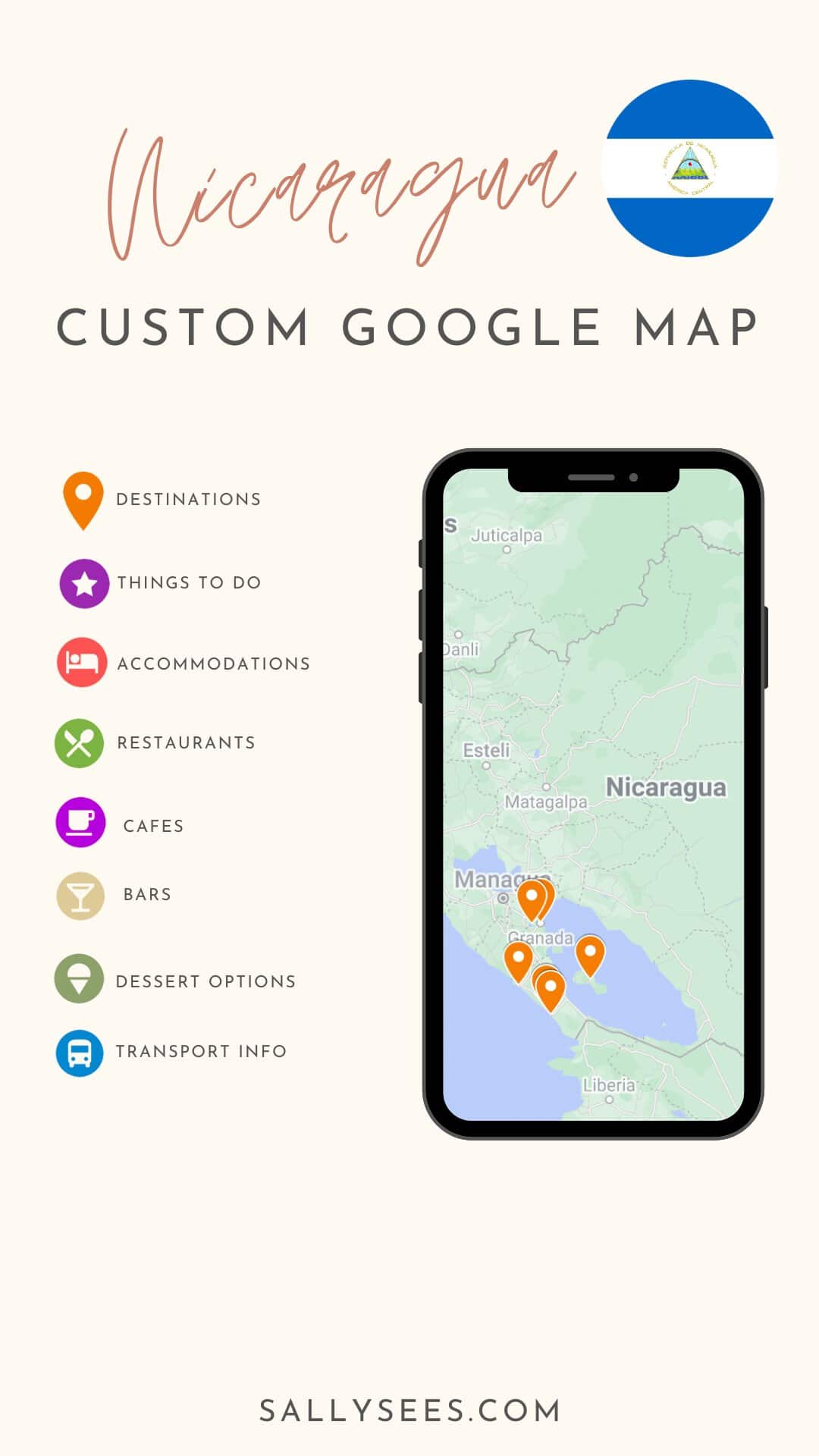
GET OUR NICARAGUA GOOGLE MAP
Save hours with our FREE custom Nicaragua Google Map!
With almost 500 locations pinned, giving you our best tips and recommendations in your pocket.

Food and drink to try in Nicaragua
Cuisine in Nicaragua is typical Central American food, centring around readily available crops like corn, beans, plantains and yucca. It’s simple, hearty and (mostly) affordable food.
The cuisine on the Caribbean Coast and the Corn Islands is quite different and more reminscent of a Caribbean nation, with lots of seafood, coconut milk and more rich spices and flavours.
The most common type of restaurant is a comedor, aka a small, family-run local restaurant with typical Nica cuisine.
Some of the most popular dishes and drinks in Nicaraguan cuisine that you should try are:
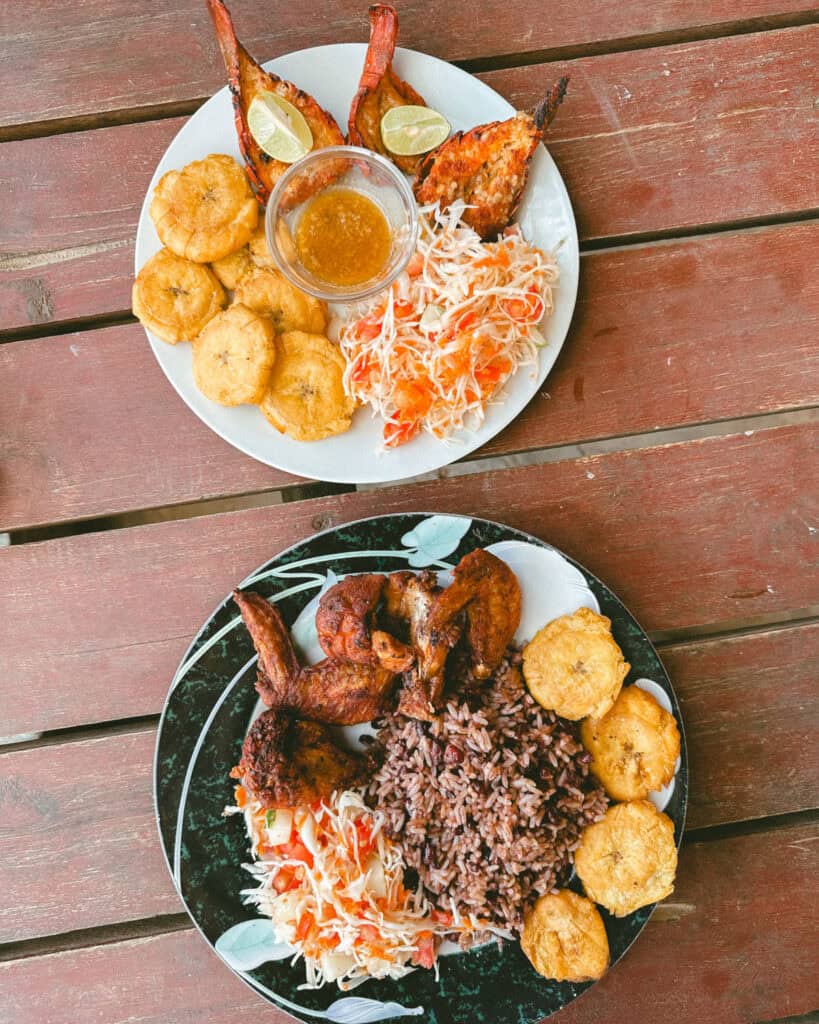
- 🍚 Gallo pinto: aka rice and beans, this is Nicaraguan’s national dish but the origins are hotly contested with neighbouring Costa Rica! A staple of virtually all meals, it’s essentially fried rice and red or black beans, with a combination of different herbs and spices, depending on the chef. On the Caribbean Coast it’s made with coconut milk.
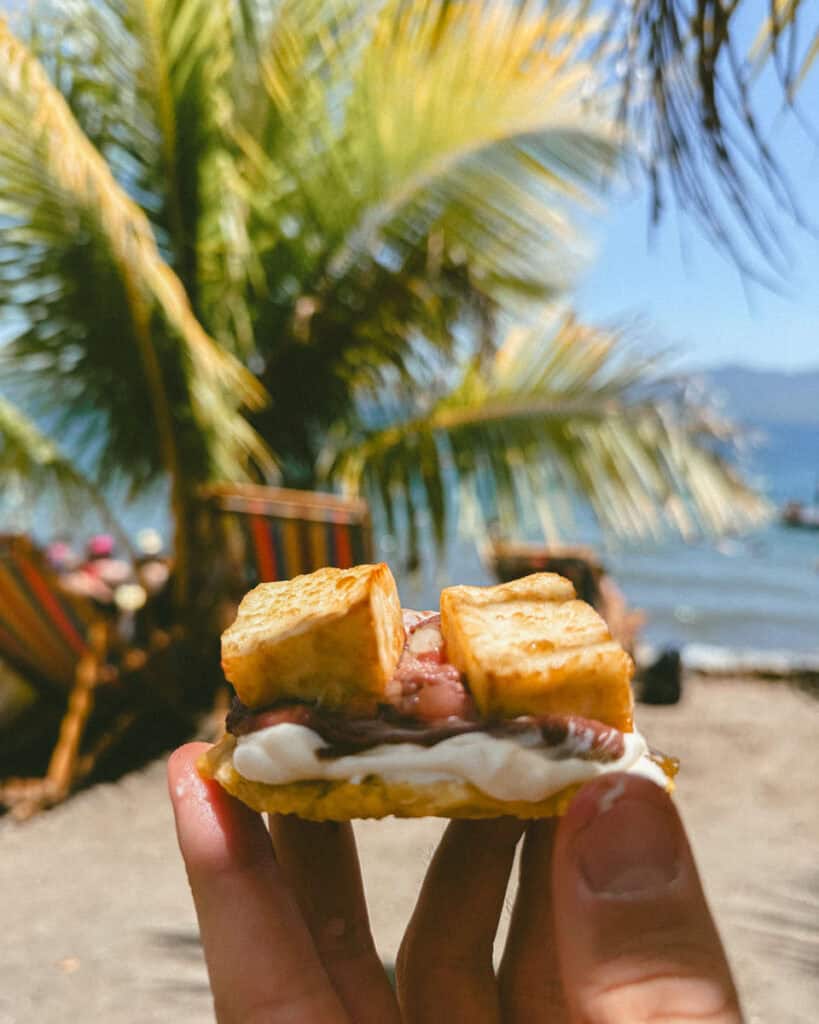
- 🍌 Tostones: a crunchy, tasty bite of deliciousness, tostones are smashed green plantain that are deep fried until crispy. They’re often served plain as a side to a main dish, or you can order them as a snack loaded with refried beans and cheese. Yum!
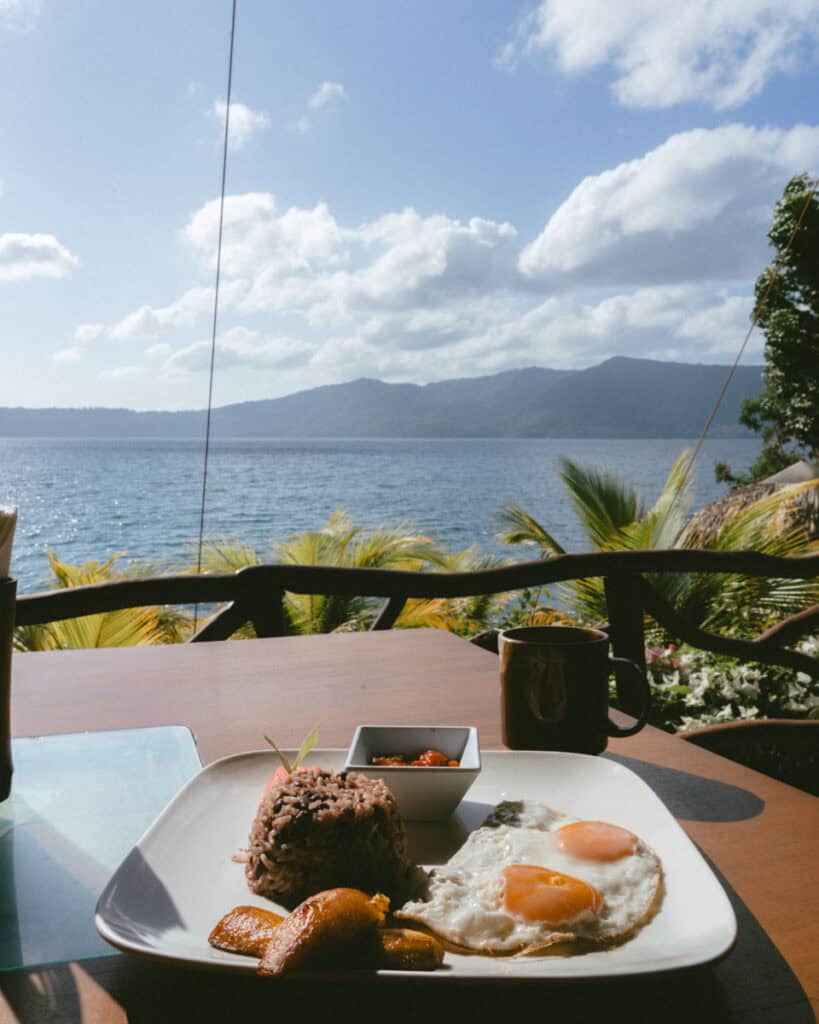
- 🍳 Desayuno tipico: my favourite Central American dish that is just as good in Nicaragua, a typical breakfast plate. Usually consisting of eggs, gallo pinto, sweet plantains, salty cheese and tortillas, it’s the perfect fuel for the day.
- 🍗 Pollo jalapeño: this wasn’t a dish I had read about before coming to Nicaragua, but we saw it often on menus and it was always delicious! It’s a simple chicken breast (pechuga) doused in a creamy jalapeño sauce, with rice and other sides.
- 🫔 Nacatamal: the Nicaraguan version of tamales, made with the typical masa corn dough, stuffed with meat and vegetables and plenty of tasty spices before steaming in a banana leaf. They’re time consuming to make so they’re more of a festive or weekend treat, but you will likely find them somewhere around the country!
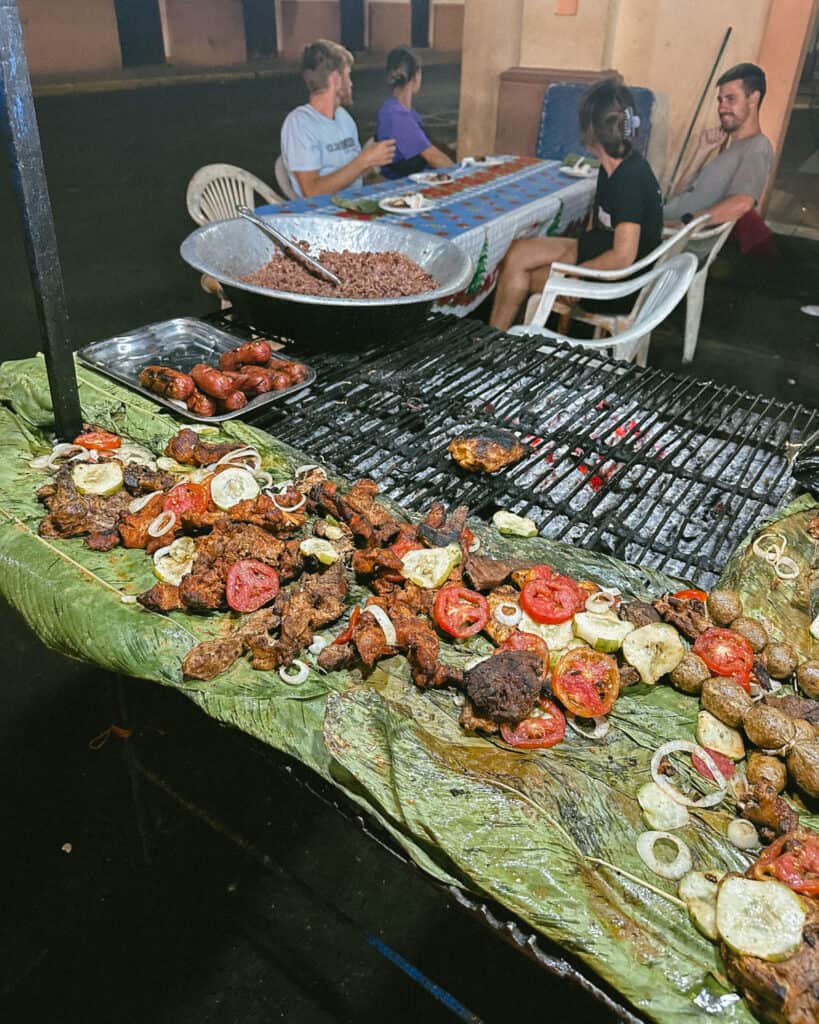
- 🥩 Fritanga: more of a style of meal rather than a specific food, fritangas are street-side BBQ stalls. They’re most common in Leon but go by other names around the country. Usually set up in the evening, you’ll smell the smoking coals before you see it! You choose which BBQ meat you’d like, most commonly beef or pork, and load up a plate with sides like fried cheese, plantains, salads, gallo pinto etc.
- 🍠 Vigorón: a very common street food combining some of Nicaragua’s most common ingredients. It starts with a banana leaf for a plate, loaded with chicharrones aka deep fried pork rinds, crunchy yucca and a slaw-like cabbage salad.
- 🍲 Rondon: if you make your way to the Nicaraguan Caribbean you must try rondon. Also called ‘rundown’ it’s a creamy, coconut based seafood soup. You’ll usually need to pre-order this hours or day in advance as it takes a while to prepare.
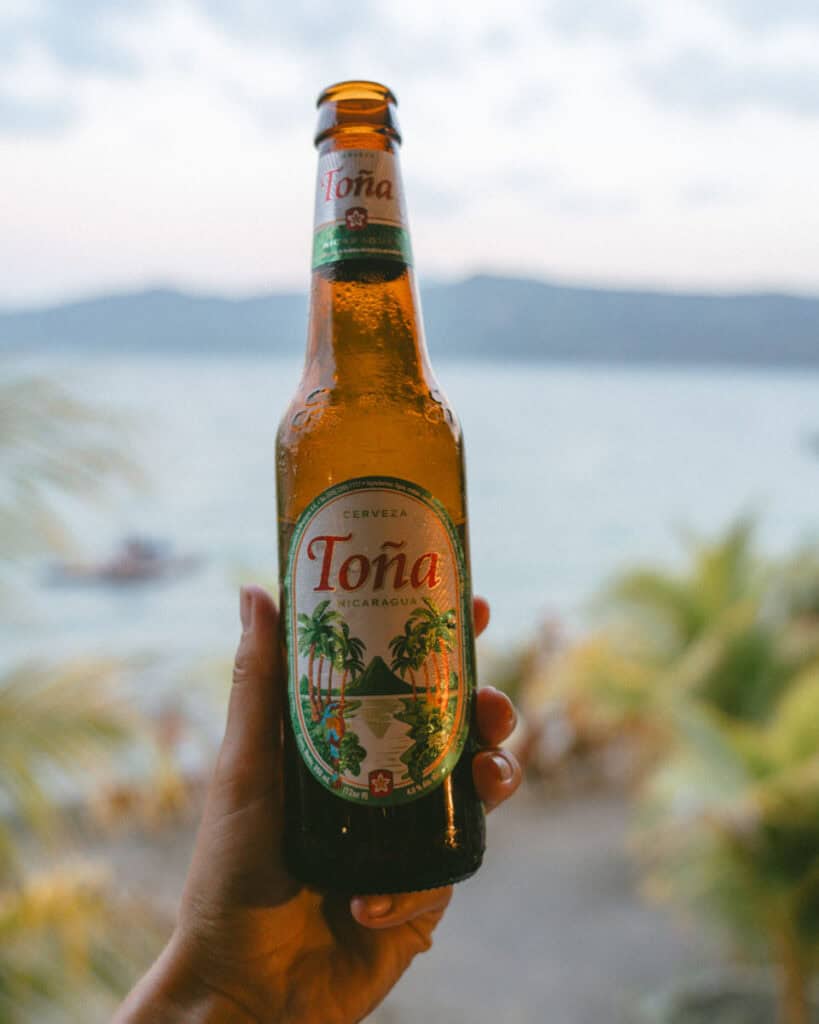
- 🍻 Toña: Nicaragua’s most popular beer is Toña. It’s a light, refreshing lager that is perfect on a hot, sweaty day. They’re available everywhere, dirt cheap and go down a little too easily!
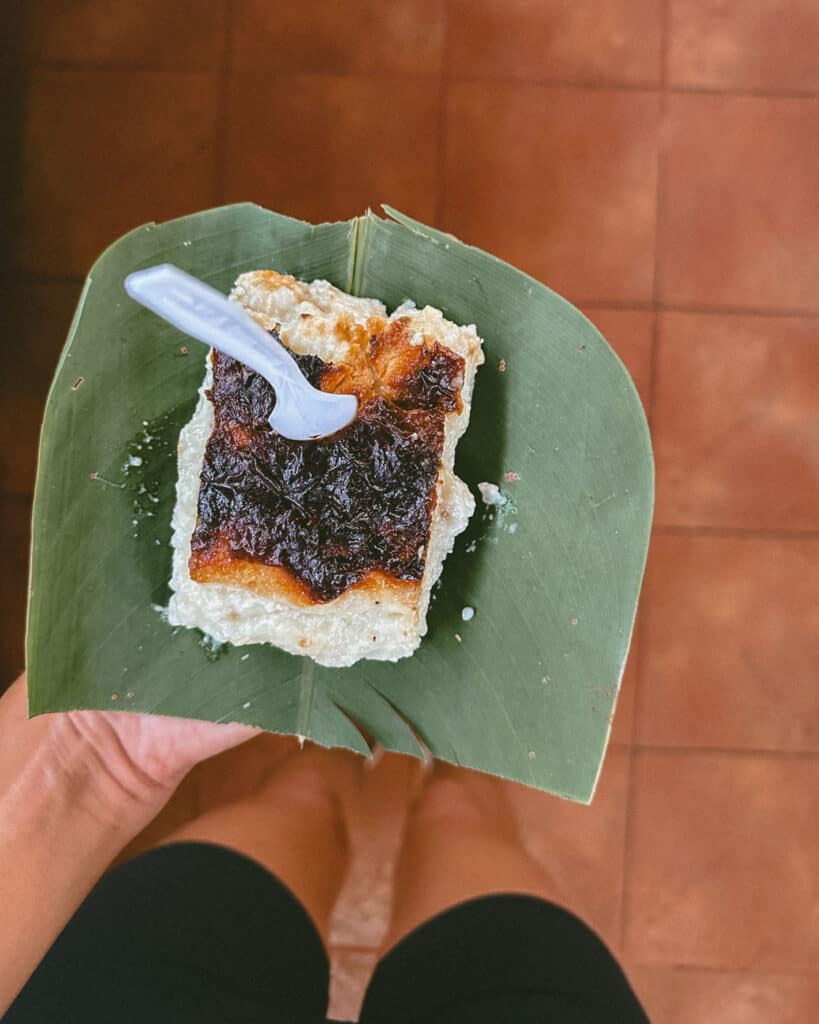
- 🍮 Sopa de leche: I only found this in a market in Leon and didn’t see it again, but it was so tasty I have to recommend it! It’s a flan-style sweet treat served on a banana leaf.
Nicaragua travel guide: Final thoughts
I hope this Nicaragua travel guide has inspired and equipped you for your trip!
Travelling in Nicaragua felt like hard work at times, with all the usual challenges and frustrations that come with travelling in a lesser developed country.
For the most part, the frustrations were totally worth it. I’ll never forget the sunrise we saw from the top of Telica Volcano, it’s crater billowing out smoke behind us, diving into the crystal clear waters of Little Corn Island or crusing around the dusty rural roads on Ometepe Island with a huge volcano looming in front of us.
Nicaragua is a troubled, intense but beautiful and diverse country with so much to offer. Whether you’re backpacking in Nicaragua or travelling on a slightly higher budget, there are so many adventures to be had here.
Don’t forget to check out our other Nicaragua articles, for more detailed guides to the best destinations around the country. Drop any other questions about Nicaragua in the comments!
MORE NICARAGUA POSTS
- 1 Month Nicaragua Itinerary: Experience the Best of Nica
- Our Nicaragua Travel Cost: Is Nicaragua Cheap?
- No Drones in Nicaragua: Our Solution

The Comments
Jenny
I am so glad I clicked on your page today in search of info on Nicaragua travel and specifically the Corn Islands! You answered my questions and so.e I hadn’t thought to ask! Thank you!
Sally Rodrick
JennyOh I am so happy to hear this Jenny! Sounds like I’ve done my job! Enjoy the Corn Islands, they are HEAVEN! Sally x