This article contains affiliate links that may earn me a small commission at no extra cost to you. As an Amazon Associate, I earn from qualifying purchases. For more information, see our affiliate disclaimer.
The province of Salta in Northwest Argentina was a major highlight of our two months in the country.
Red rock formations as big as buildings, gigantic cacti by the thousands, high altitude wineries bottling crisp torrontes and the tastiest cuisine in all of Argentina, we absolutely adored Salta.
The best way to see the highlights of Salta? A road trip.
Not only is there a collection of gorgeous pueblos to explore, but the journey really is the destination here, and there are three particularly iconic drives between destinations, highlighting the varied landscape in the province.
Our 7 – 10 day Salta road trip is a loop starting and ending in the city of Salta. Taking in the gorgeous drive to Cafayate through the ochre-hued Quebrada de las Conchas, on to the charming tiny town of Cachi via the jagged Quebrada de las Flechas and back to Salta City, through Parque Nacional Los Cardones, with ginormous cacti as far as the eye can see.
This was genuinely some of the most breathtaking scenery we’ve ever seen, and you should not miss this epic road trip in Argentina!
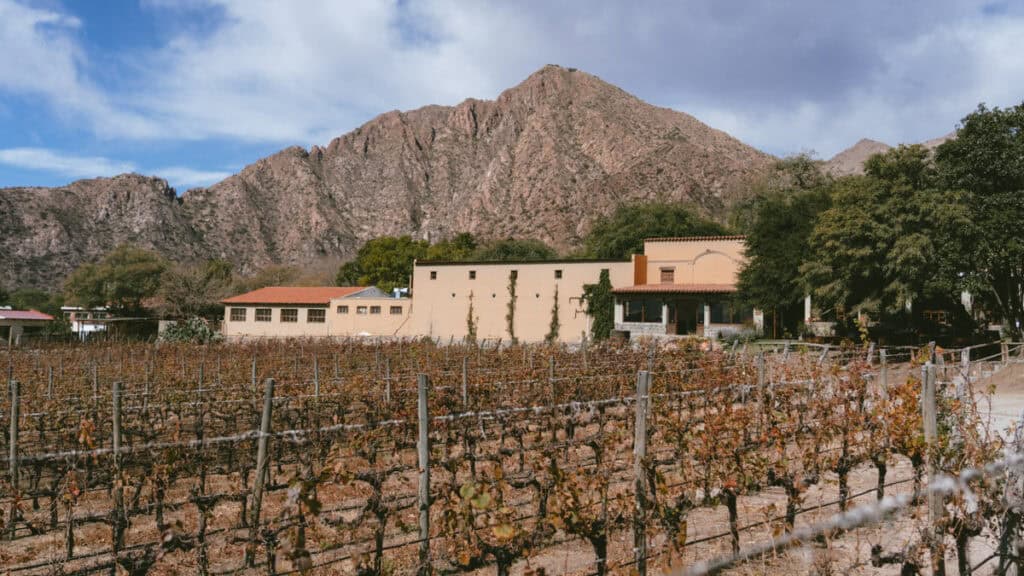
Planning a Salta road trip
- 🚙 Why road trip Salta: the province of Salta is made for a road trip! There is a collection of gorgeous towns scattered around the area, and they are connected by a series of epically beautiful roads with stunning scenery.
Can’t I take the bus or join a tour, you may ask? Yes to both of the above; however, NOTHING beats having your own car and exploring on your own terms. The drives are so beautiful, you’ll want the freedom to pull over when you like to soak up the views and snap photos.
There are also no buses between Cachi and Cafayate, so to visit both towns, you need to backtrack via Salta, which wastes quite a lot of time and skips one beautiful drive.
Plus, when you arrive in the smaller towns around Salta, you really need a car to see the best of them. While the centres are small and walkable, wineries, hikes and other attractions are spread further out, and there isn’t a lot (read: any) public transport.
Given how affordable car rentals are here (we paid <$50 USD a day), it’s a no-brainer to rent a car and do a Salta road trip, especially if you are travelling in a group of two or more. Plus, you don’t need a car for the Salta City portion of this Salta road trip, so you really only need to rent a vehicle for ~5 – 7 days.
- 🔄 Salta loop: our Salta road trip itinerary is a looping itinerary starting and ending in Salta City. The circular route means no backtracking, you get to see new scenery and drive new routes the whole time. This also makes it easy to organise a rental as you can pick up and drop off in the same city without any one-way fees.
Salta City is very easily accessible from other parts of Argentina by air or bus, so it’s a good launchpad for arriving in the province and easy to arrange onward travel from when you’re finished.
- 📅 How many days: this Salta road trip can really be as long or short as you like. There are three destinations to visit, and three full days of driving between them. We like to travel at a slow pace, having plenty of time to explore each destination properly and not be in the car every single day. We stayed 3 nights in each – Salta, Cafayate, and Cachi.
With hindsight, we could have dropped one night in Salta and added it to Cafayate, which had a lot to see and do (ahem, a lot of wineries…). Despite there not being a ton to do in Cachi, I could have stayed there forever as I just adored the town and it was a lovely place to relax, so I wouldn’t hesitate to add another night there if you’re not in a hurry.
With 7 days, I’d suggest: 2 nights in Salta City, 3 nights in Cafayate and 2 nights in Cachi. With 10 days, I’d suggest: 3 nights in Salta City, 4 nights in Cafayate and 3 nights in Cachi. Adapt how you please depending on the time you’ve got!
- 🚛 Do I need a 4×4: generally no, but it depends on when you’re travelling. Most of the driving is on paved, well-made roads, but the journey from Cafayate to Cachi is entirely unpaved. In the drier, winter months (April – November), you shouldn’t have an issue in a standard car, you just have to drive slowly. We rented a little Chevy sedan and were totally fine in June.
But in the wetter summer months, the rivers swell and often cover the road and can be dangerous to cross without high clearance. The rain also washes out the gravel and can create deep ruts. If you’re planning on visiting over the summer, it’s worth checking in with your accommodations and car rental company to find out the current condition of the road.
- 🌈 What about Jujuy: the neighbouring province of Jujuy is often confused with Salta. It’s an incredible region that is DEFINITELY worth a visit while you’re in Northwest Argentina. However, I don’t think it should be part of your Salta road trip.
It is technically possible to drive from Cachi to Jujuy, but the road is in very poor and dangerous condition. Plus, if you take this route, then you will skip one leg of the loop from Cachi to Salta, which, in my opinion, is the nicest drive on this road trip.
Instead, start and finish your Salta road trip in Salta City, then either continue on to Jujuy in the same vehicle for a Jujuy road trip, or take a bus to the city of San Salvador de Jujuy and rent a vehicle there. This cuts out some extra driving between cities, plus San Salvador is equally well-connected via bus and air, so there’s no need to go all the way back to Salta to depart the region.
Jujuy is also more public-transport friendly, so if there was one part of Northwest Argentina you wanted to visit without a vehicle, make it Jujuy, not Salta.
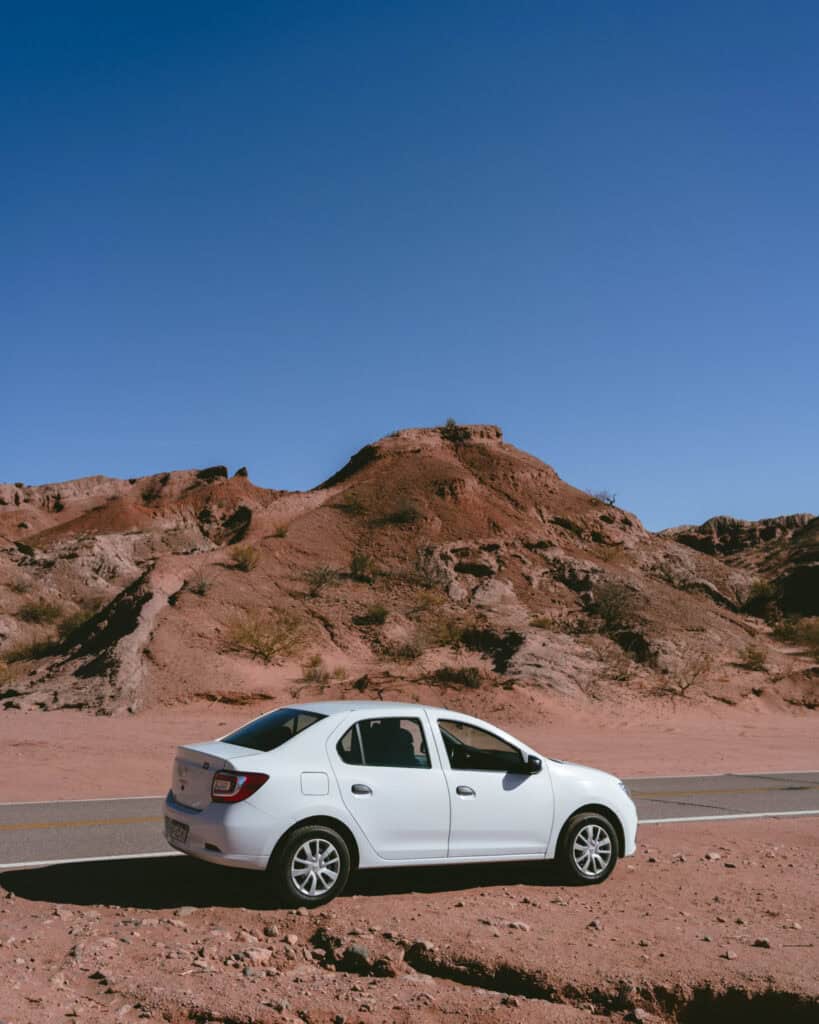
Renting a car in Salta
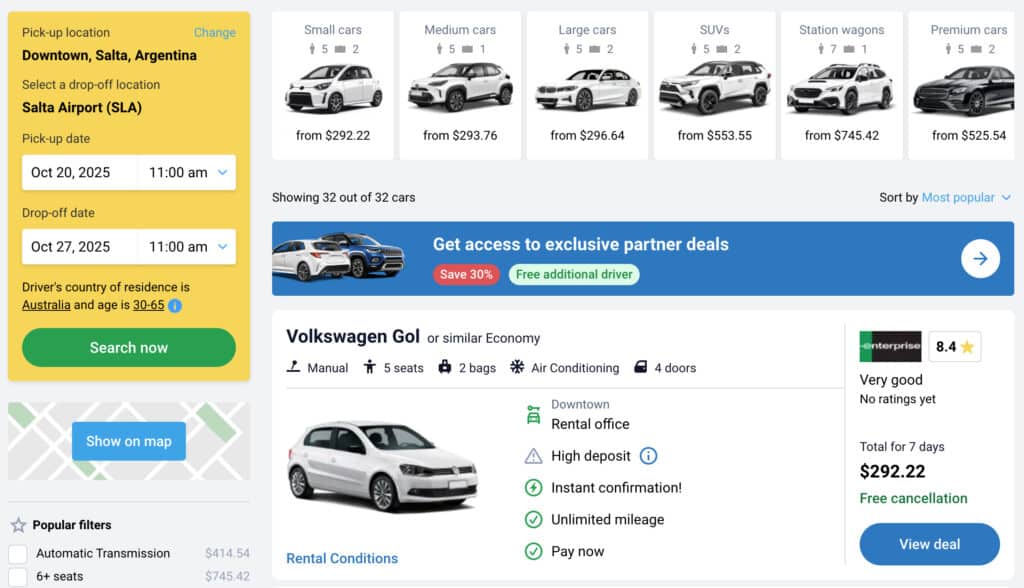
We rented a car at least five times during our two months in Argentina, and we always booked via Discover Cars.
They’re an online aggregator that compares prices from various local agencies. It’s so straightforward and easy to use, and we always found the best prices on their website.
Not only can you easily find the best price in one place, you can also look at the rental conditions, insurance details and payment information in ENGLISH, which is much easier than trying to translate all the rental jargon from Spanish.
Some rental agencies in Salta won’t allow you to drive on Ruta 40 from Cafayate to Cachi. It was really easy to check these conditions on Discover Cars and find an agency that allowed this.
They have rental pick-up/drop-off locations from the airport in Salta and also downtown. We were able to coordinate to pick up our rental from a downtown agency when leaving the city and return it directly at the airport before our flight to Buenos Aires for no extra cost. Depending on your plans, you might do the opposite.
This was really easy to coordinate and saved us from going back into the city unnecessarily to drop the car off or going to the airport to collect one when we were already in the city.
🚗 Book your rental car in Salta with Discover Cars
Our Salta road trip itinerary
Stop 1: Salta City
🌛 How many nights to spend: 2 – 3 nights
We arrived in Salta City from neighbouring Jujuy Province late in the evening, so although this road trip is a loop, and you could technically do the city at the start or the end (or split your time and do both), we opted to explore the city straight off the bat.
You don’t need a car for your time in the city, so don’t book it straight away. Wait until the day you’re heading for Cafayate.
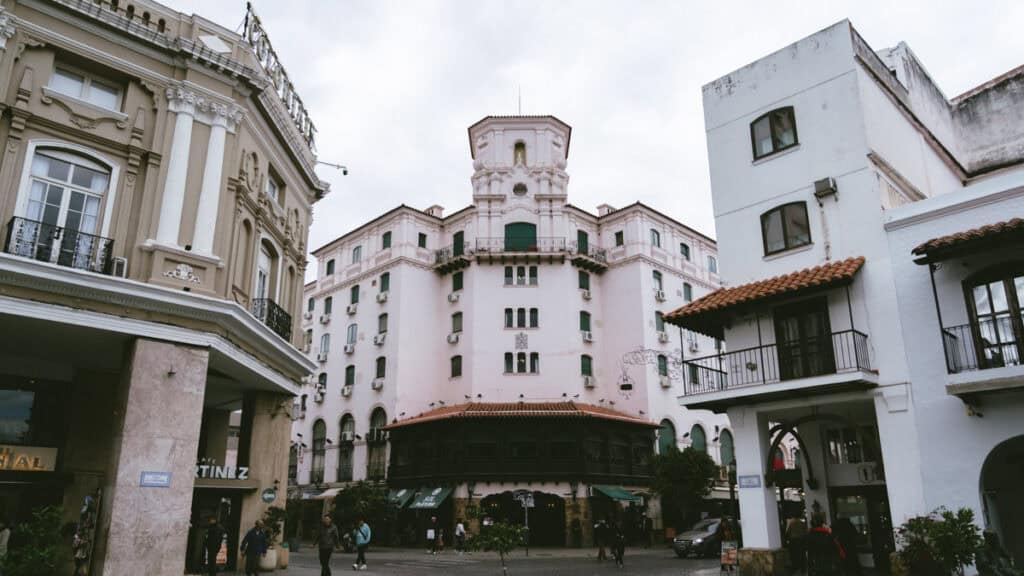
Salta city is the capital of Salta province. Often called Salta la Linda or Salta the Beautiful, it’s a very cute and charming little city. It’s small enough to see the highlights in a day or two, but big enough to have some great restaurants, nice architecture and plenty going on.
We found the city (and the entire province of Salta) quite a lot cheaper than other areas of Argentina, so we really enjoyed splurging a little more than we had in Patagonia, where we could barely afford to eat out.
Salta is still a city at the end of the day, and you’re really here to see the stunning nature in the surrounding province, so enjoy a day or two wandering around the centro, admiring the buildings, seeing some live music at a peña and eating your weight in empanadas salteñas before the real fun begins!
Stock up on cash at local cambios and begin adjusting to the altitude. Salta City is only 1,187 m, but you’re about to get a lot higher than that!
Top things to do in Salta City
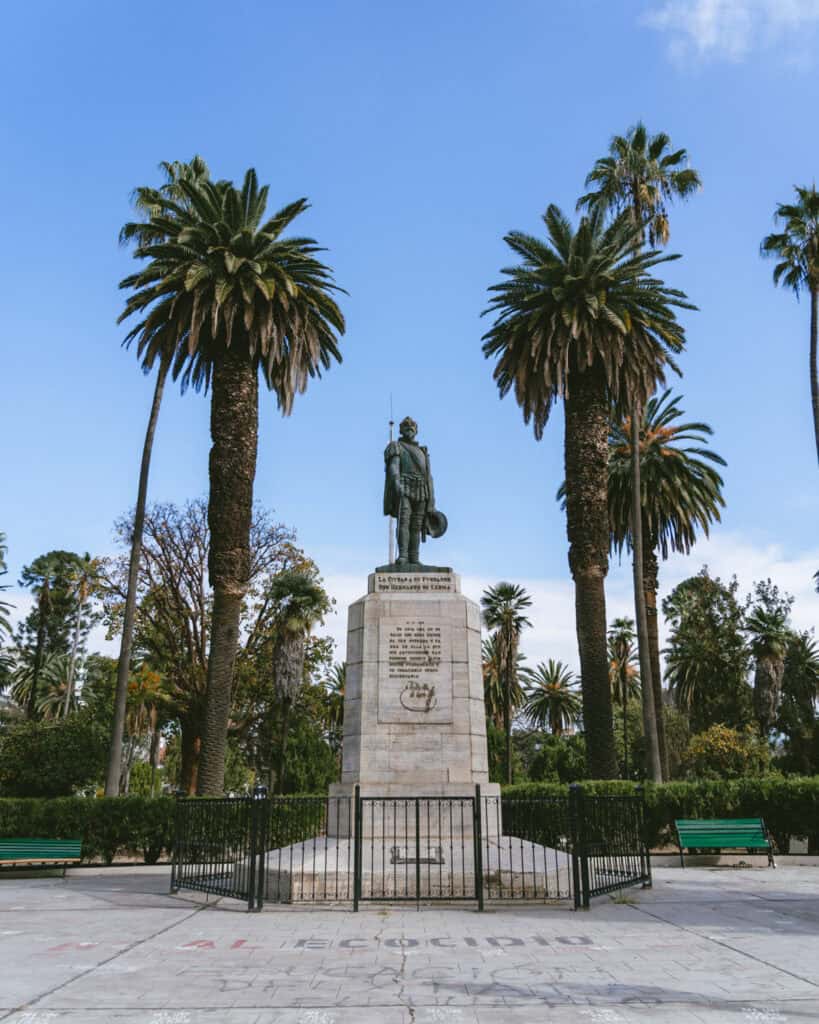
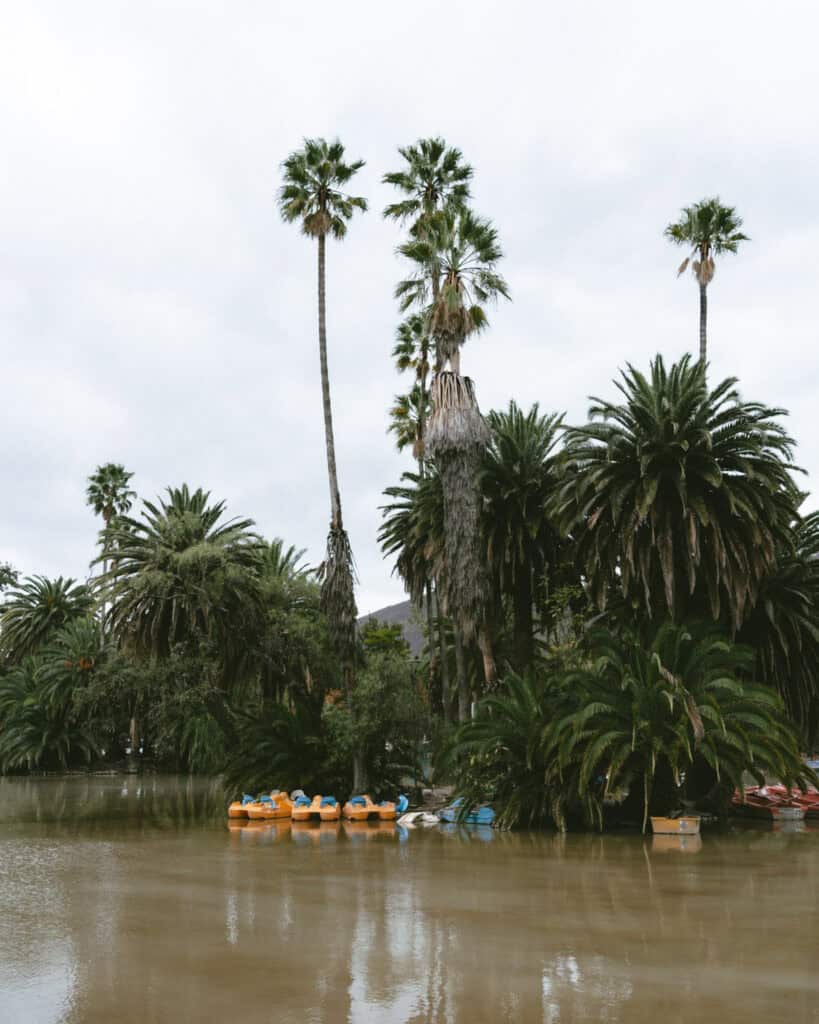
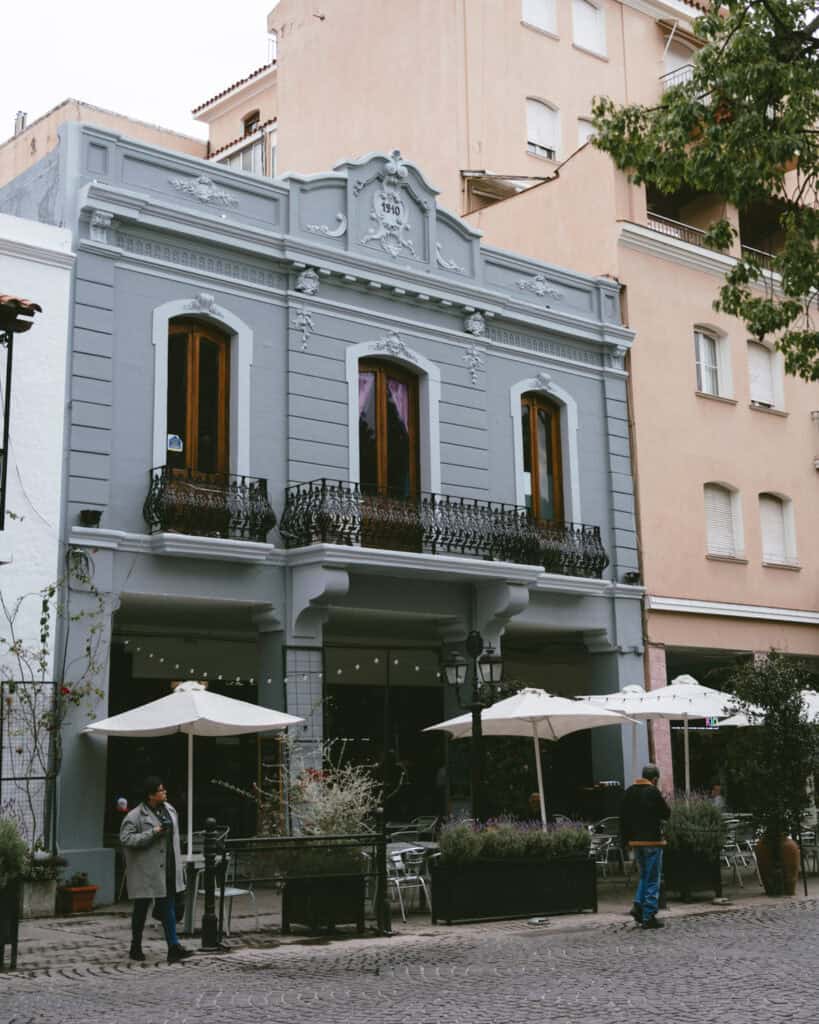
- 🌳 Explore the centro: Salta is a really lovely little city to explore. There are lots of different parks and plazas, pedestrian streets to wander down, markets to browse and lovely historic architecture to marvel at. I recommend a day just wandering aimlessly throughout the core centro area.
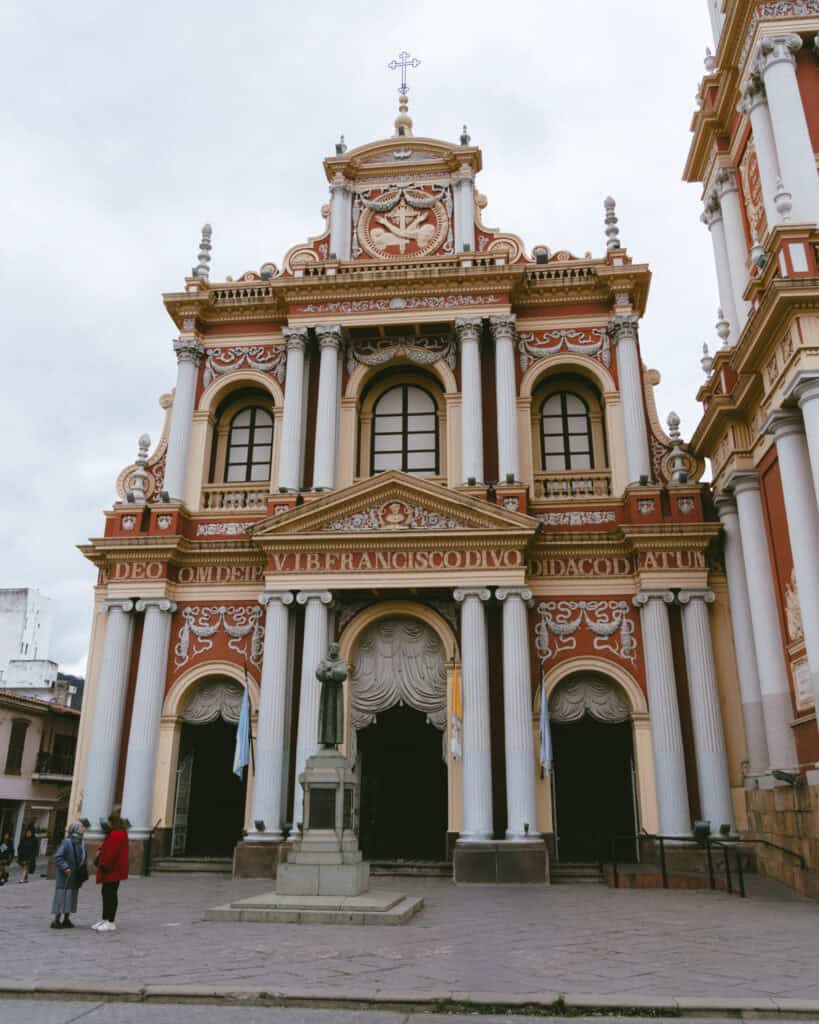
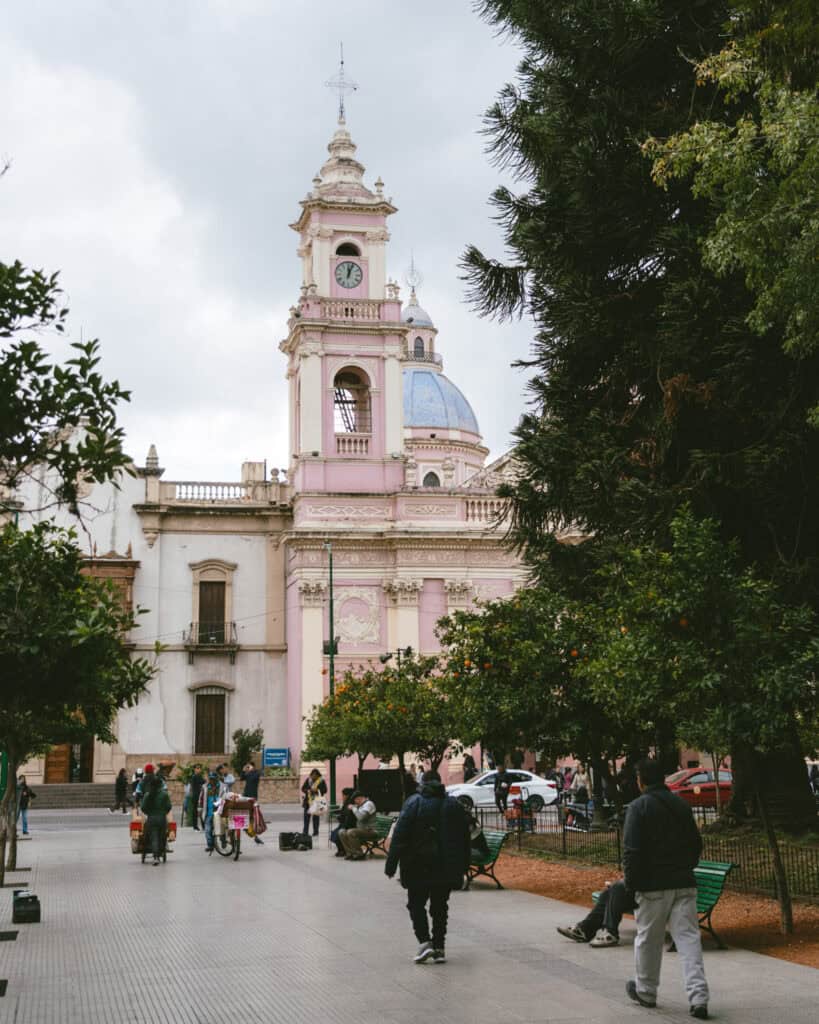
- ⛪ Check out the churches: if there’s one thing Salta City does well, it’s churches. There are dozens of beautiful and ornate churches scattered around the city, from the bright pink Catedral de Salta to the baby blue Iglesia de la Viña, add them to your wanderings.
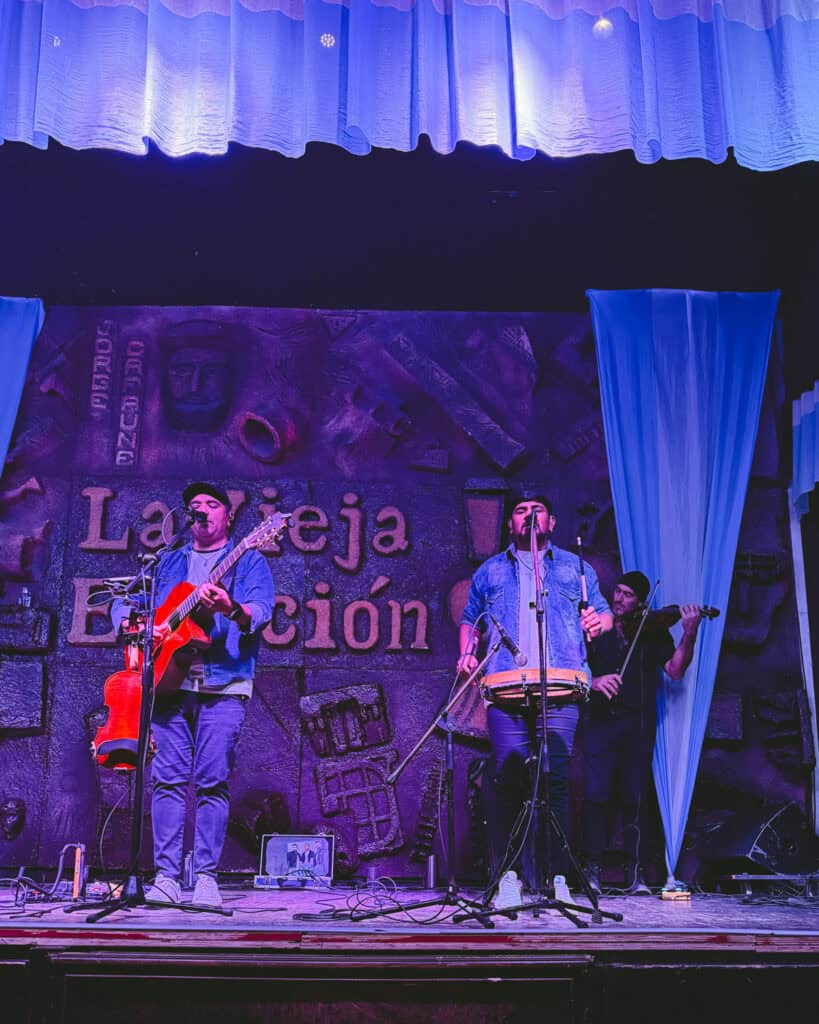
- 🎼 Go to a peña: Salta and the surrounding provinces are rich with indigenous cultures that are quite different from the rest of Argentina. One common feature of the northwest is folkloric music, and the best place to see this is at a peña. Essentially a bar or meeting place where folk music is performed, along with traditional dance, food and drink. There are all kinds of peñas around the city, from local spots to tourist spectacles. We went to Peña La Vieja Estación and had a great night.
- 🧊 Visit the Museo de Arqueología de Alta Montaña: Salta and the surrounding provinces have a historic connection to the Inca people, and their presence in the region is well-documented. The most mind-boggling display is that of three mummified children who were found high in the Andes, not far from Salta, as part of a ritual sacrifice. They have been preserved and can be seen on a rotating display at the MAAM. Very worth a (quick) visit.
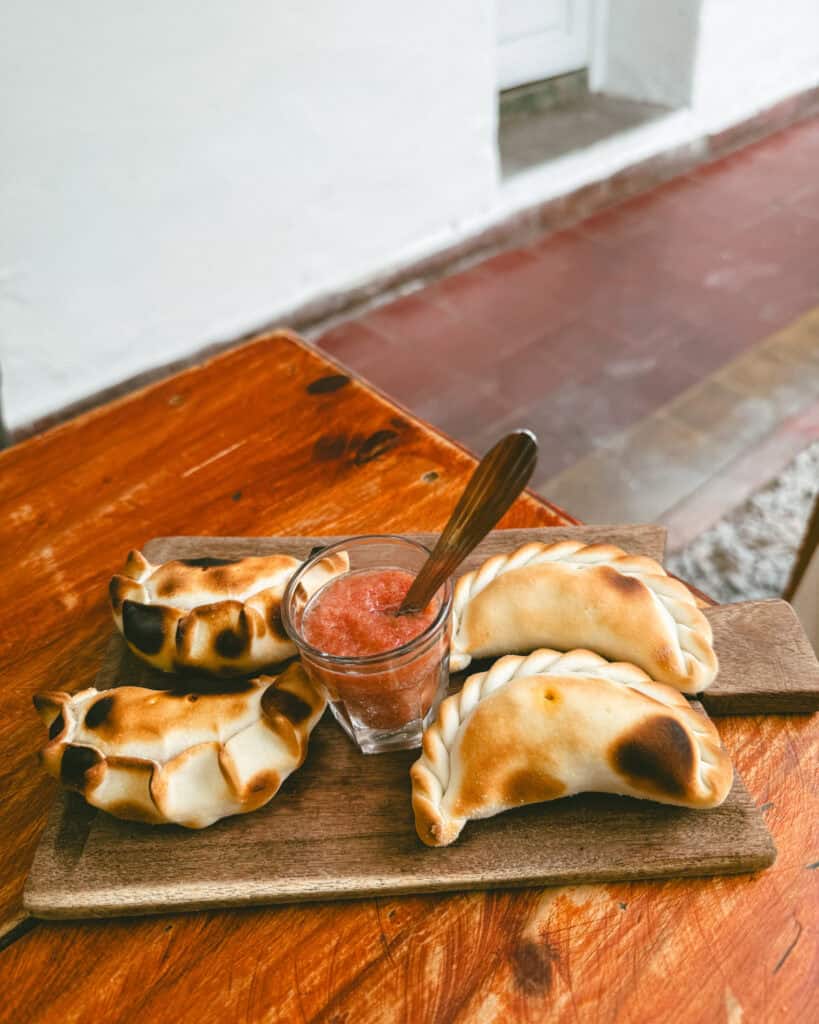
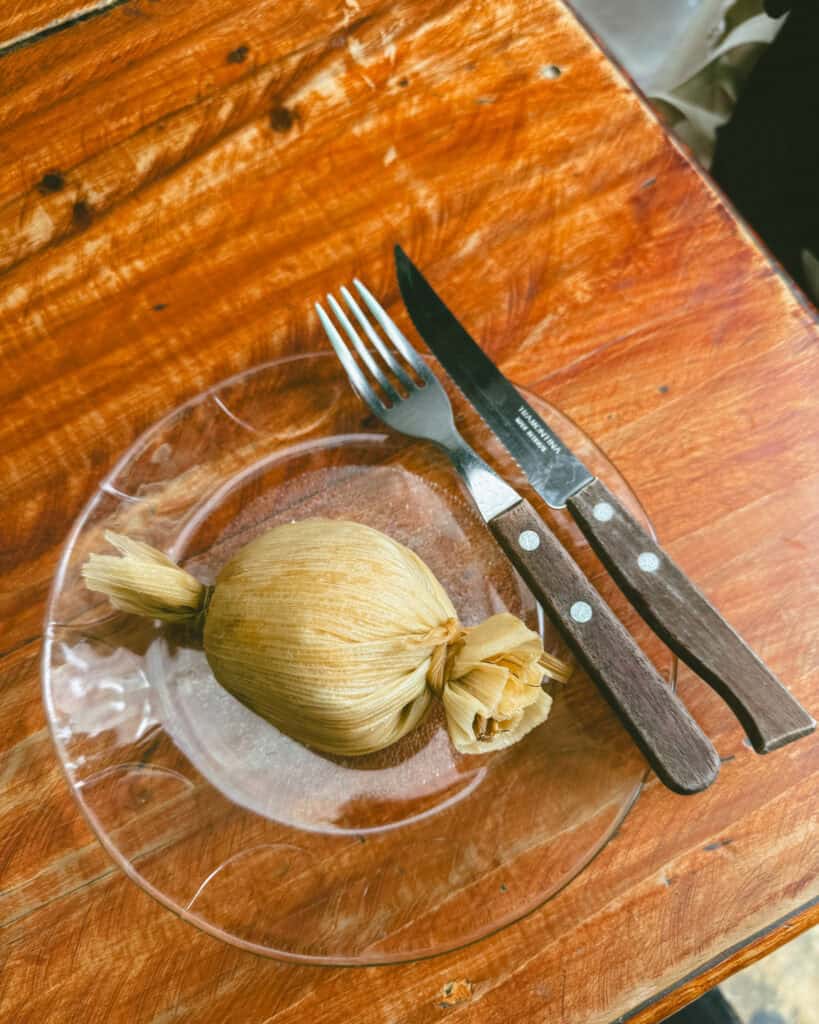
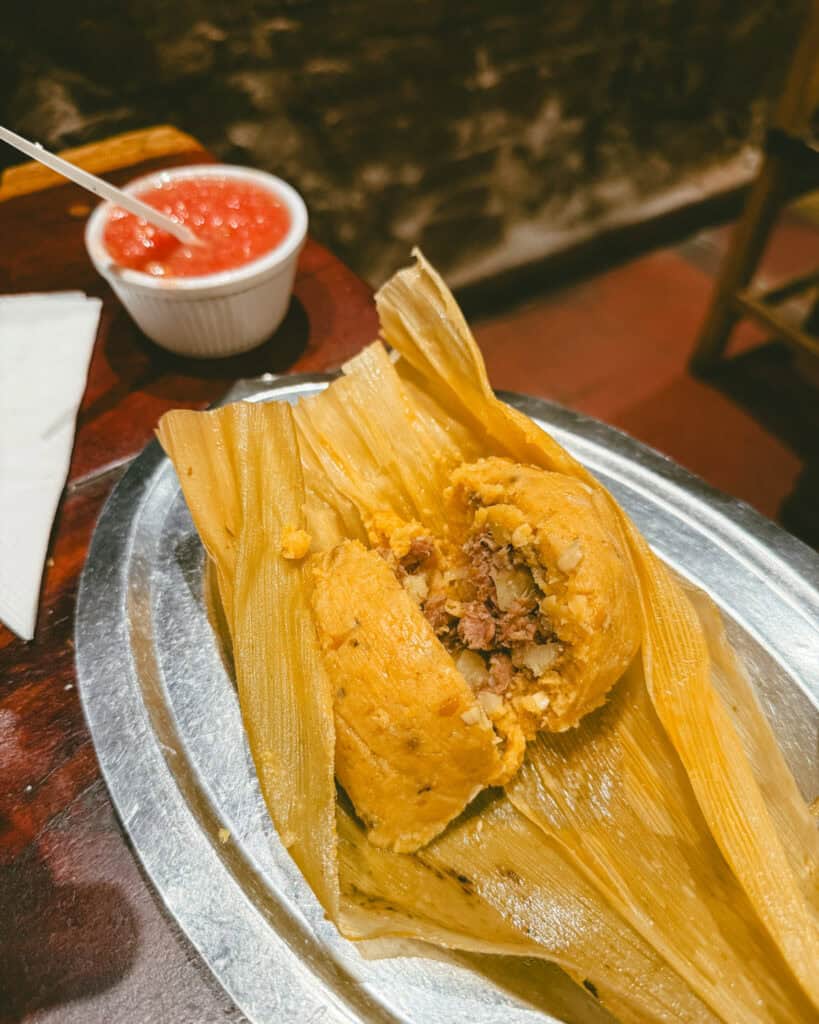
- 🫔 Try salteña food: the Salta Province has some of the best food in Argentina, in my opinion, and Salta City is the perfect launchpad for tasting all the unique dishes that you won’t easily find anywhere else in the country. Tamales, humitas, tortillas rellenas, empanadas salteñas, locro – the list goes on! Just make sure eating is a big part of your plans in Salta – the city and the entire province!
Best places to eat in Salta City
- 🫔 Doña Salta: the pinnacle of all comida salteña in the city, come here and try everything typical of the region. The tamales were particularly amazing!
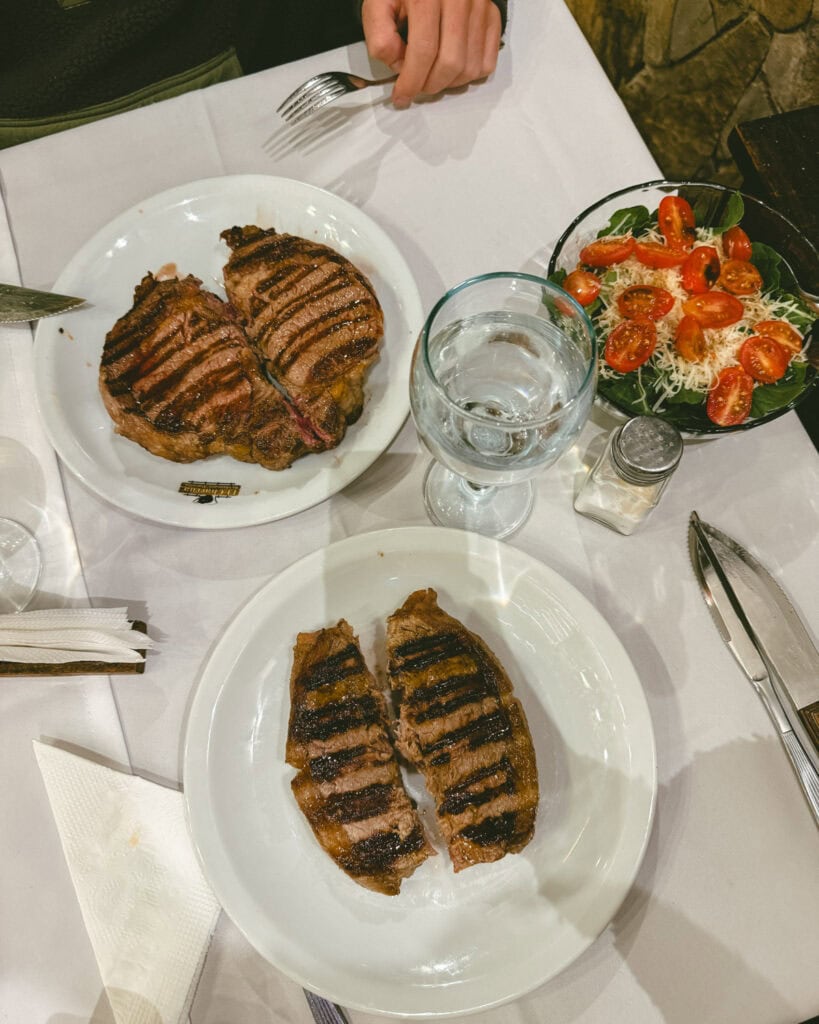
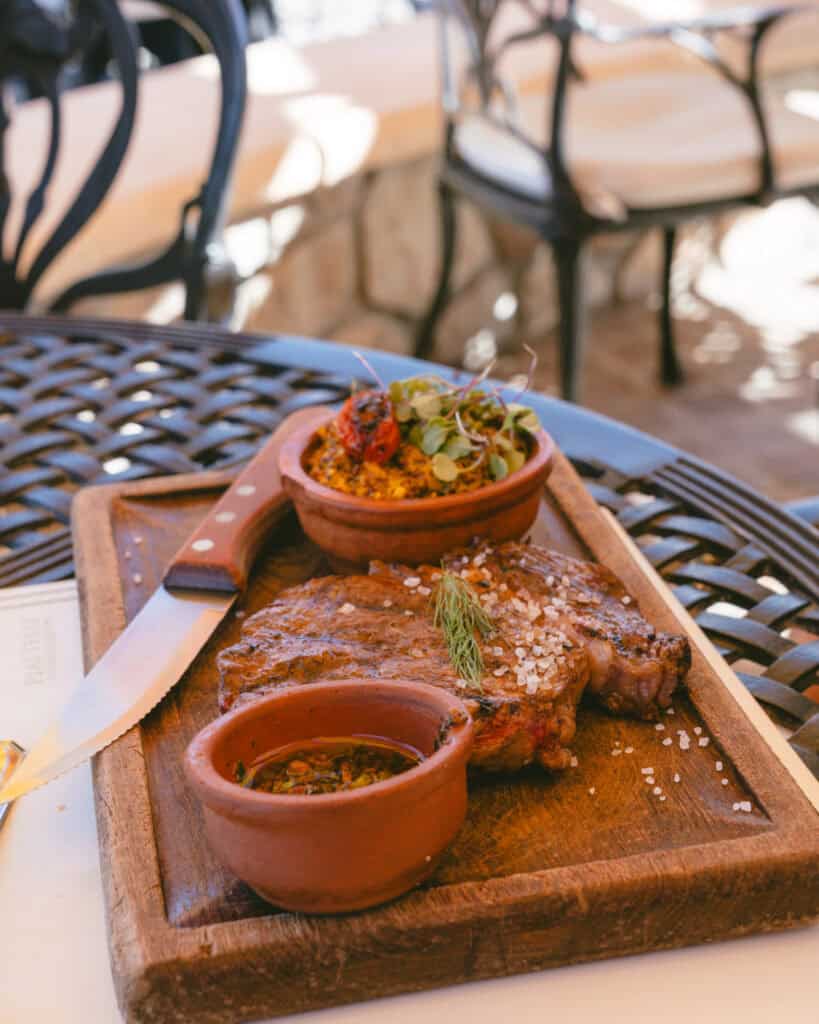
- 🥩 El Charrúa Parilla: after more than two months in Argentina, we still maintain that this was the best steak we’ve ever had! We may have just been lucky, but we shared a huge ojo de bife, which was cooked to absolute perfection.
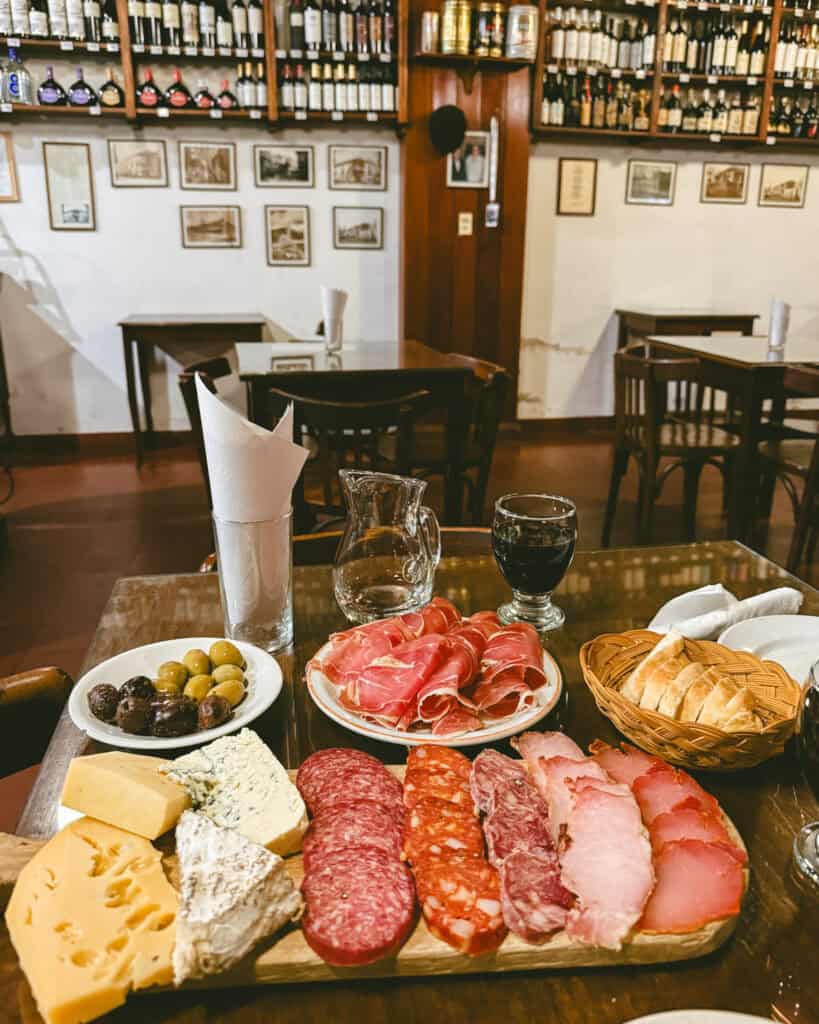
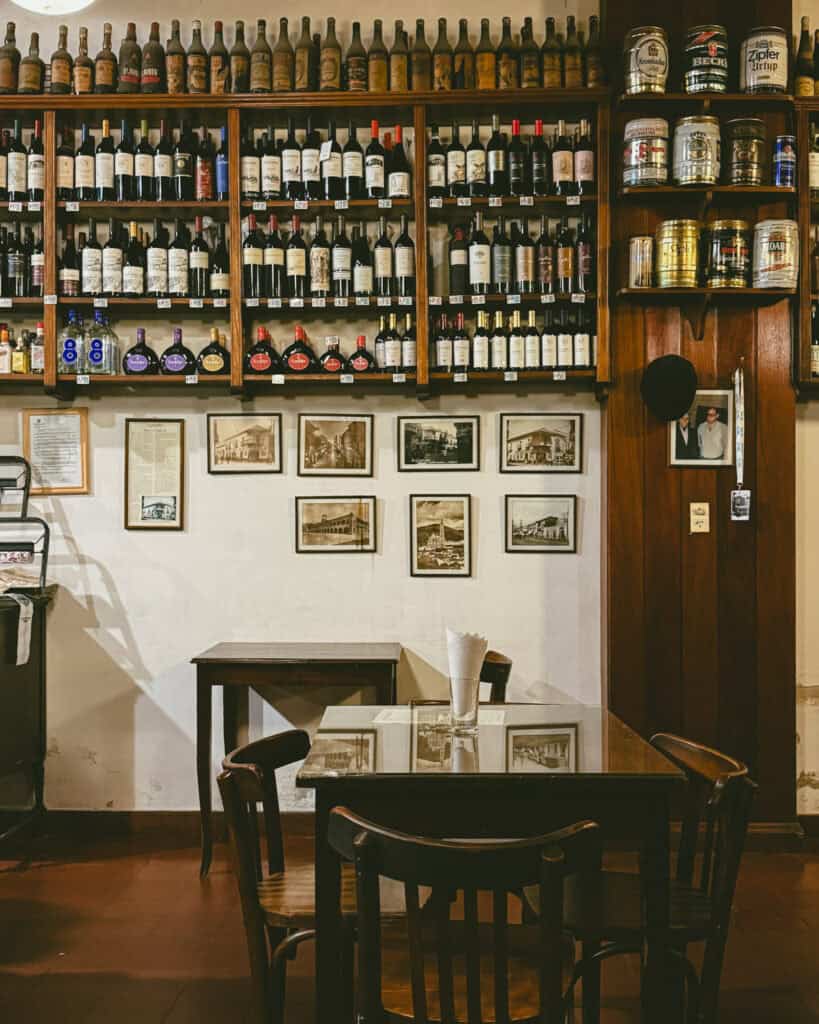
- 🧀 Casa Moderna: this was my favourite random find in Salta City. A dark and dingy deli and wine bar, more than 100 years old, we had the best picada of our trip here and a laughably cheap bottle of Malbec.
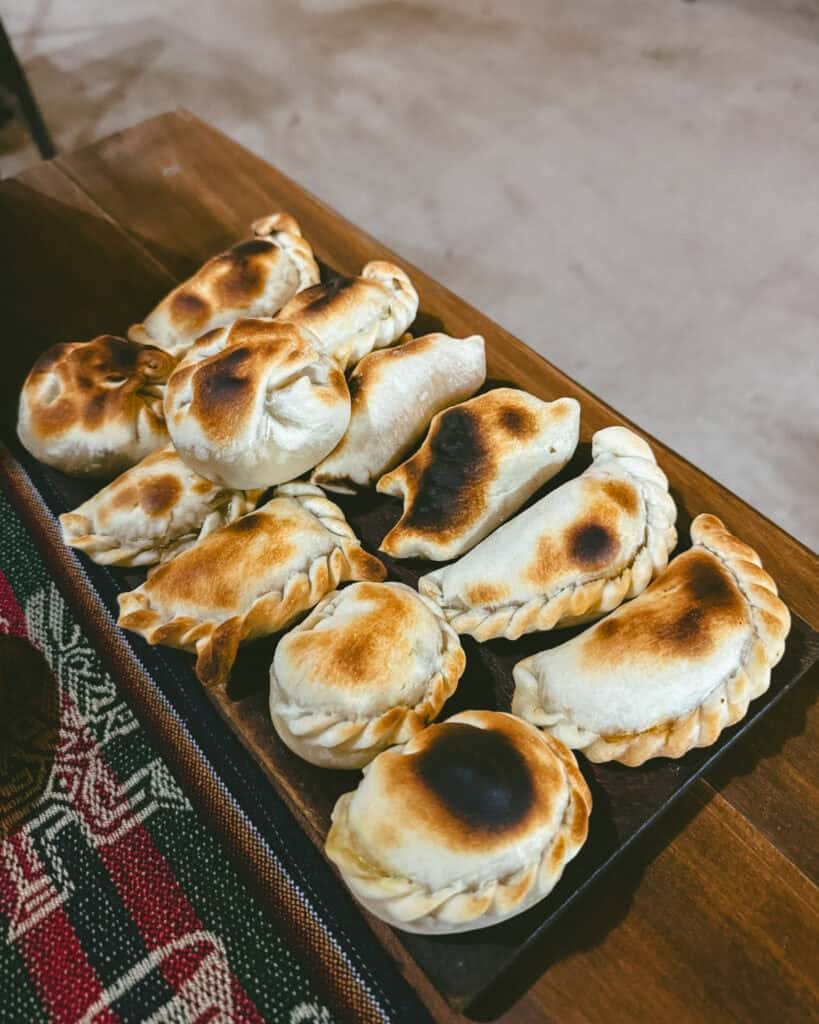
- 🥟 La Salteñeria Empanadas: there are A LOT of empanadas in Salta City, but according to many, these are the best. Made in a woodfired oven, their specialties are empanadas salteñas, the typical beef flavour of the region, as well as empanadas potosinas, which are giant Bolivian-style empanadas filled with juicy goodness.
- ☕ Trocadero Cafe: there are lots of cafes around the city, none really stood out that much, but we enjoyed spending a morning working at Trocadero at Selina Hostel. It was a big, cosy space with good breakfast combo deals.
Where to stay in Salta City
Salta to Cafayate: Ruta 68 & Quebrada de las Conchas
- 📏 Distance: 197 km (122 mi)
- 🗺️ Time according to map: 3.5 hours
- ⏰ Real time with stops: 5 – 6 hours
- 🛣️ Road condition: entirely paved in good condition
Driving from Salta to Cafayate on Ruta 68 is one of the most iconic drives in the country and is really more like a fun day out full of activities and sightseeing than just a pretty drive.
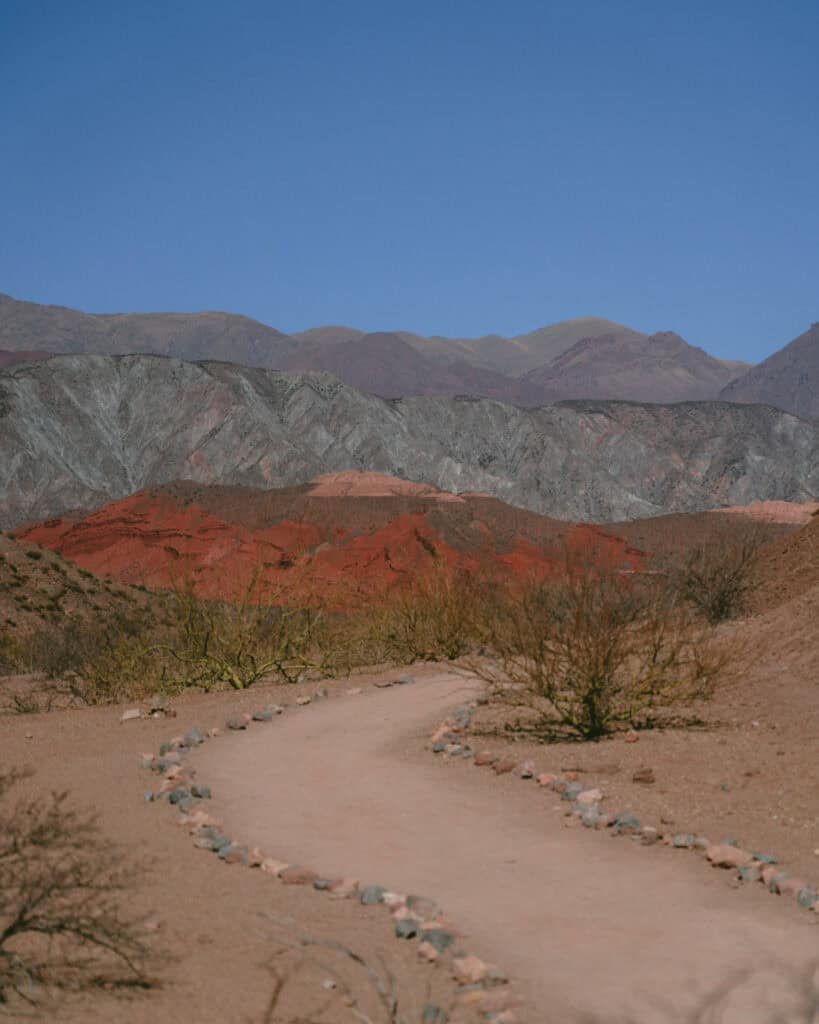
The first ~2 hours as you drive out of Salta City and its urban sprawl aren’t too exciting. It’s not until the rocks start turning red and you hit the boundary of the Quebrada de las Conchas (Canyon of the Shells) that things get really gorgeous!
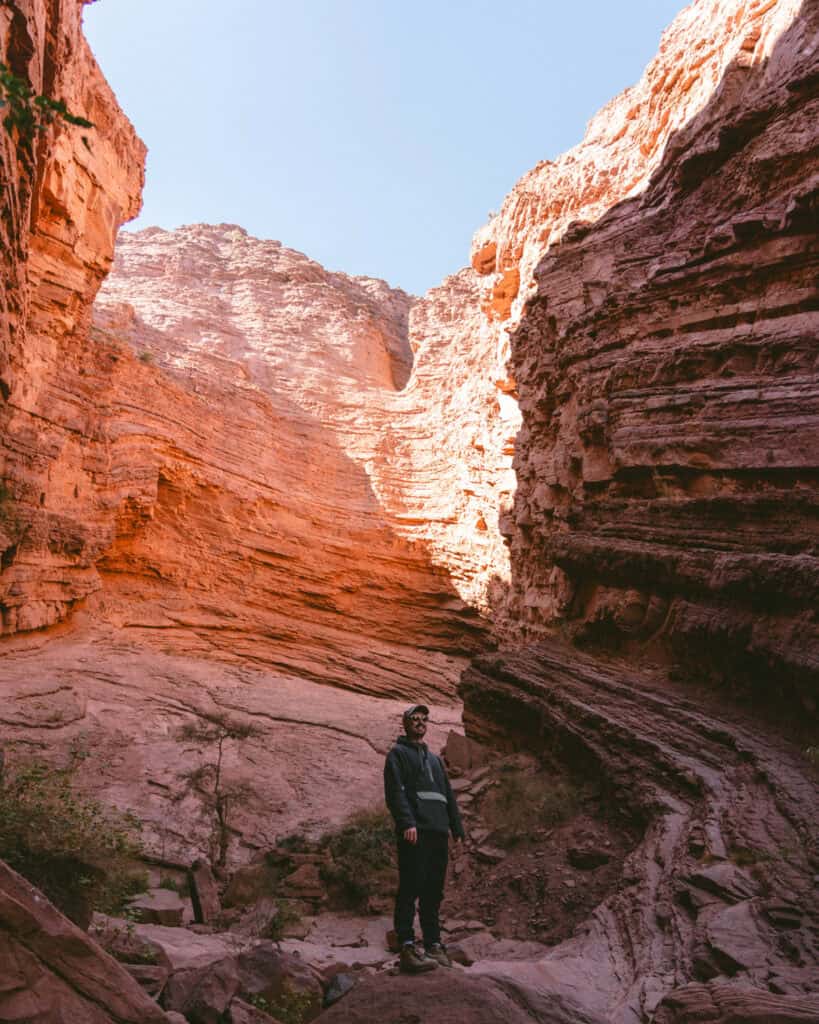
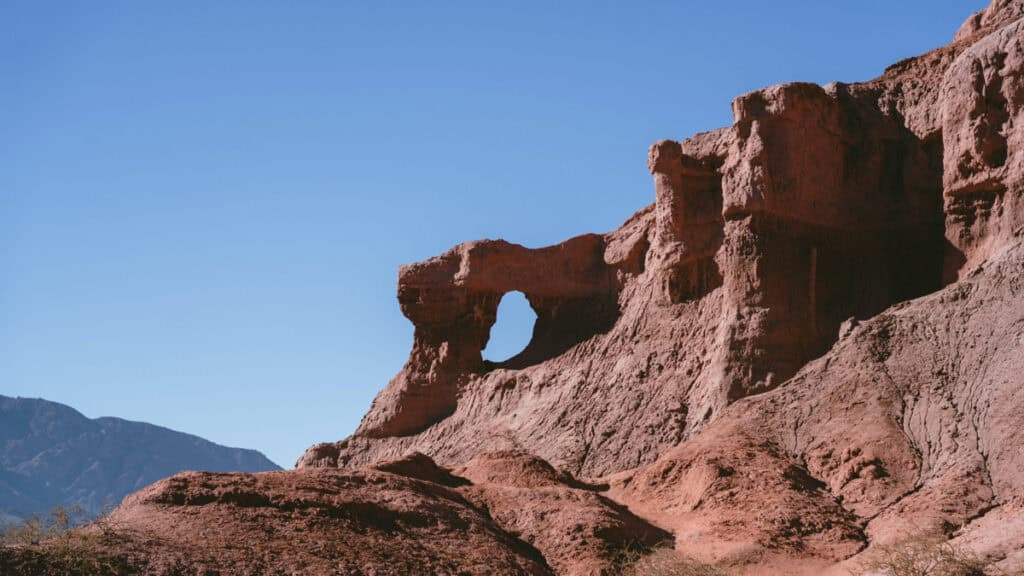
Once you’re inside the canyon, there is a series of amazing viewpoints, unique rock formations, short trails and other geological wonders to stop at. The rocks are a rainbow of ochre red, bright orange and even green at times. It is incredible!
The sights are all very well signposted, and the community has done an excellent job of maintaining the area and making it tourist-friendly. You’ll be in and out of the car all the way to Cafayate.
As a quick run-down, from Salta – Cafayate, these are the best official stops (note that there are stunning views everywhere and you can pull over whenever you’d like a photo or can’t keep your eyes on the road because it’s so pretty!):
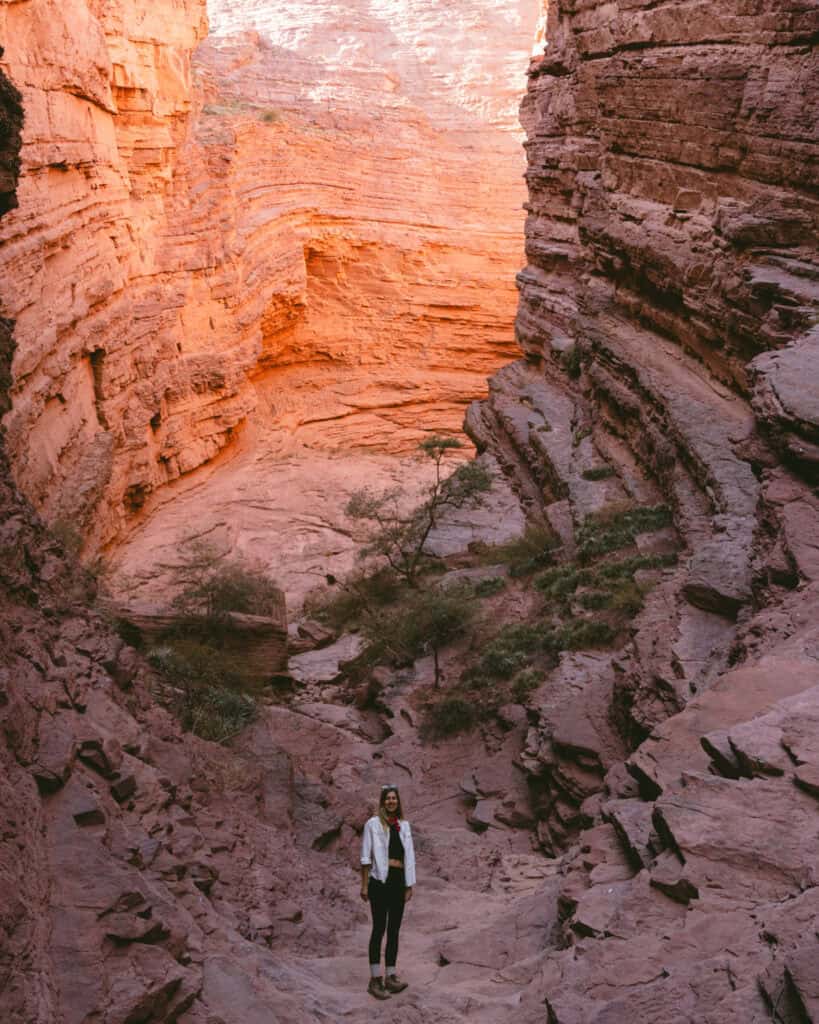
- 👹 Garganta del Diablo: aka devil’s throat, a very deep, narrow canyon ascending into the rockface
- 🎶 El Amfiteatro: a huge, natural amphitheatre with amazing acoustics
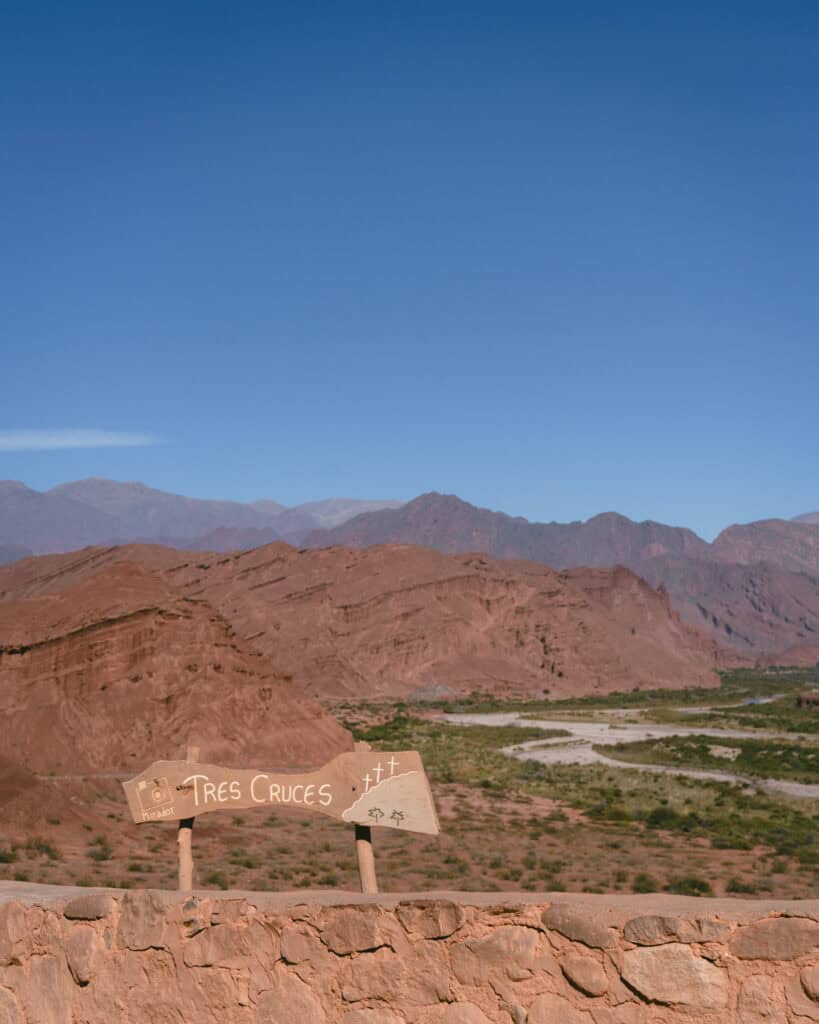
- ✝️ Mirador Tres Cruces: stunning mirador looking down at the Rio de las Conchas and the green valley. There is a short trail up a hill for the best view
- 🐸 El Sapo: a rock that looks like a frog/toad
- 🕴️ El Fraile: the friar, see if you can spot it. It’s not immediately obvious, but once you see it, it’s super clear!
- 🦜 La Casa de los Loros: a rock wall full of tiny little holes that are ‘parrot houses’
- 🌈 Sendero Los Estratos: a short trail through an open valley with towering rock formations with layers and layers of colour
- 🥟 Tienda de la Yesera: the best snack spot, a little restaurant in the middle of nowhere with tasty empanadas and llamas!
- 🏛️ El Obelisco: a towering hulk of rock that looks like the famous Obelisco in Buenos Aires
- 🪟 Las Ventanas: a few windows in the rock, you have to drive past the sign and look backwards to see them
- 🏰 Mirador Los Castillos: a dramatic wall of rocks, like ‘castles’
- 🌵 Los Colorados: towering rocks of all shapes, sizes and colours with lots of cactus
Stop 2: Cafayate
🌛 How many nights to spend: 3 – 4 nights
The drive into Cafayate through the Quebrada de las Conchas was so beautiful, I wondered if the town could live up to the high expectations. Spoiler: it did!
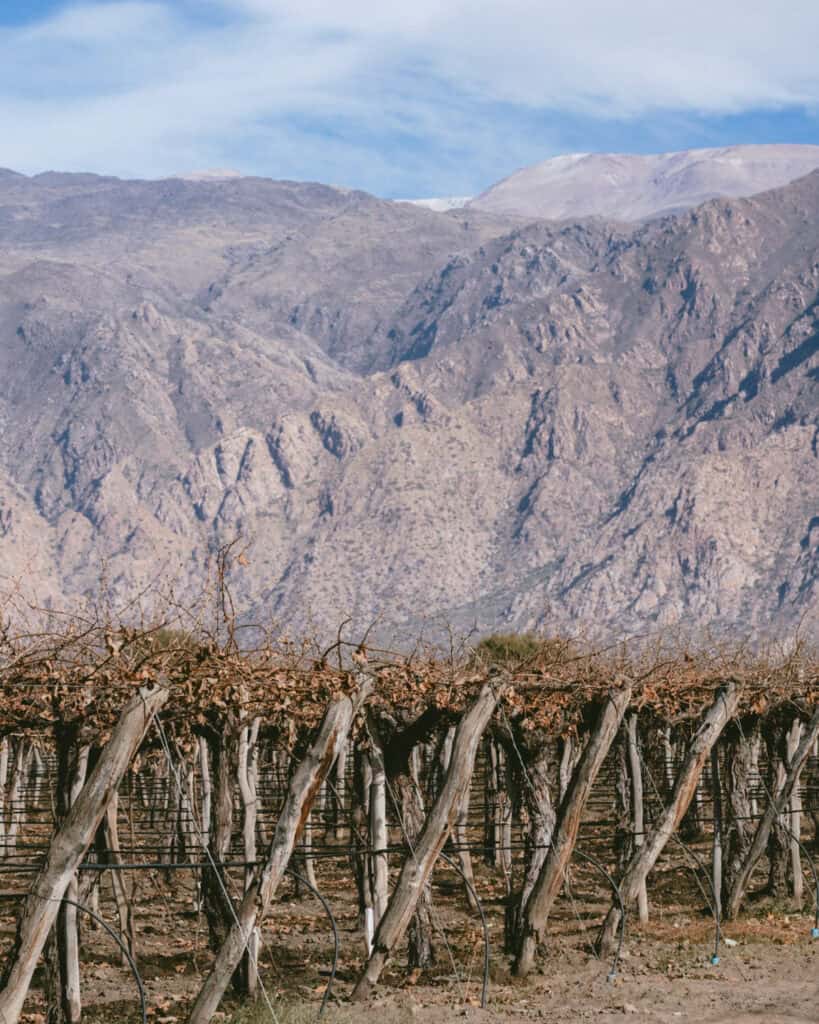
This absolutely gorgeous little town sits in the Valle Calchaquies, surrounded by mountains, red rocks and endless rows of vines. With more than 300 days of sunshine throughout the year, and a dry, temperate climate even in the depths of winter, my solar panels were recharged, and the clear blue skies definitely helped us fall in love with Cafayate.
If you love wine and you have grand ambitions to visit multiple bodegas, then you will have plenty to do in Cafayate and will probably want to stay here longer than you think! This is the heart of the Salta wine region, some of the highest altitude wine in all of Argentina. The town sits at 1,683 m, so nothing too oxygen-stealing.
There are bodegas and vines right in the heart of town, and branching out in all directions amongst the rural landscape. There are wineries of all shapes and sizes, with tastings, tours, restaurants, architecturally designed buildings, and other unique experiences to choose from. We spent two full days visiting an array of bodegas, opting for different experiences at each.
Top things to do in Cafayate
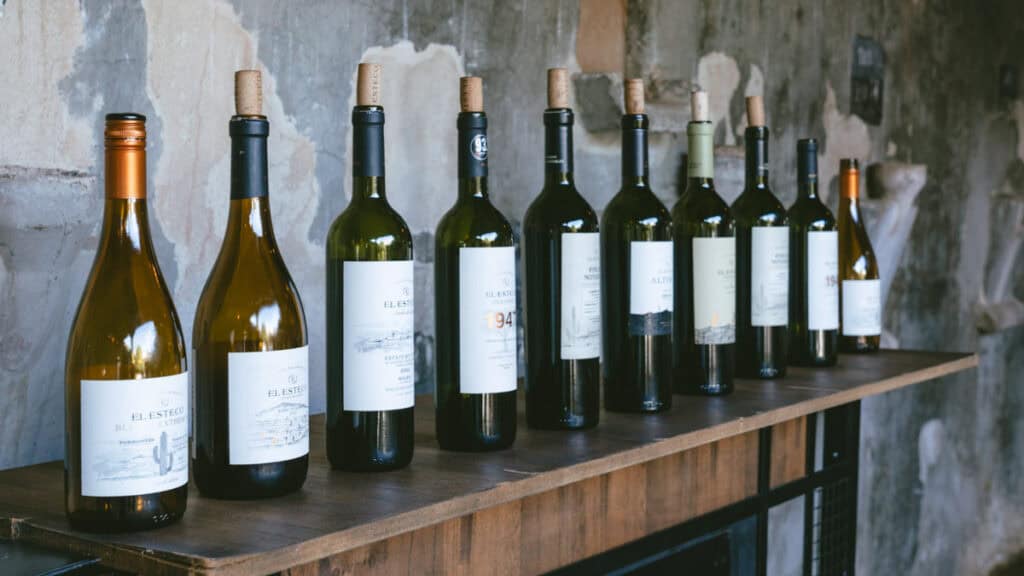
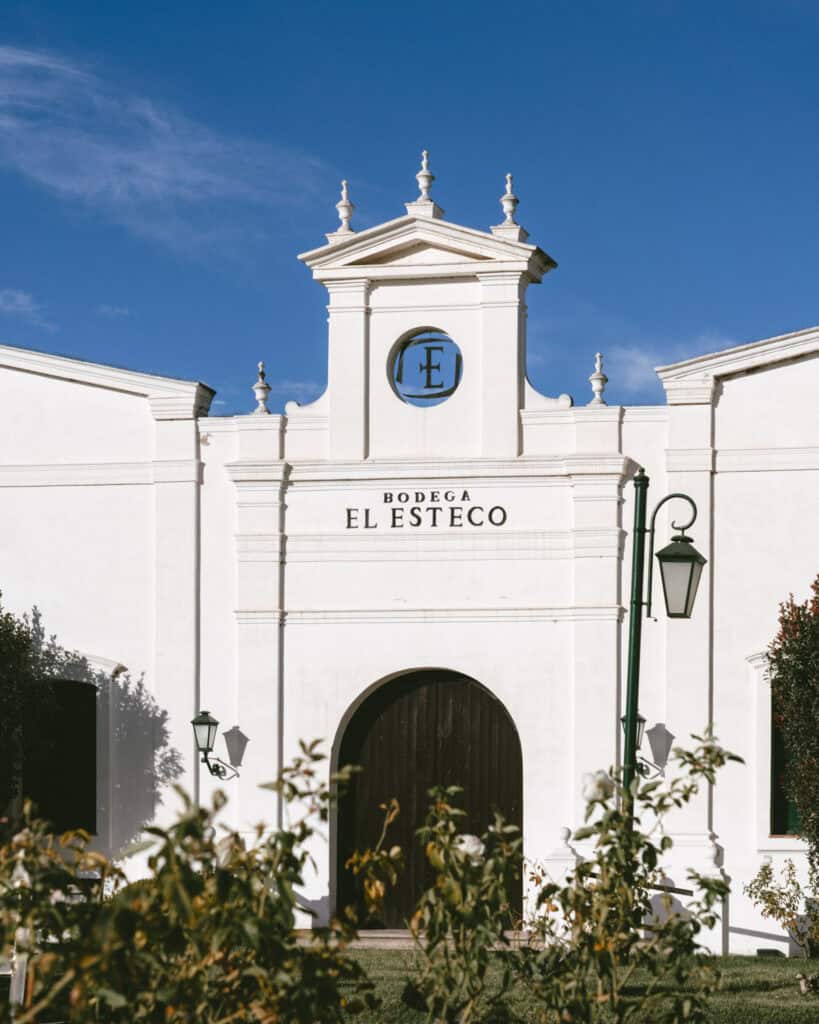
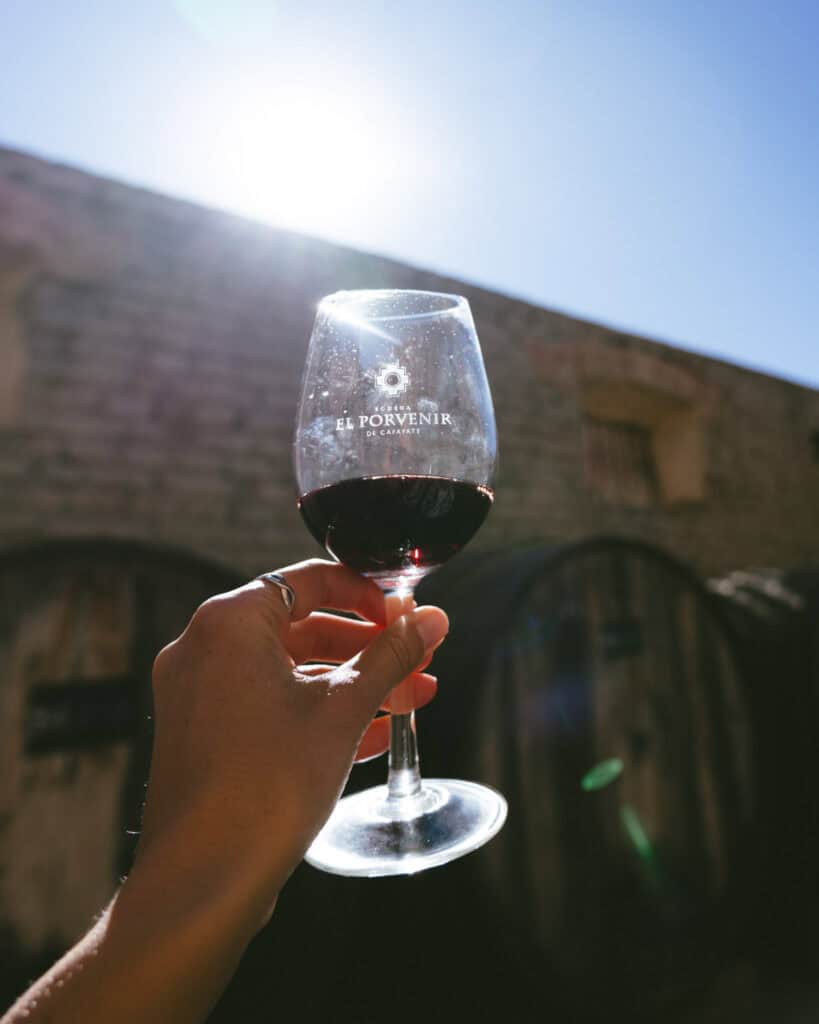
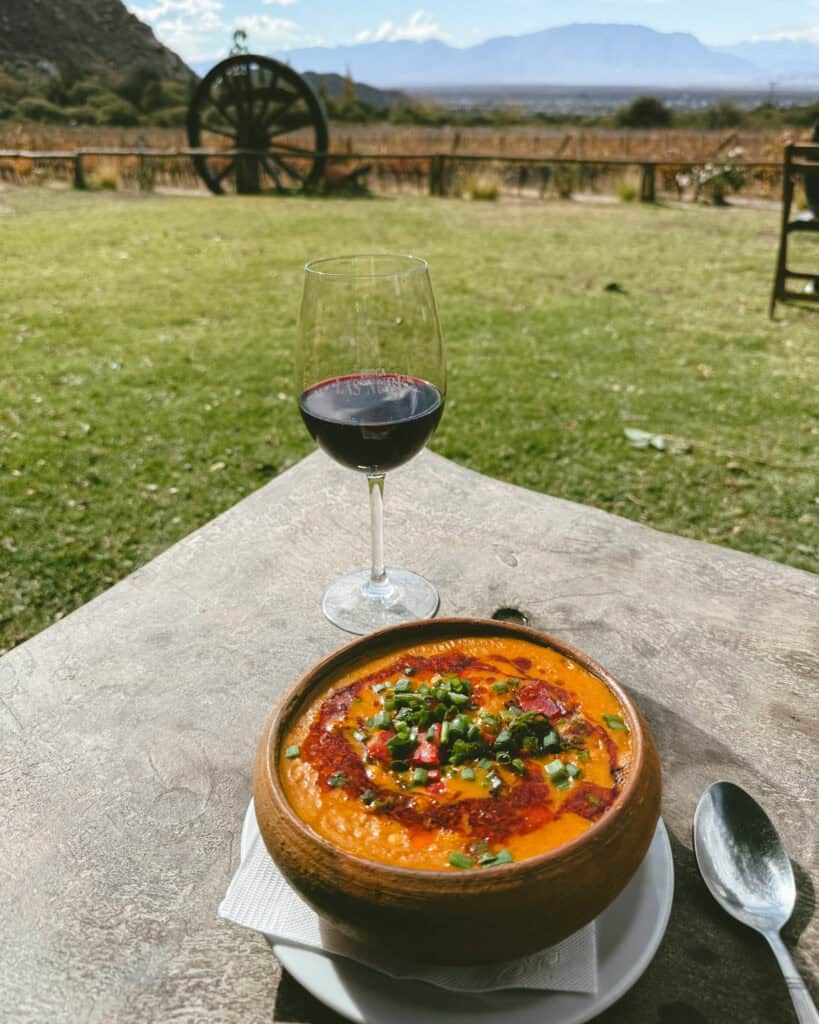
- 🍷 Winery hop: there are so many wineries to choose from in Cafayate, if you’re a wine lover it’s actually overwhelming! There are lots of bodegas right in the centre of town, where you can pop in for a quick tasting. Alternatively, there are sprawling fields of vines and gorgeous restaurants at various wineries a little further outside of town. Visit a mix of both! Our favourites were Piatelli for a delicious paired lunch, Bodega El Esteco for a tour to learn more about the winemaking process and Finca Las Nubes for a relaxed, scenic setting.
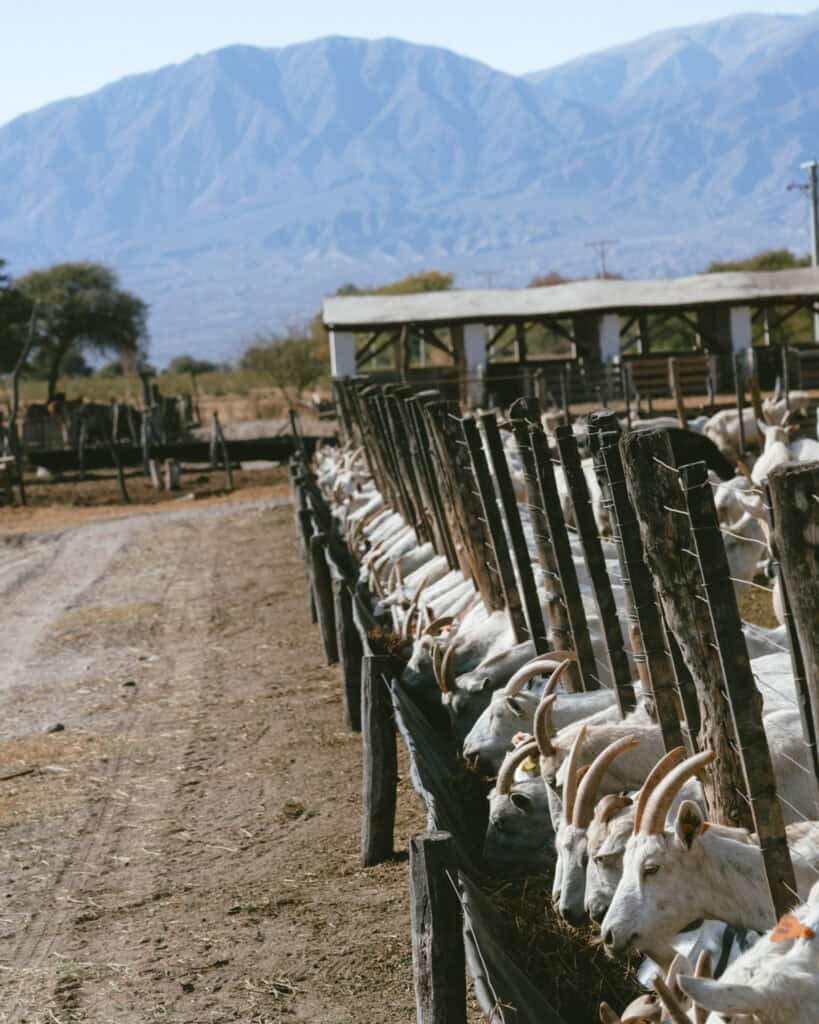
- 🐐 Cabras de Cafayate: a goat farm, need I say more? In a similarly gorgeous setting to the wineries, you can take a tour of the farm to meet the cute goats and do a tasting of their goat cheese products, with a side of wine.
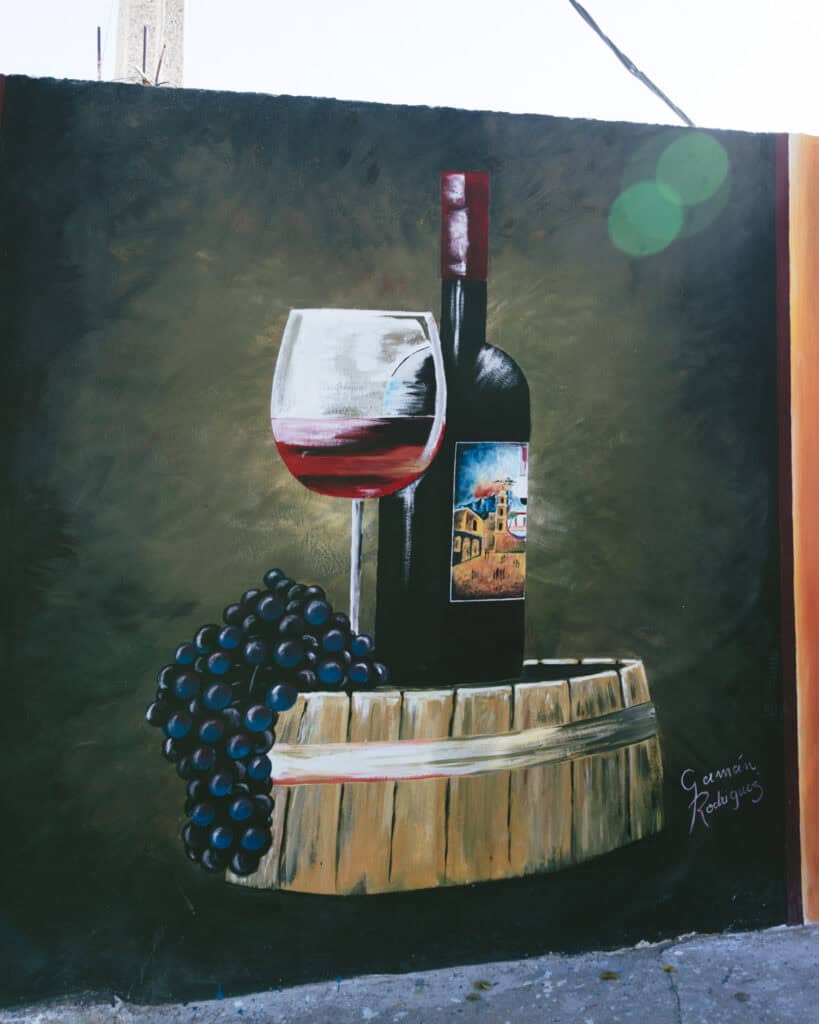
- ⛪ Explore town: Cafayate is only a small town, but it’s absolutely charming and you should spend a few hours wandering around the streets, watching life go by in the plaza, listening to the local boys jam out on the church bells and finding all the amazing murals. There are lots of markets to browse too with artisanal crafts and produce.
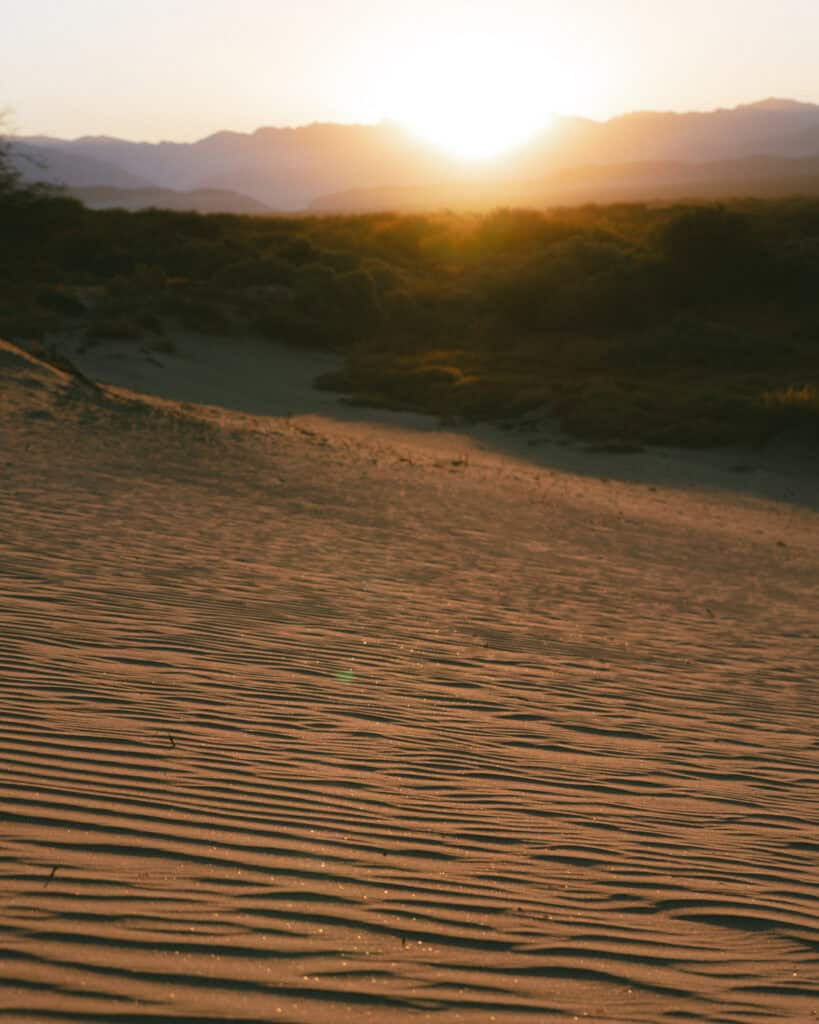
- 🌞 Sunrise or sunset from Los Medanos: this set of sand dunes is on the way into Cafayate from Salta, so you may be tempted to stop there as part of your Ruta 68 trip. However, I’d recommend holding off and visiting the dunes either at sunrise or sunset. We went at sunrise, and it was freezing but beautiful watching the golden sun light up the dunes. If you go for sunset, bring a bottle of local wine and end the day with a show!
- 🥾 Go hiking: there are several trails around Cafayate if you want to go for a hike. Whether you head back onto Ruta 68 to tackle one of the longer trails in the Quebrada de las Conchas, or organise a local guide (mandatory) to hike to the Rio Colorado Waterfalls or Cueva del Suri.
Best places to eat in Cafayate
- 🍇 Winery restaurants: this is a bit of a catch-all, but when you’re planning your winery visits, you should also book in for a nice lunch, dinner, both or several of each! Not every winery has a restaurant, but some good options are Piatelli, La Rosa at Bodega El Esteco and Pausa at Bodega El Porvenir.
- 🥟 La Casa de las Empanadas: ‘the house of empanadas’, I think that’s all you need to know! Just off the main square, they’ve got a huge list of unique flavours, some with blue cheese, YUM!
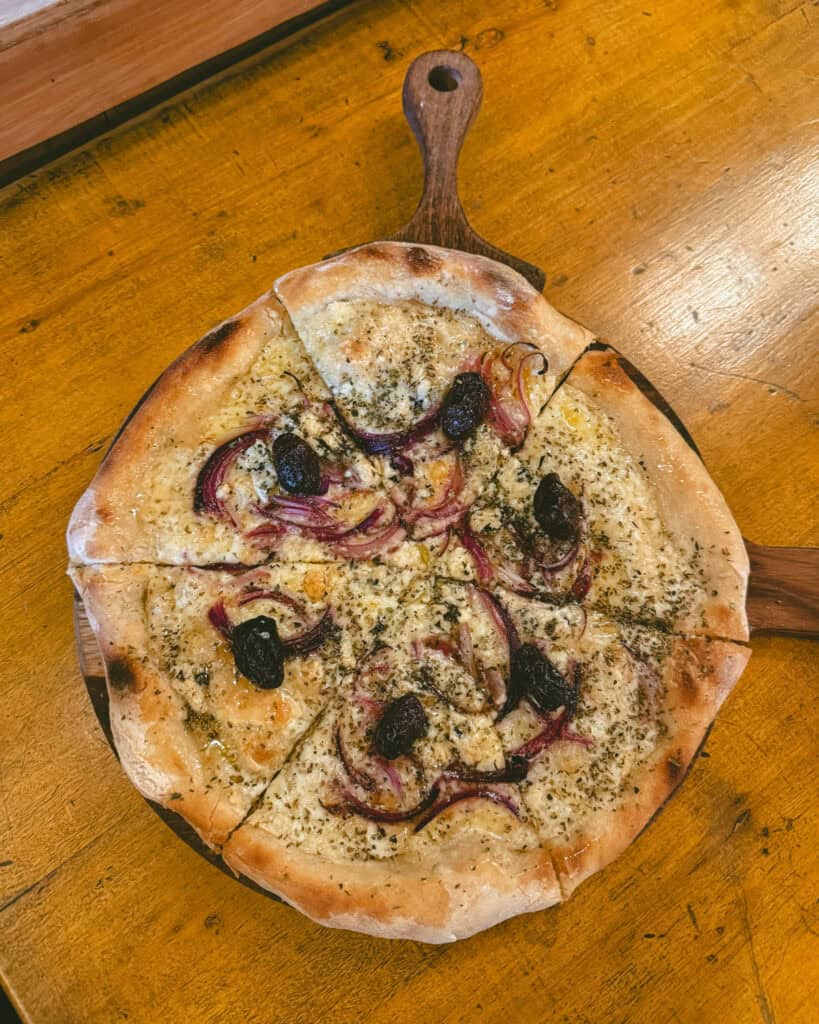
- 🍕 Arbol Negro Bodega: it’s usually wise to avoid restaurants right in the main square of any tourist town, as they’re generally overpriced and poor quality. Not this one! Arbol Negro made some of the best pizza we had in all of Argentina (woodfired, thin crust, sourdough type pizza, not the typical thick Argentine pizza).
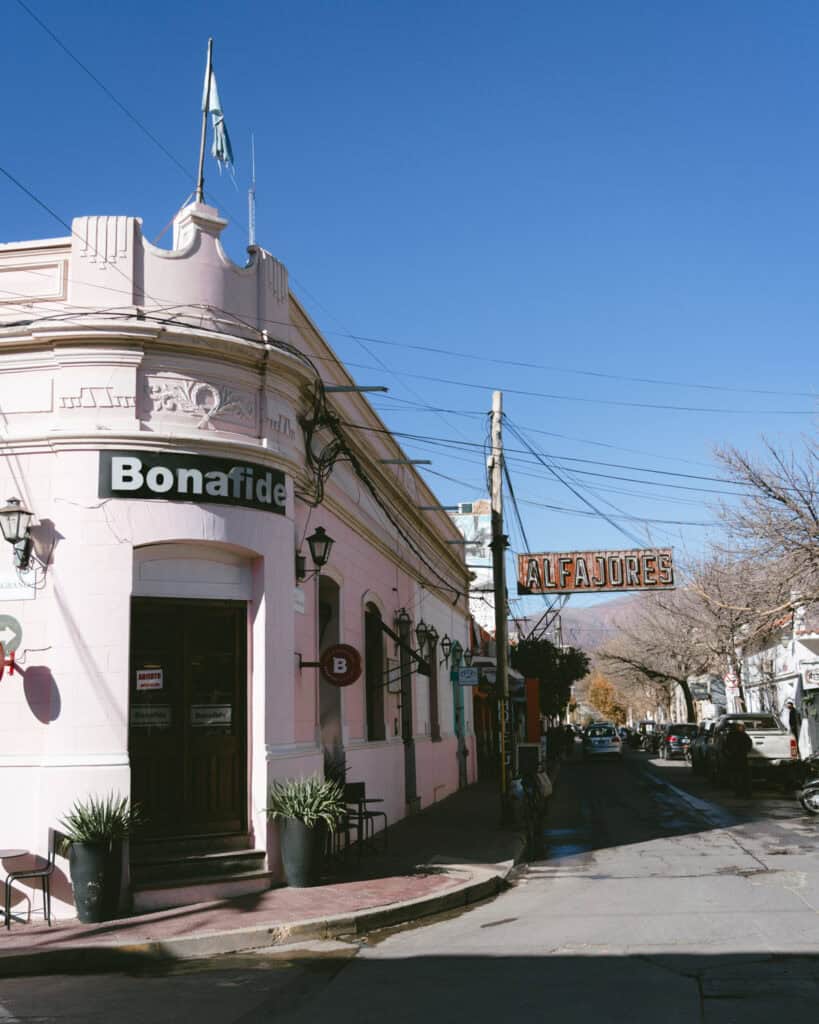
- 🍪 Calchaquitos: the BEST alfajores we ate in Argentina were from here. They’ve got a huge variety of flavours, including some regional specialities like malbec (red wine), torrontes (white wine) and cayote (a sweet local fruit).
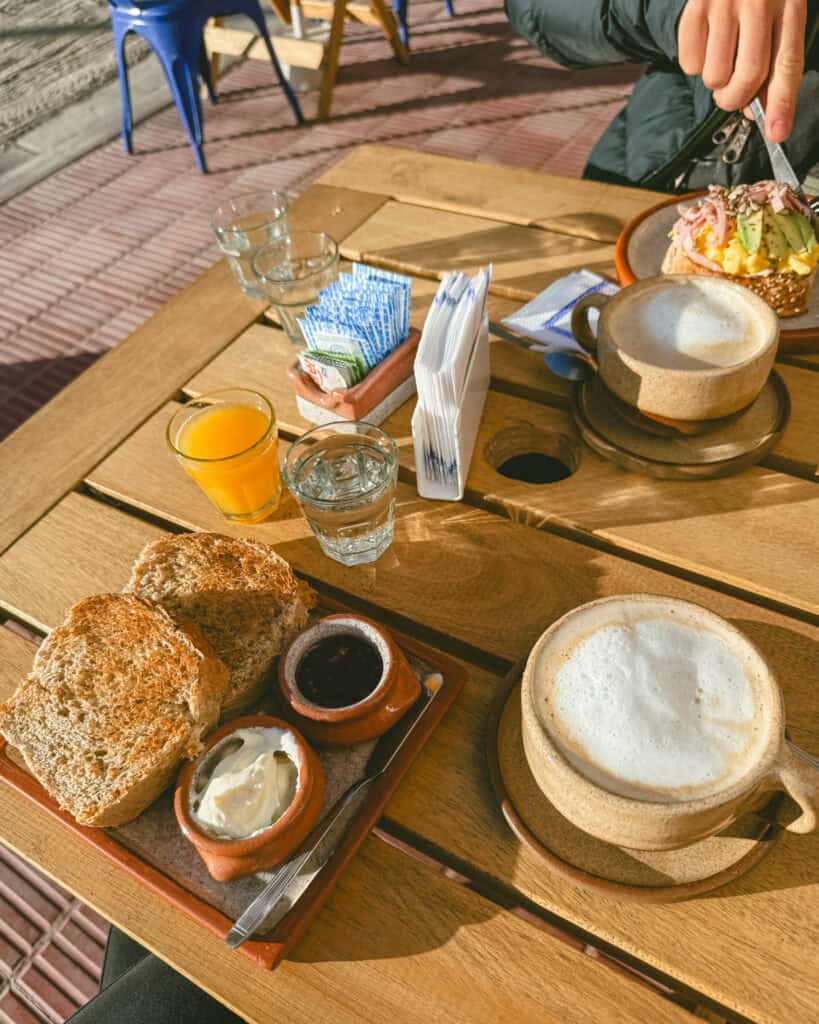
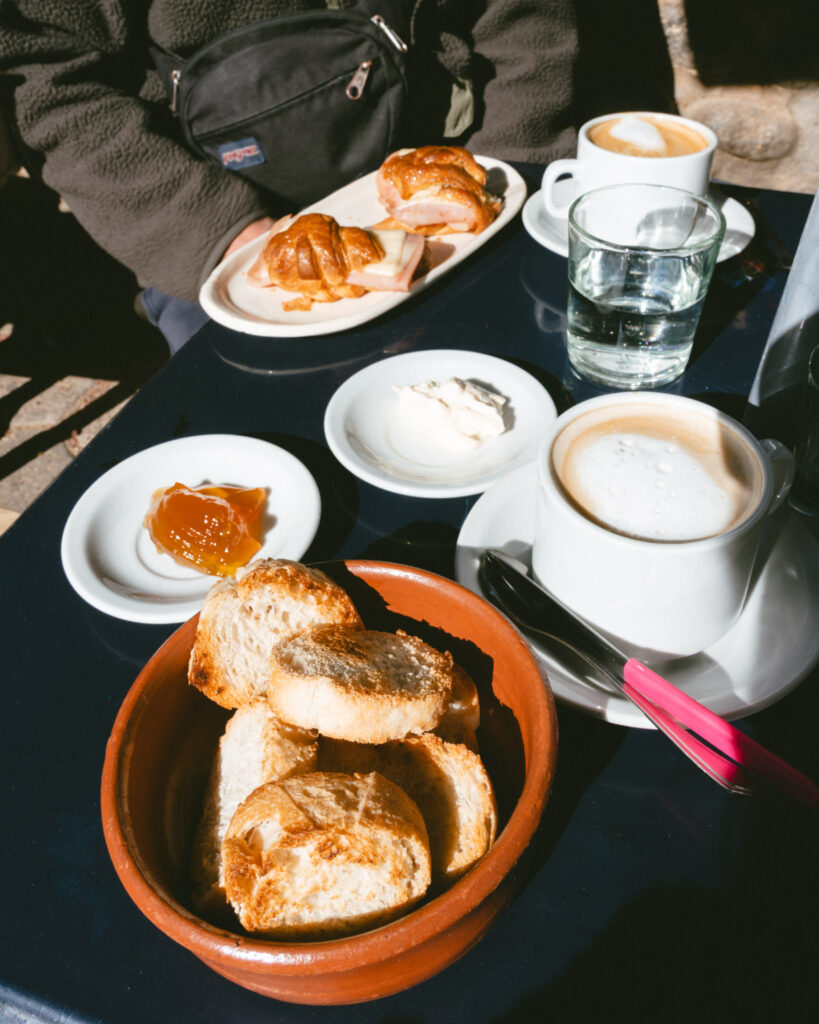
- 🍞 Cafe Lavanda: there are lots of nice little cafes in Cafayate, but this was our favourite. It’s slightly out of town, but it’s affordable and they’ve got great breakfast combos. Nothing beats the typical Argentine tostadas con mermelada y queso crema, with a coffee and a side of sparkling water. Perfection.
Where to stay in Cafayate
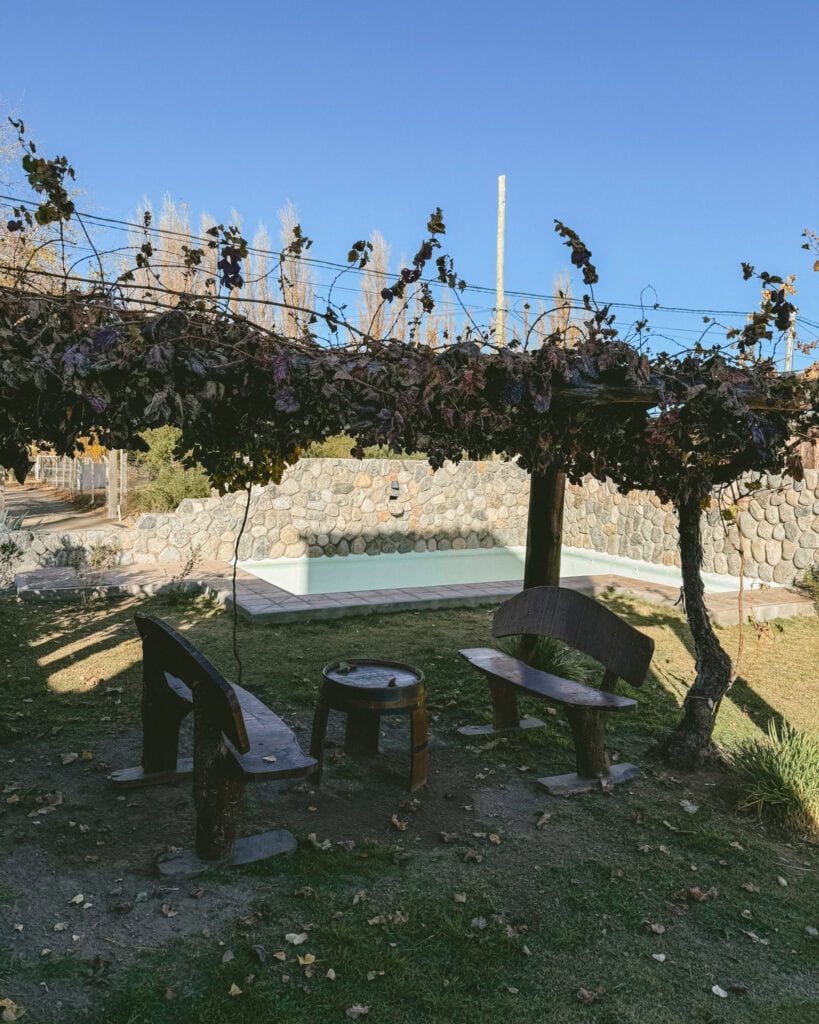
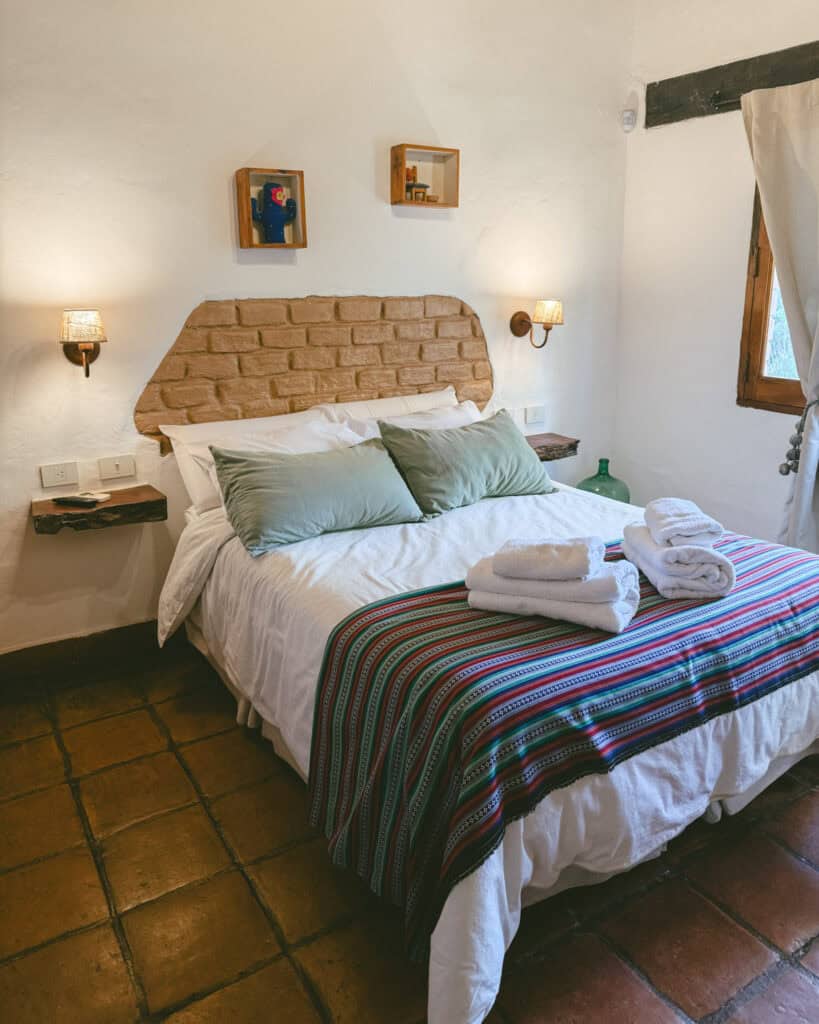
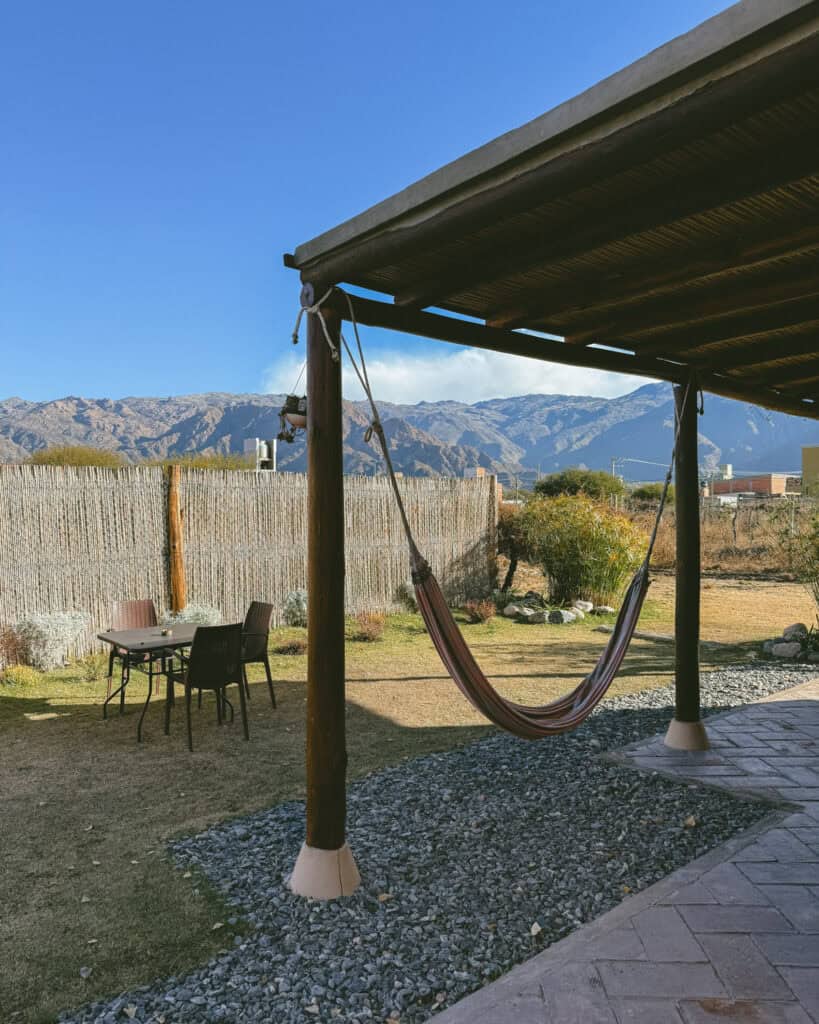
Pasillos del Viñedo
Cafayate to Cachi: Ruta 40 & Quebrada de las Flechas
- 📏 Distance: 156 km (97 mi)
- 🗺️ Time according to map: 4 hours
- ⏰ Real time with stops: 6 – 7 hours
- 🛣️ Road condition: entirely unpaved in poor condition
Ruta 40 is Argentina’s iconic national highway that runs almost the entire length of the country, from the northern border with Bolivia down to the deep south of Patagonia.
When you drive from Cafayate to Cachi, you’ll travel a particularly scenic (and bumpy) stretch of this road.
The drive is looooong and slow. It honestly felt like we had been driving on the VERY bumpy Ruta 40 forever by the time we rolled into Cachi. Watching the time on the map feels like a never-ending game, because you have to drive so slowly that the time never goes down!
It’s a very scenic drive and absolutely worth doing, but strap in for a long day, and be prepared to drive very slowly, especially if you don’t have a 4×4.
The road is in pretty poor condition, is unpaved the entire way, with constant corrugations and bone-rattling bumps. It’s not scary or particularly steep anywhere, or with any deep ruts that a normal car couldn’t handle (in the dry season at least), it’s just constant, slow rattling!
The drive is incredibly scenic, but there are fewer specific sights than on Ruta 68.
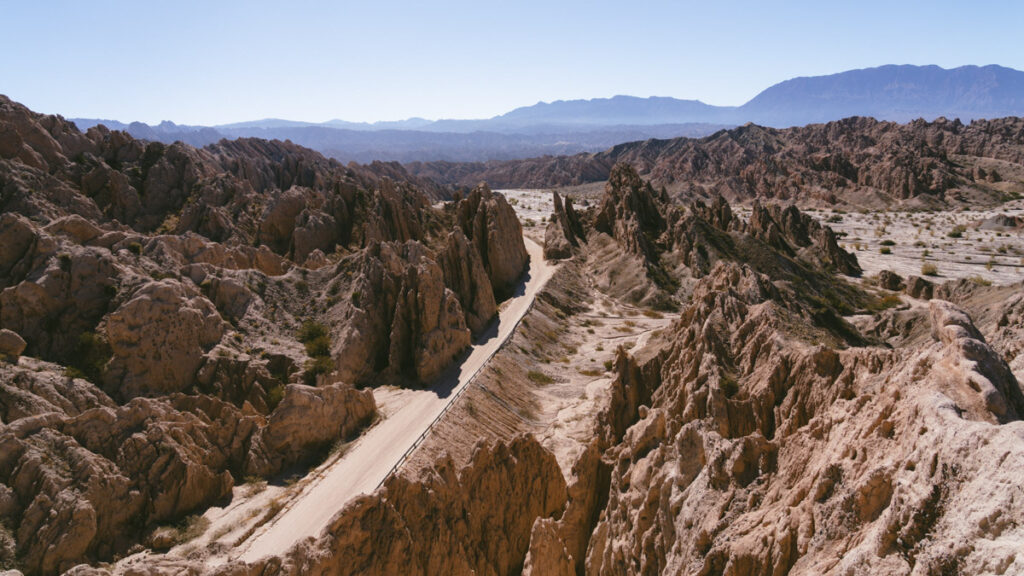
The main attraction is the Quebrada de las Flechas (Canyon of the Arrows), which is excellent, but it only occupies a small portion of the drive.
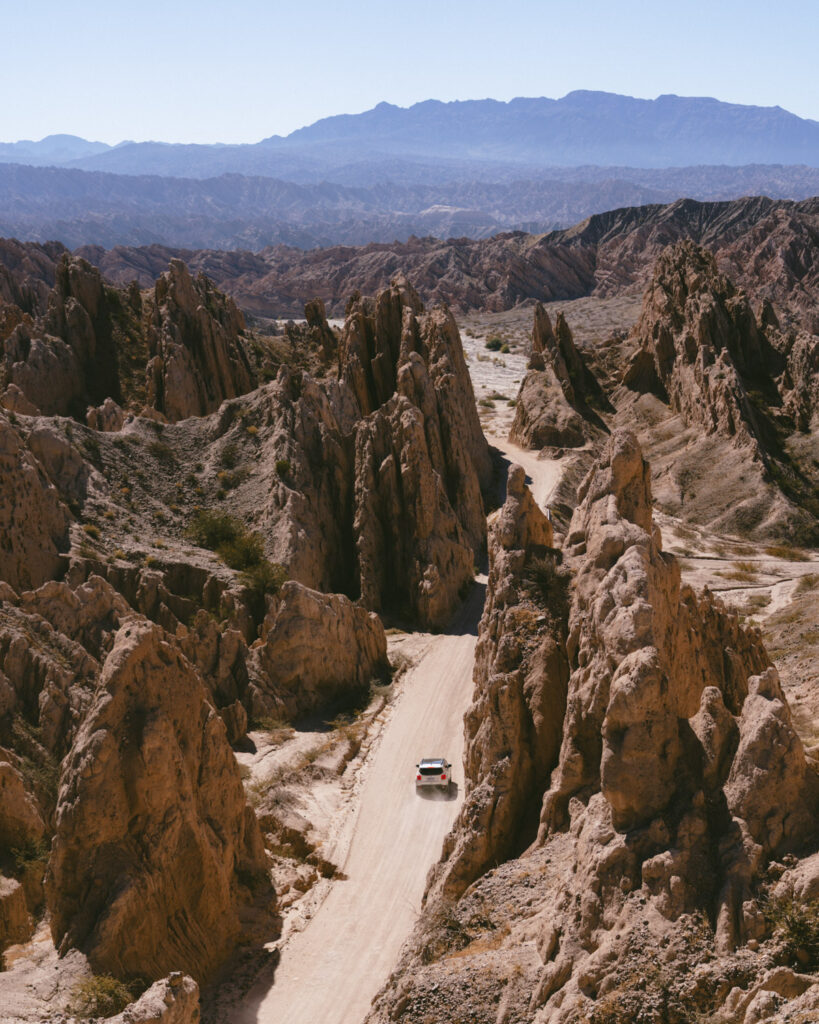
You’ll quickly see why it’s called the Canyon of the Arrows! The jagged rocks look like hundreds of arrows pointing to the sky, and the soft, beige coloured rock is entirely different from the formations around Cafayate.
There are just a couple of official miradors to stop at along the way, but you can also enjoy the scenery from the car or pull out wherever you like:
- 🏹 Mirador El Ventisquero: the best place to appreciate the jagged rock formations. There is a car park and a short trail to an elevated lookout. Pack a snack and a thermos to enjoy a break here.
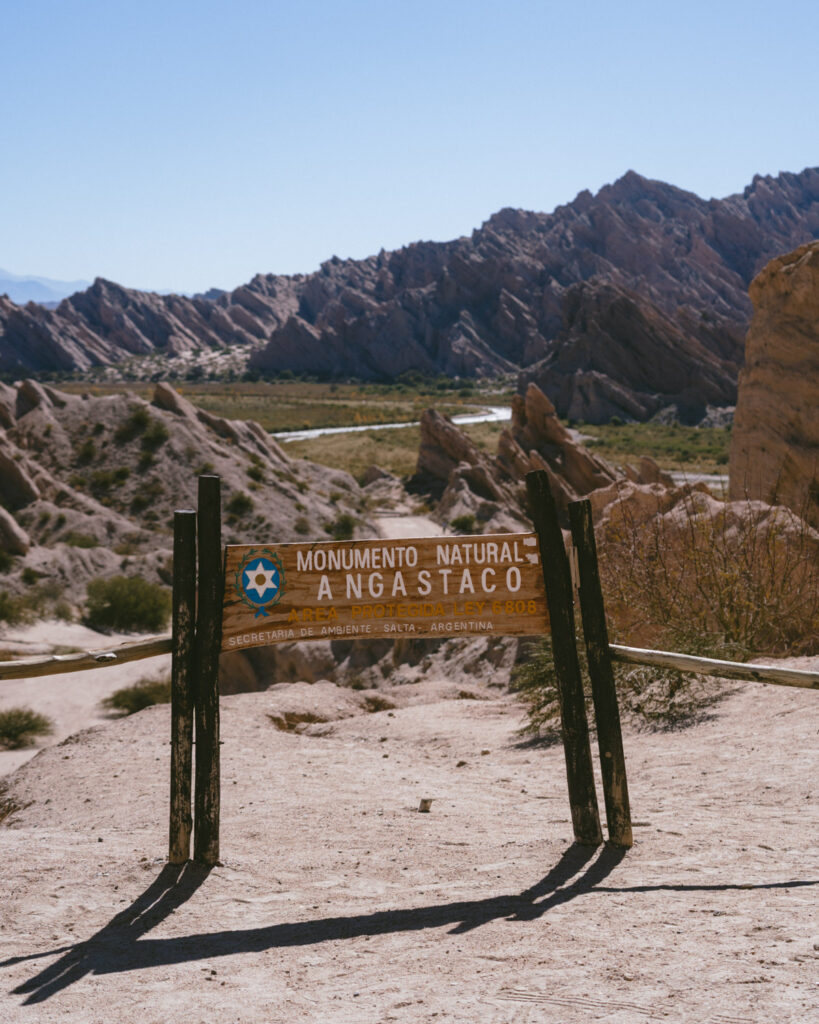
- 👀 Mirador Monumento Natural Angastaco: another pullout to appreciate the view, this stop takes in more of the valley and Rio Calchaqui.
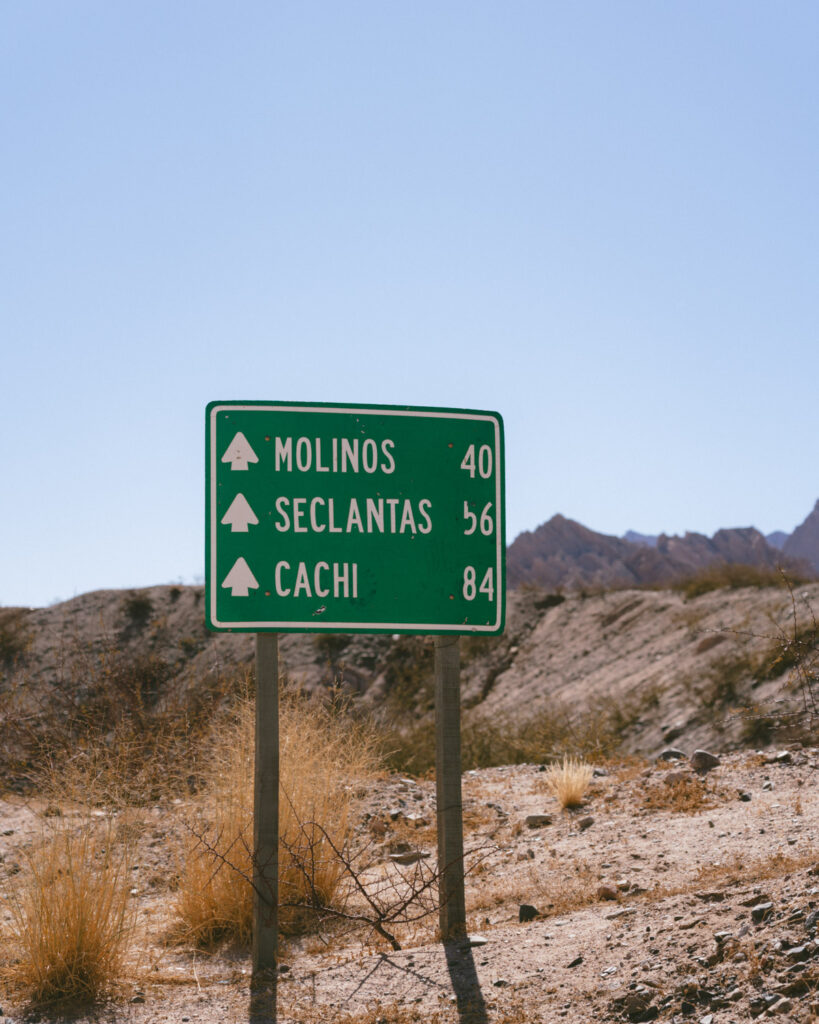
There are a few small towns that you can detour off Ruta 40 to explore or stop for lunch. We honestly didn’t have the time, with short daylight hours in winter and the slow pace we were driving, we almost ran out of light. If you’re quicker than we are, you can check out Angastaco, Molinas and Seclantas.
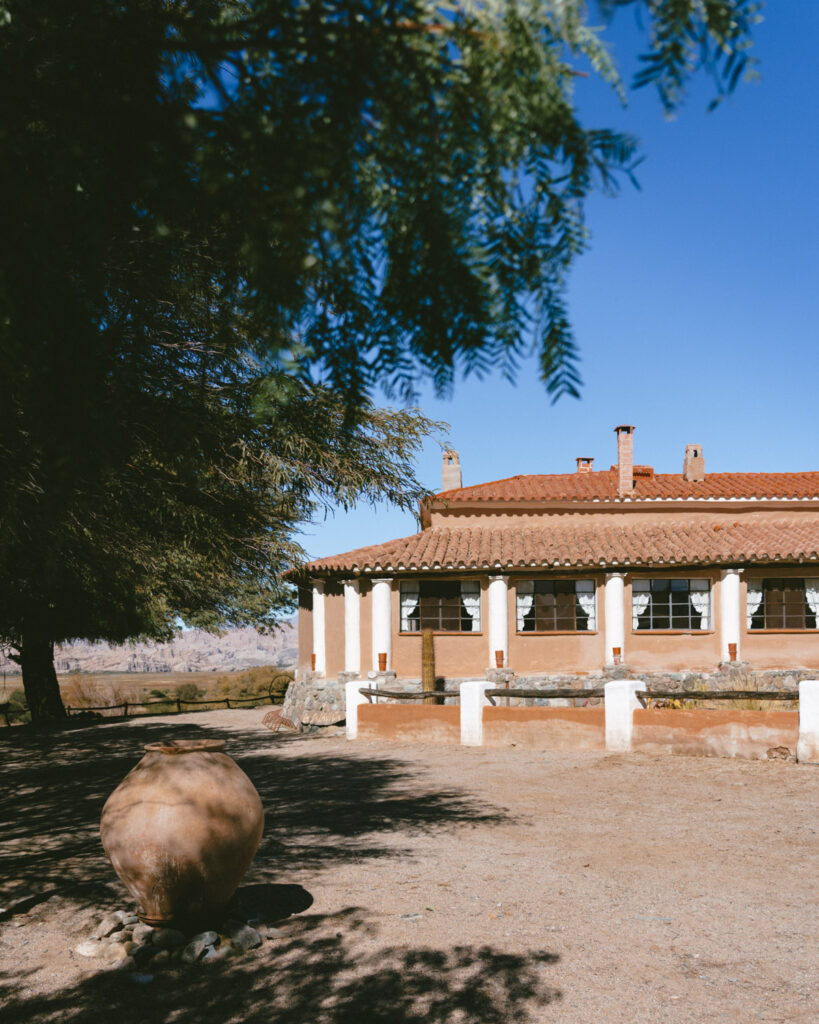
We did stop for lunch at Finca El Carmen, a very picturesque and interesting hotel / restaurant / museum / bodega right on the road. We had a filling milanesa, which was great fuel for the rest of the drive!
Approaching Cachi, the landscape changes again, with giant cacti reappearing, steeper drop-offs down into the Calchaquí River valley and mountains all around.
There is no denying the scenery is spectacular, but we couldn’t have been happier to see the tiny town of Cachi appear ahead of us after a long day on the road.
Stop 3: Cachi
🌛 How many nights to spend: 2 – 3 nights
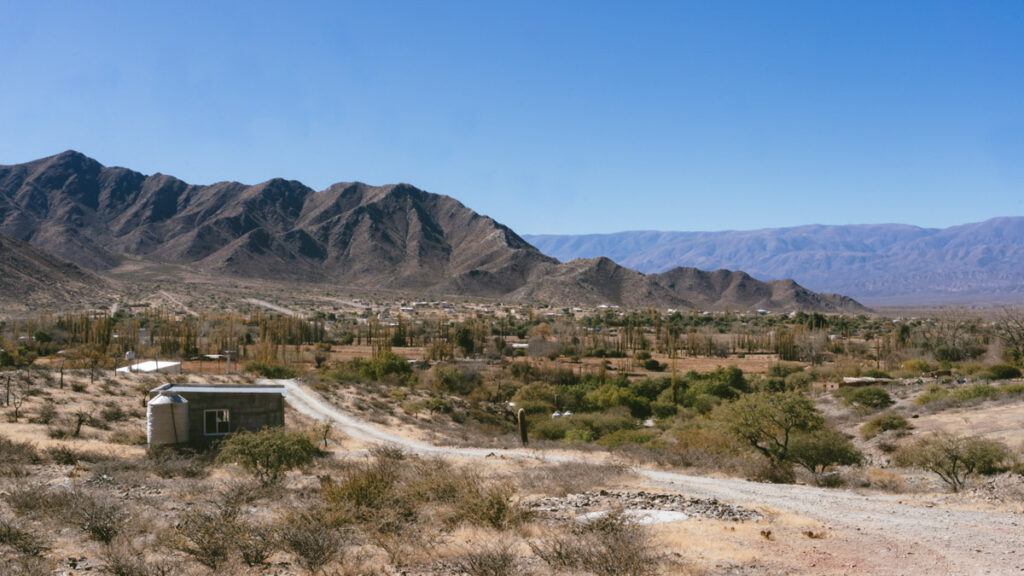
Oh Cachi, you absolutely took my breath away. Literally! This town sits at 2,531 m, and the altitude forces you to slow down and align with Cachi’s laidback pace.
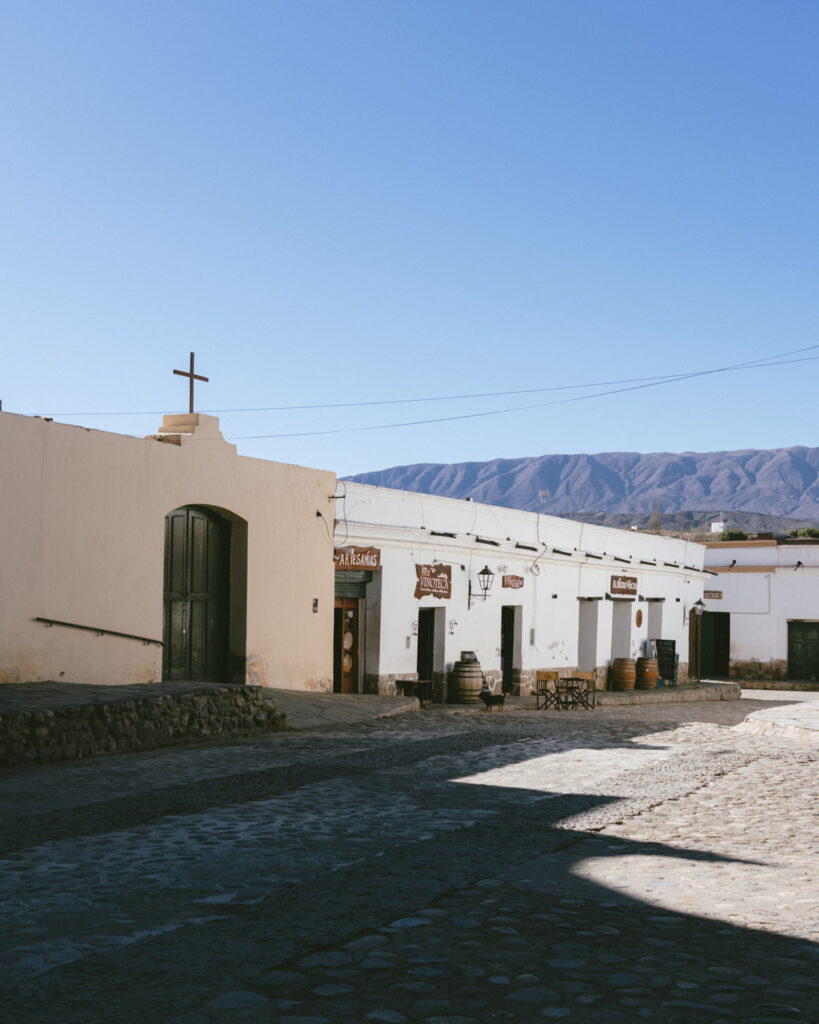
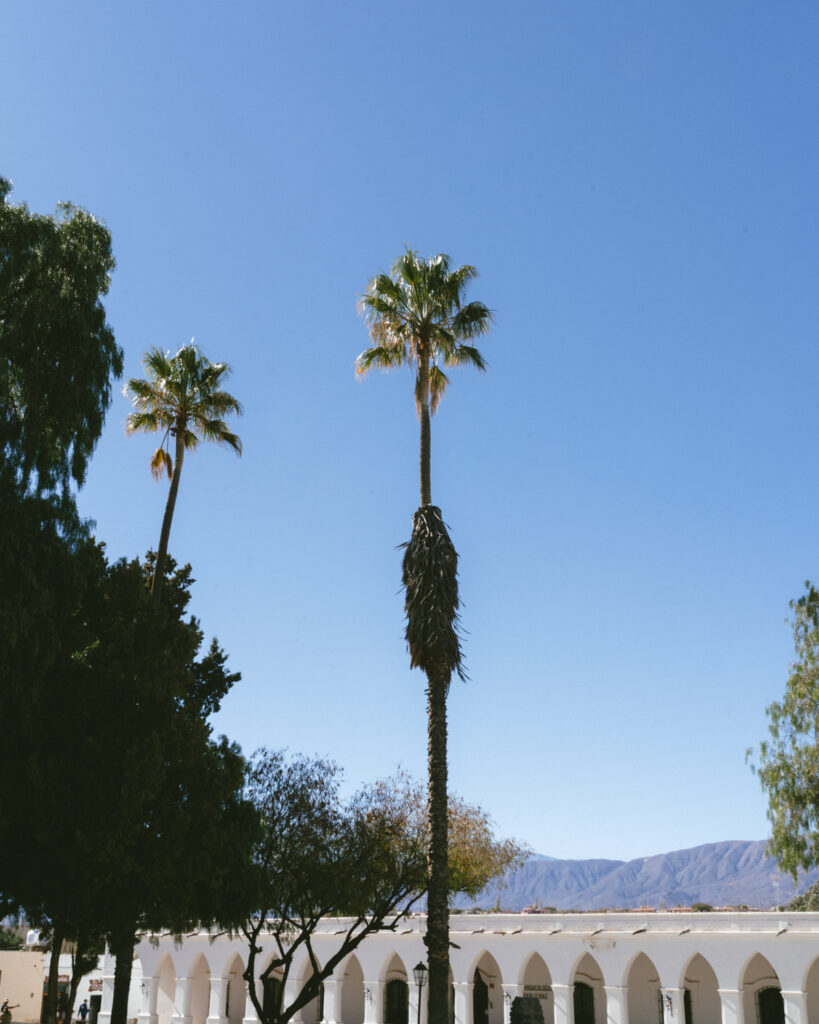
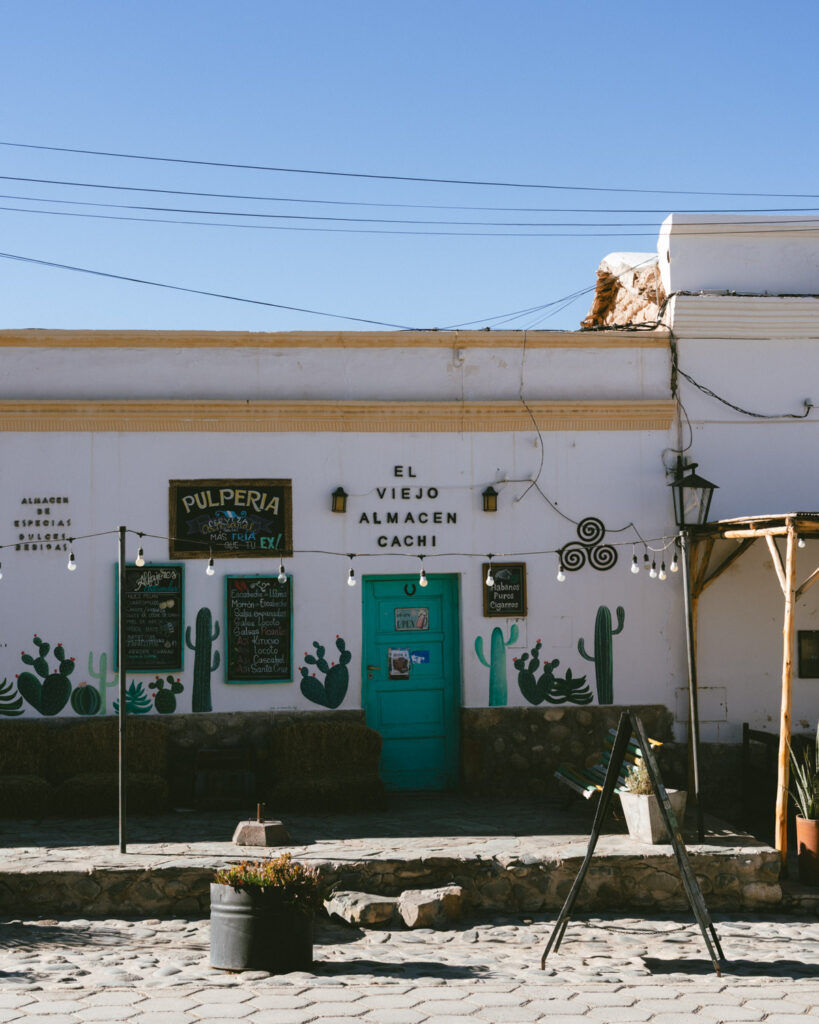
It’s a tiny town, but it is seriously charming and we fell immediately in love with it. The whitewashed adobe buildings, the leafy central plaza, the cobblestone streets and nearly 360° mountain views, we adored everything about Cachi.
There are more wineries, of course, to while away a sunny afternoon with a glass of malbec or torrontes, lots of local life and happenings around the plaza for people watching with a coffee, and generally gorgeous streets to wander.
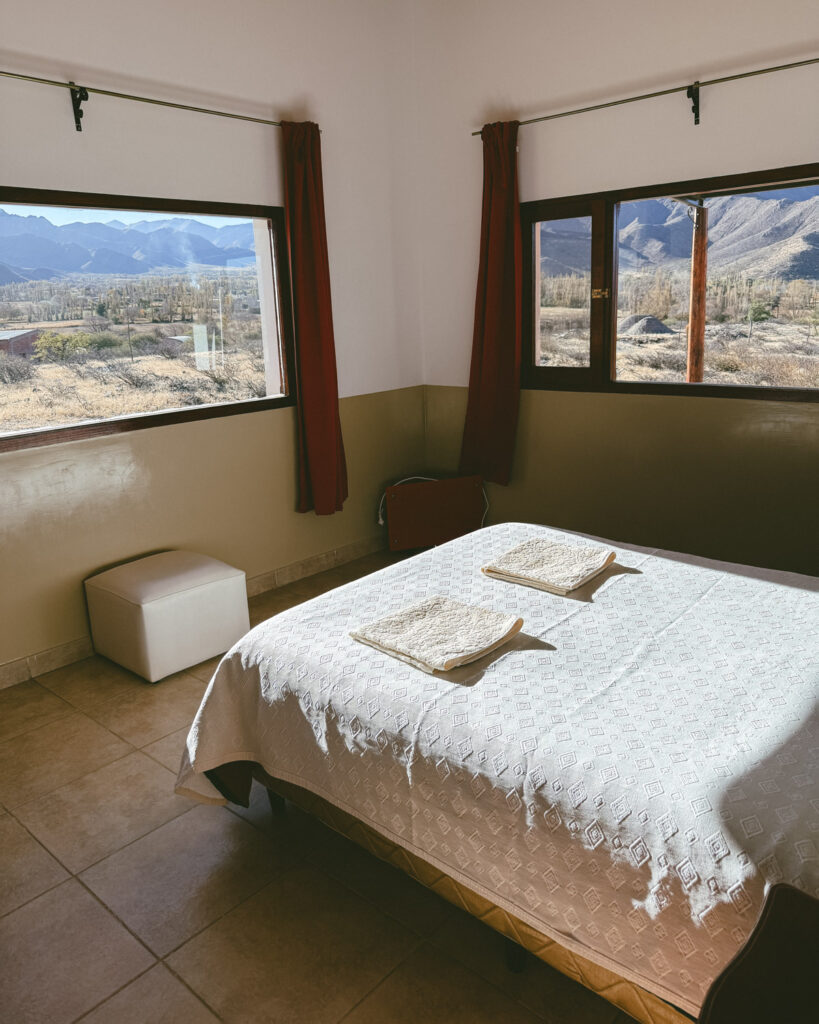
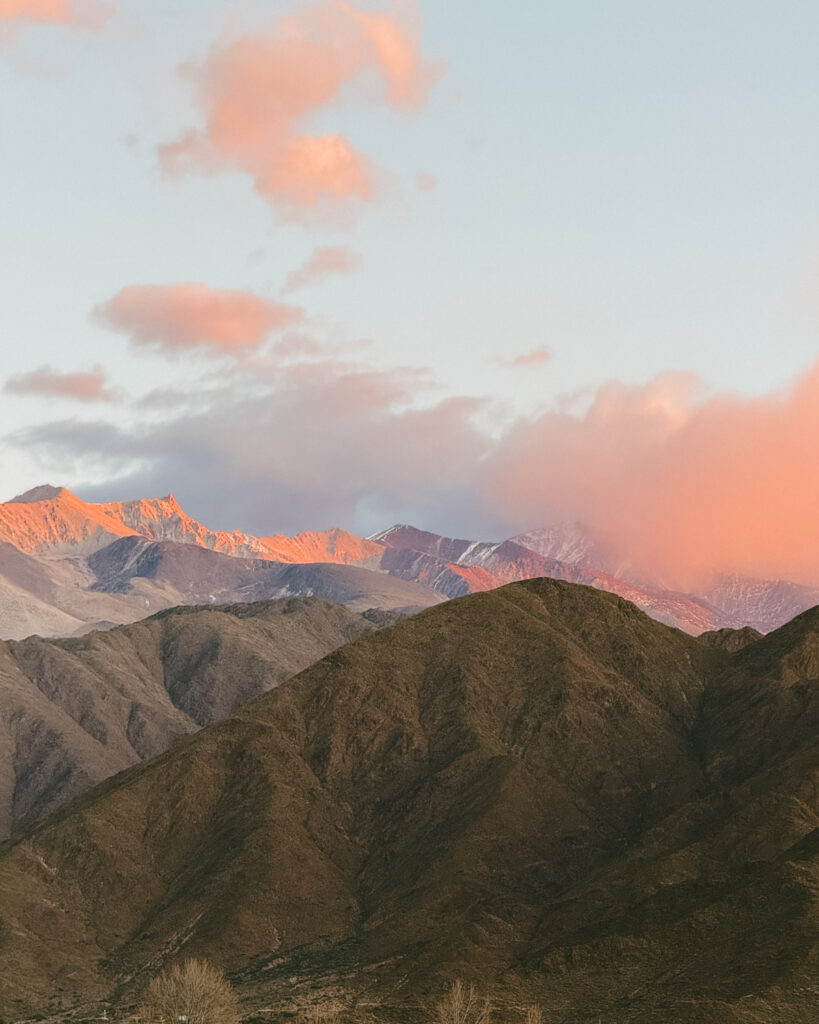
While there really aren’t that many attractions or activities, Cachi is an immensely lovely place to just be. Given you’ve got a car and can stay on the outskirts of town, book a cabaña with mountain views, and enjoy a daily sunrise from your bed like we did, or a sunset on your patio.
Best things to do in Cachi
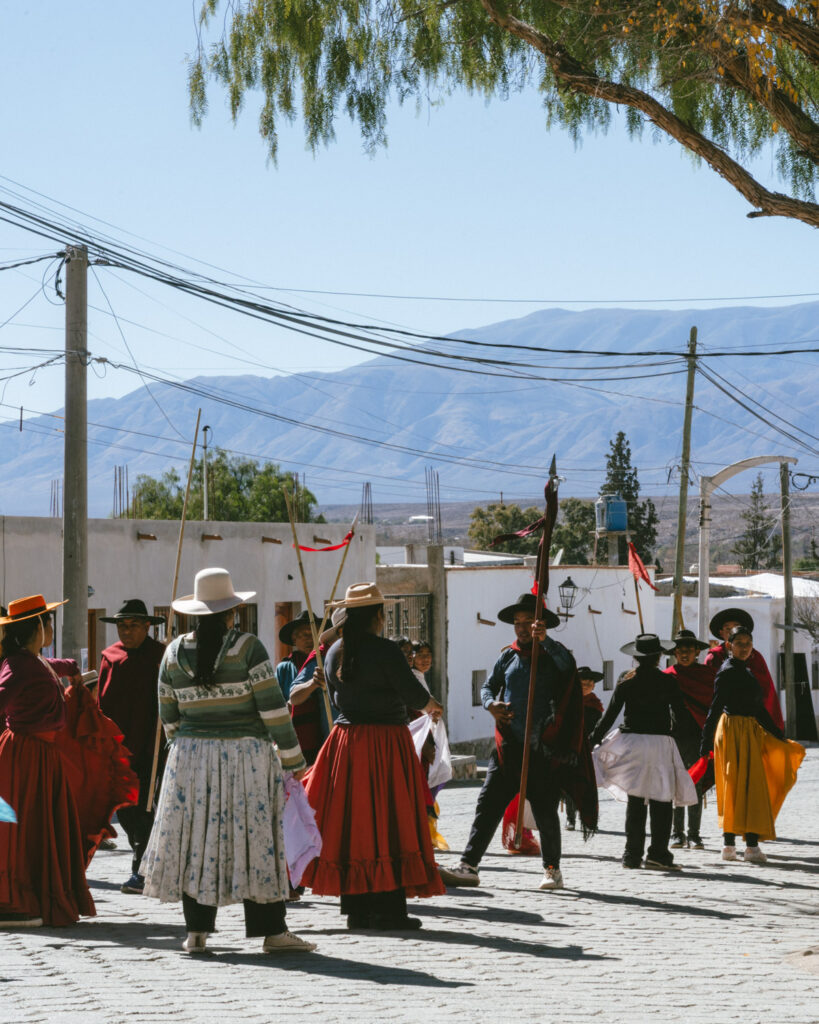
- ⛪ Explore Cachi town: I think Cachi is the cutest town we visited in all of Argentina. I absolutely adored it, it was just so lovely. The leafy plaza was full of local life, the cobblestone streets and adobe buildings were gorgeous, and the mountains looming overhead were spectacular. Dedicate a morning to getting lost around Cachi, having a coffee in the sunshine in the plaza, and just wandering aimlessly.
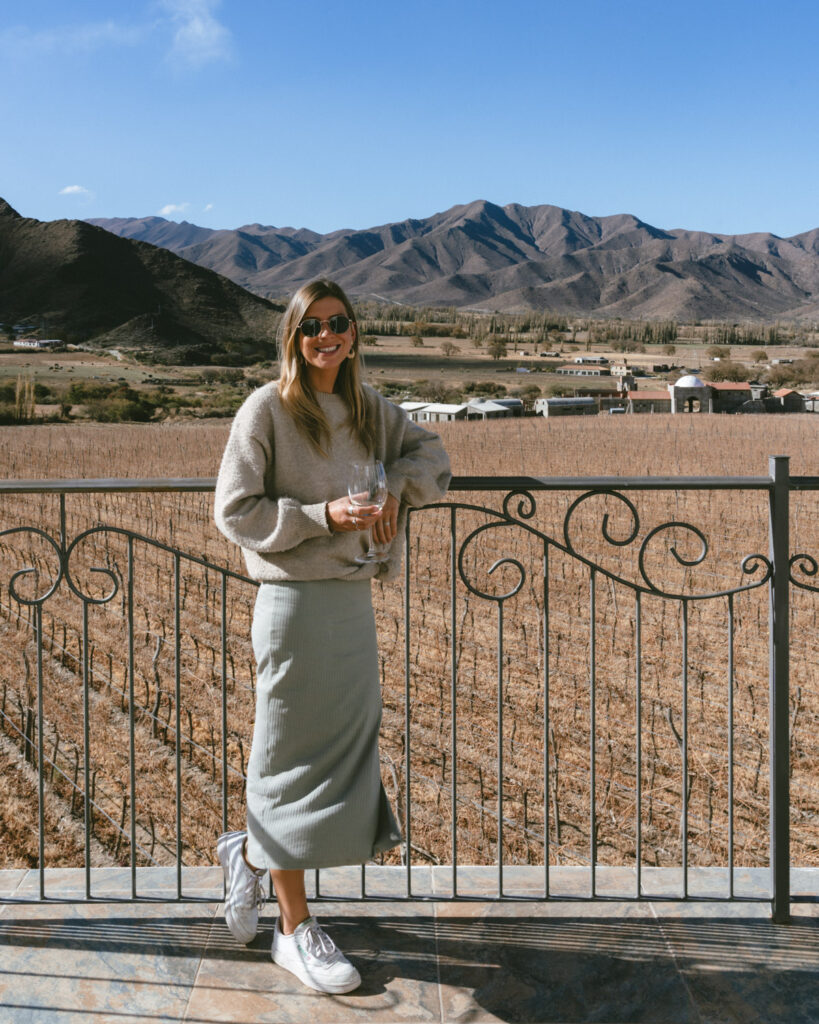
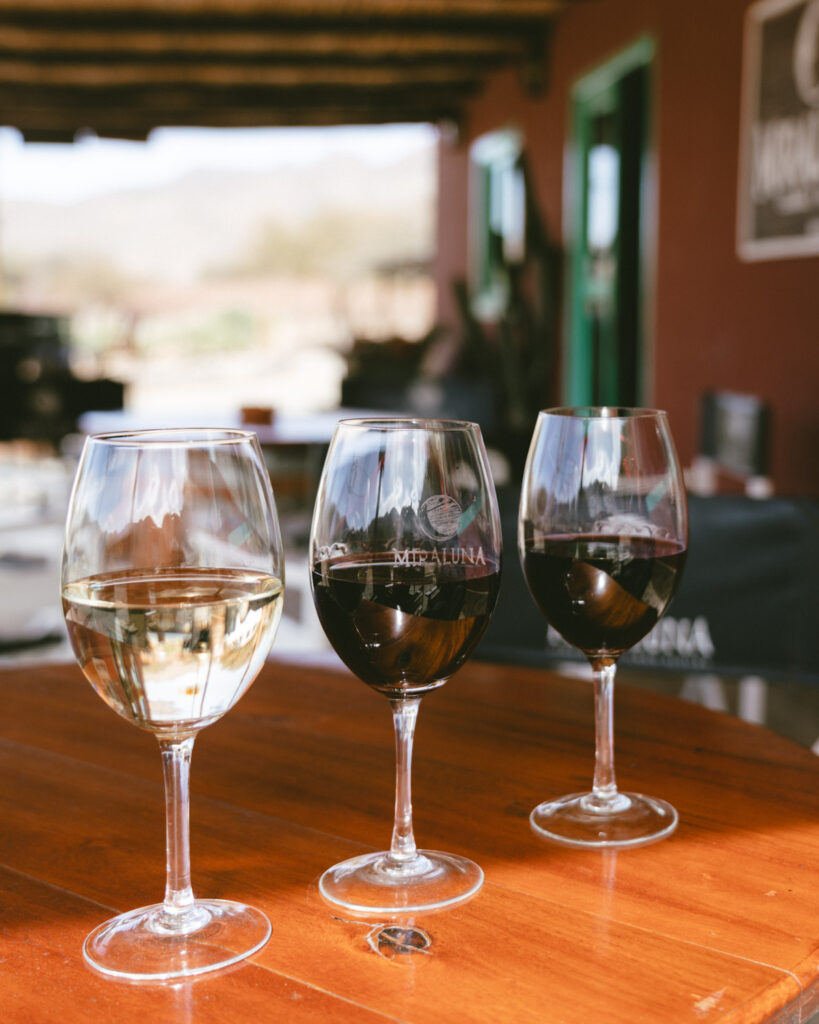
- 🍷 Winery hop: similar to Cafayate, Cachi is also a popular wine town with various bodegas scattered around the area. There aren’t as many to choose from, and they have shorter hours, so you need to plan carefully, but I’d suggest organising tastings at a couple, plus a lunch at Bodega Puna. We loved Bodega Miraluna outside of town, with vines surrounded by cactus and very generous tasting sizes. Bodega Nueve Cumbres is just on the outskirts of town, and they offer tastings and tours.
- 🥾 Cuevas de Acsibi: we didn’t end up doing this, but I regret it a lot! About an hour south of Cachi (back on bumpy Ruta 40) is this set of caves, hidden away in a picturesque red rocky canyon. They’re on private property, so you need to go with a guide, which you can coordinate with Finca Montenieva.
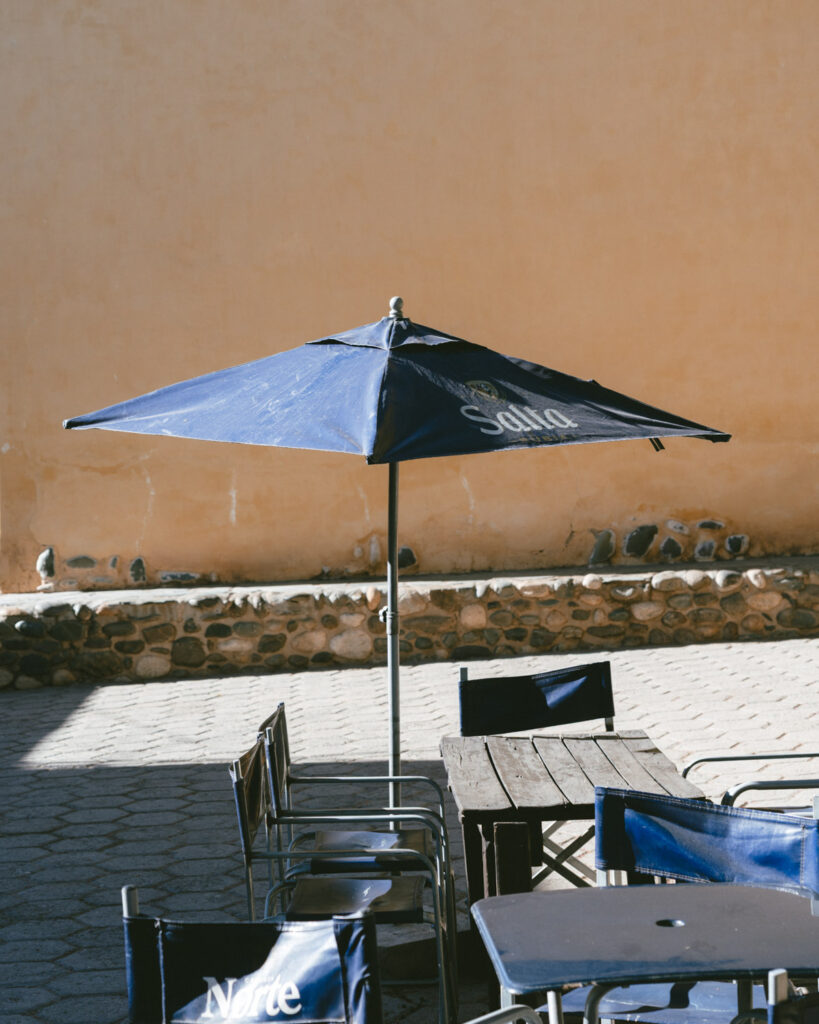
- 🛸 Ovnipuerto and Mirador Norte: there is a very peculiar art piece by a local artist, a UFO landing pad on a hill made of rocks. It’s hard to appreciate unless you have a drone (or are in a UFO), but it’s a nice place to overlook town. There is also another mirador, Mirador Norte, just above the town, with the local cemetery too.
- 😌 Do nothing: I don’t know what it was about Cachi, maybe the altitude (> 2,500 m), but it was the perfect place to slow down, relax and do not much. We spent a very few lazy days ambling around in the sunshine, sipping coffee, drinking wine and being constantly wowed by the views in every direction.
Best places to eat in Cachi
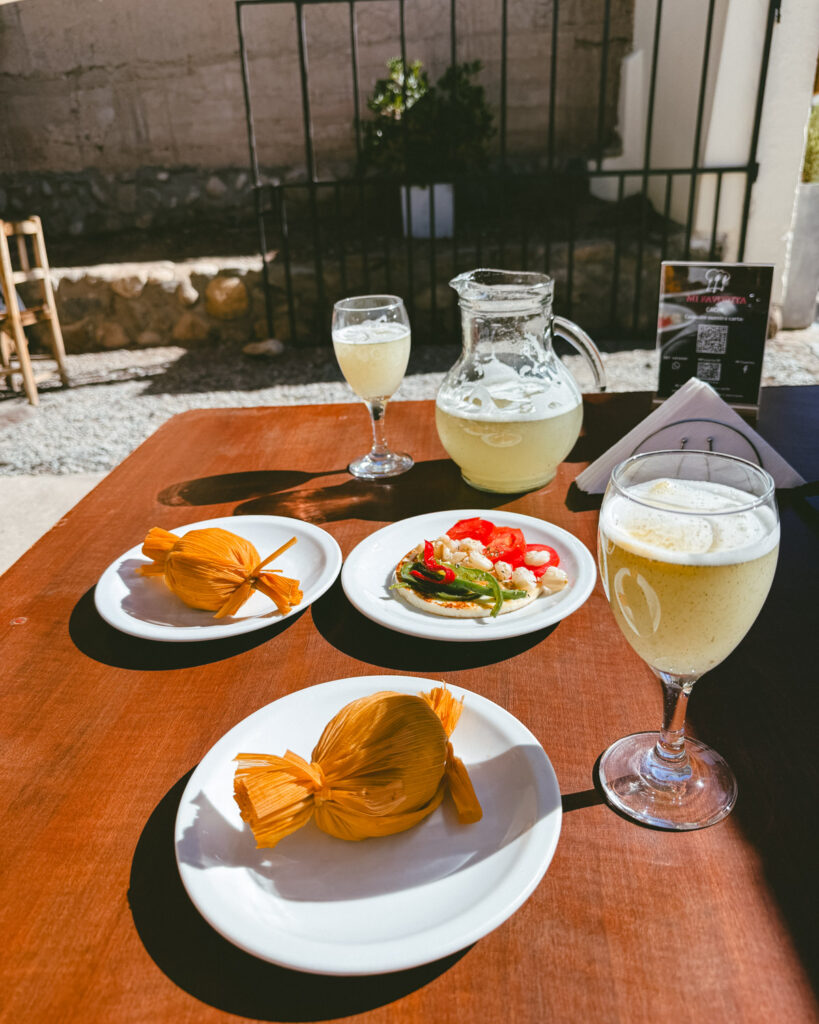
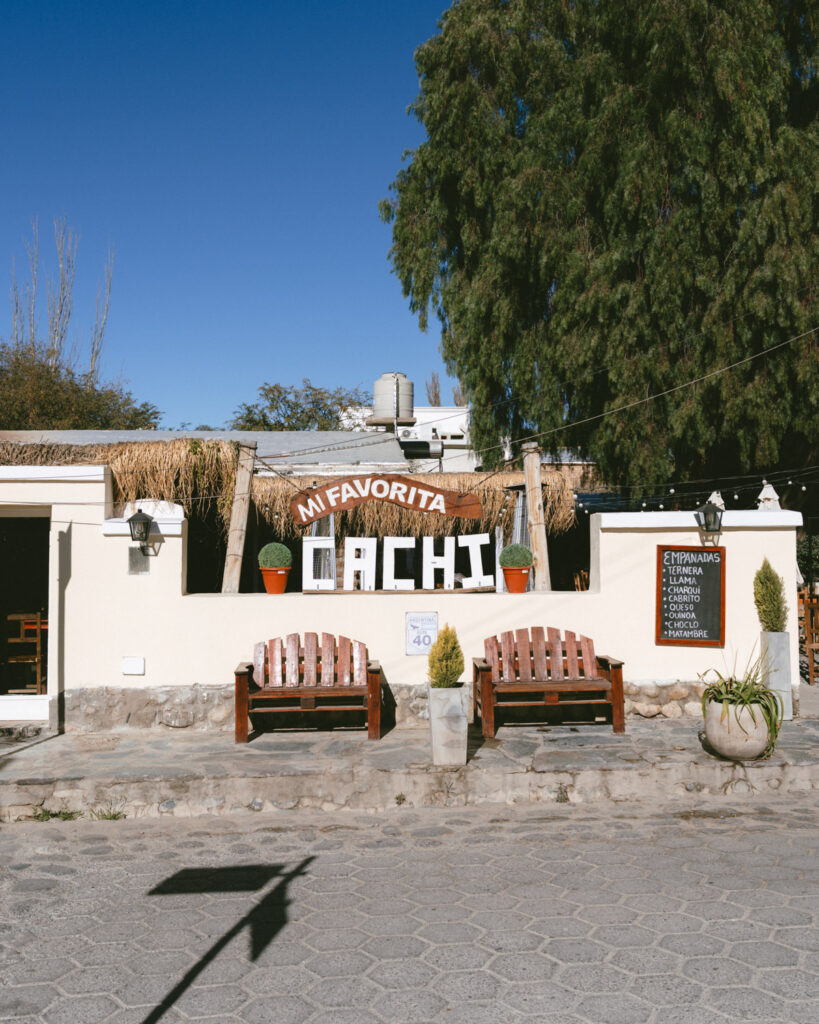
- 🥟 Mi Favourita Cachi: excellent restaurant just off the square. It seems like the go-to spot for day tours, which means it is reliably open. Usually, this means the food is average, but we thought it was great, with very, very affordable prices and amazing service. All the local favourites, empanadas, tamales, etc.
- 🥐 Panaderia La Espiga: the best bakery in town with some of the best medialunas we had in Argentina! Grab a bunch and sit in the plaza for an easy and tasty breakfast.
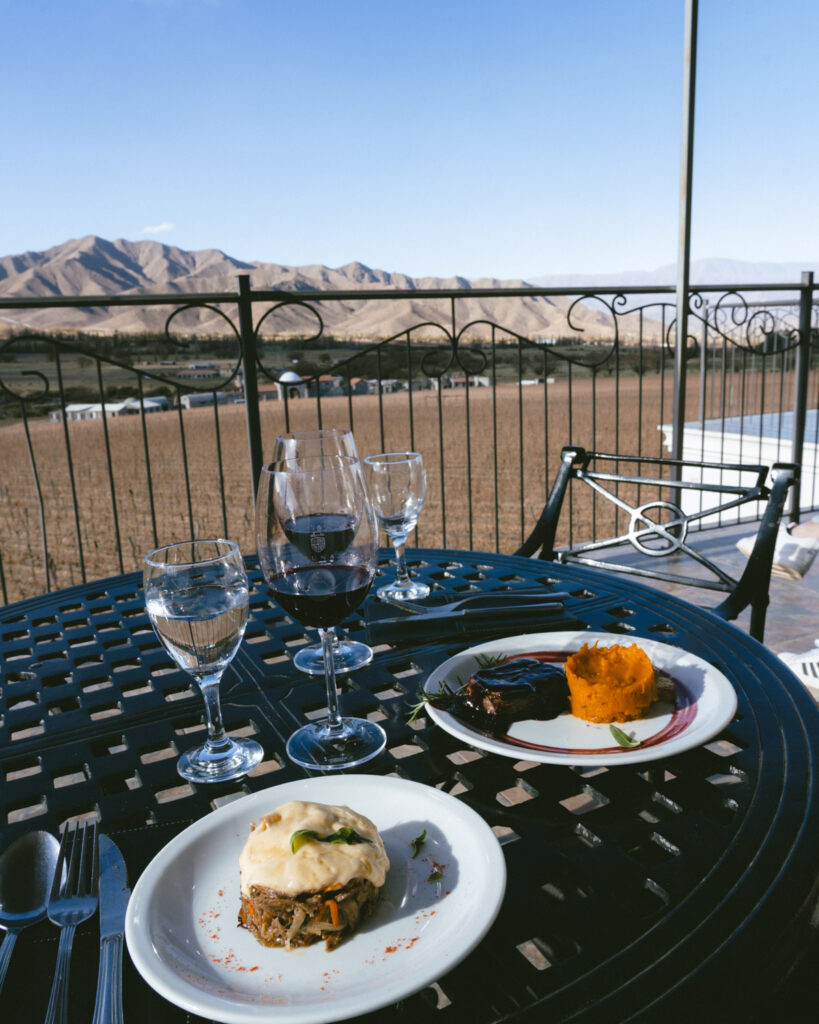
- 🍷 Bodega Puna: one of the best wineries in the area, Bodega Puna offers a multi-course lunch with paired wines. It’s amazing value, the setting is beautiful, the food was great, and the wine went down a treat.
- ☕ Restaurante Oliver: there aren’t really any dedicated ‘cafes’ in Cachi, but this all-rounder on the plaza served up pretty decent coffee and a nice breaky combo. Sitting next to the plaza in the sunshine was a beautiful way to start the day! They’re also open for lunch and dinner.
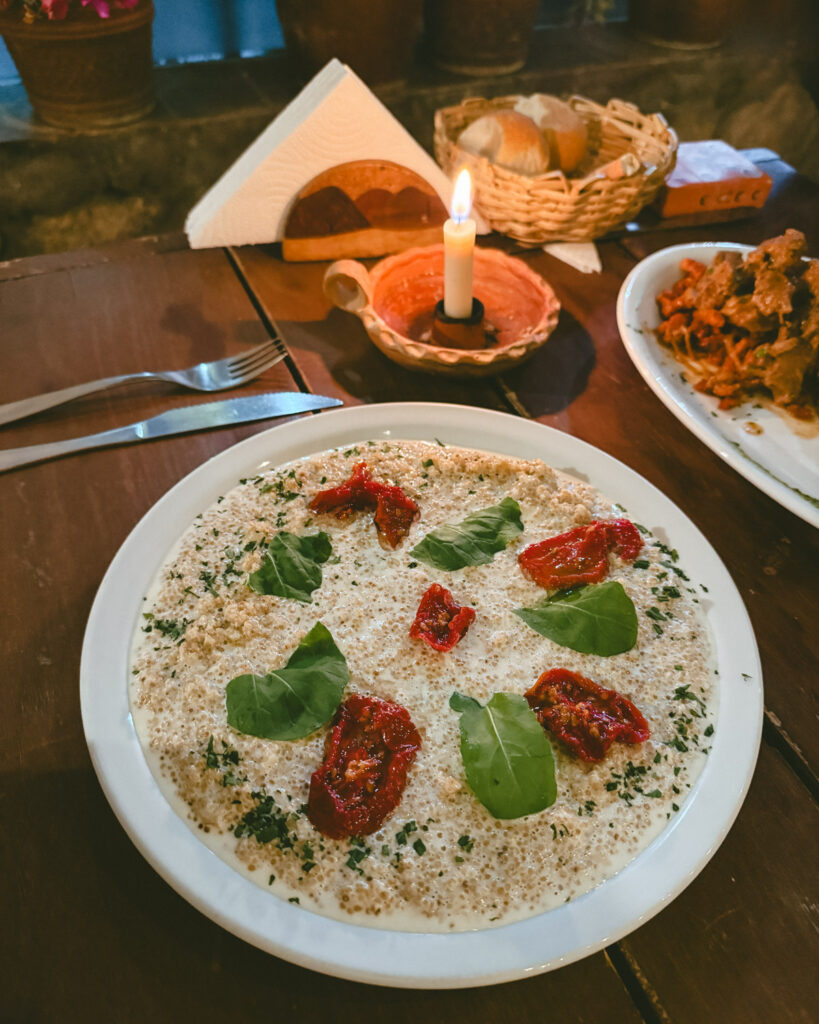
- 🍝 Oveja Negra: this place was a bit of a letdown for us, but I think we just visited on an off day, as it’s consistently rated very highly. Homemade pasta, with a variety of flavours of ravioli and sorrentinos.
Where to stay in Cachi
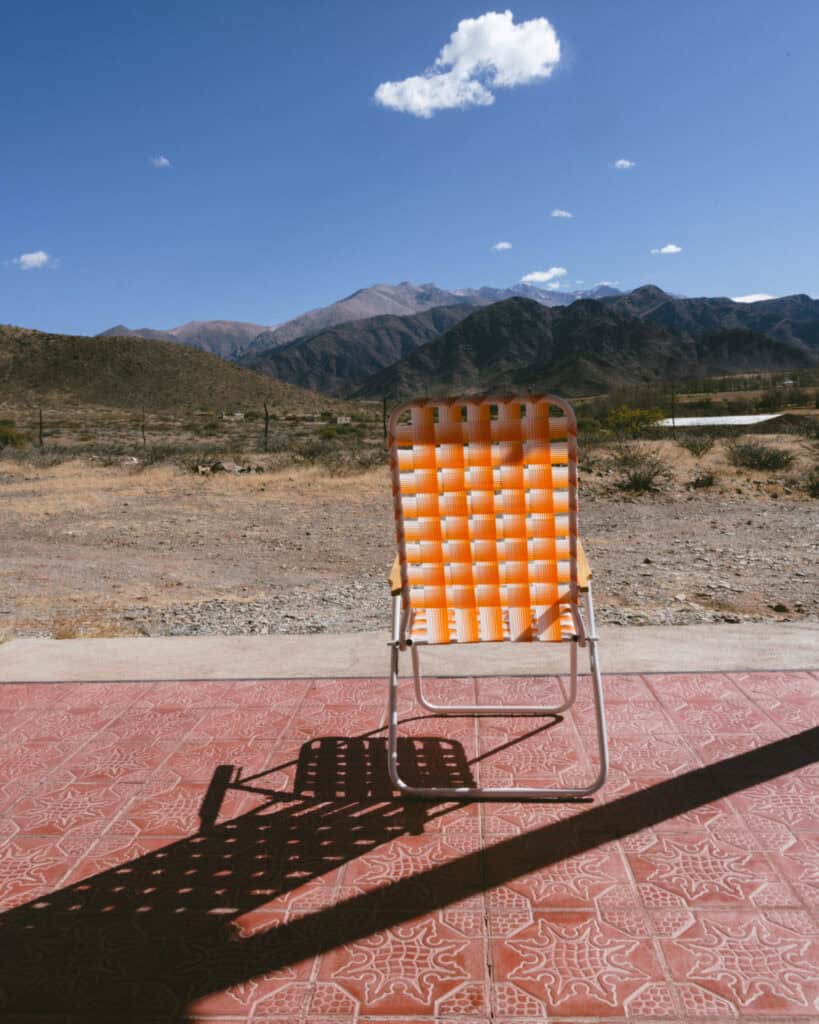
Cabaña Puertas del Cielo
Cachi to Salta: Ruta 33 & Parque Nacional Los Cardones
- 📏 Distance: 163 km (101 mi)
- 🗺️ Time according to map: 3 – 3.5 hours
- ⏰ Real time with stops: 5 – 6 hours
- 🛣️ Road condition: paved almost the entire way, except the Cuesta del Obispo
I think the drive from Cachi to Salta was the prettiest of them all!
The landscapes here vary so much, and in just a few hours, you’ll pass more than three different ecosystems. On this drive, you’ll experience endless plains full of cactus, climb to over 3,200 m above a valley full of clouds, wind through mountains so red they look fake, before descending into a moist, green forest. Mind-boggling!
💡 It is possible to drive from Cachi into neighbouring Jujuy, but then you would miss this part of the road trip, and you don’t want to do that! I think a Salta road trip should be planned separately from a Jujuy road trip, or at least have another pitstop in Salta City before heading north, so you complete the Salta loop.
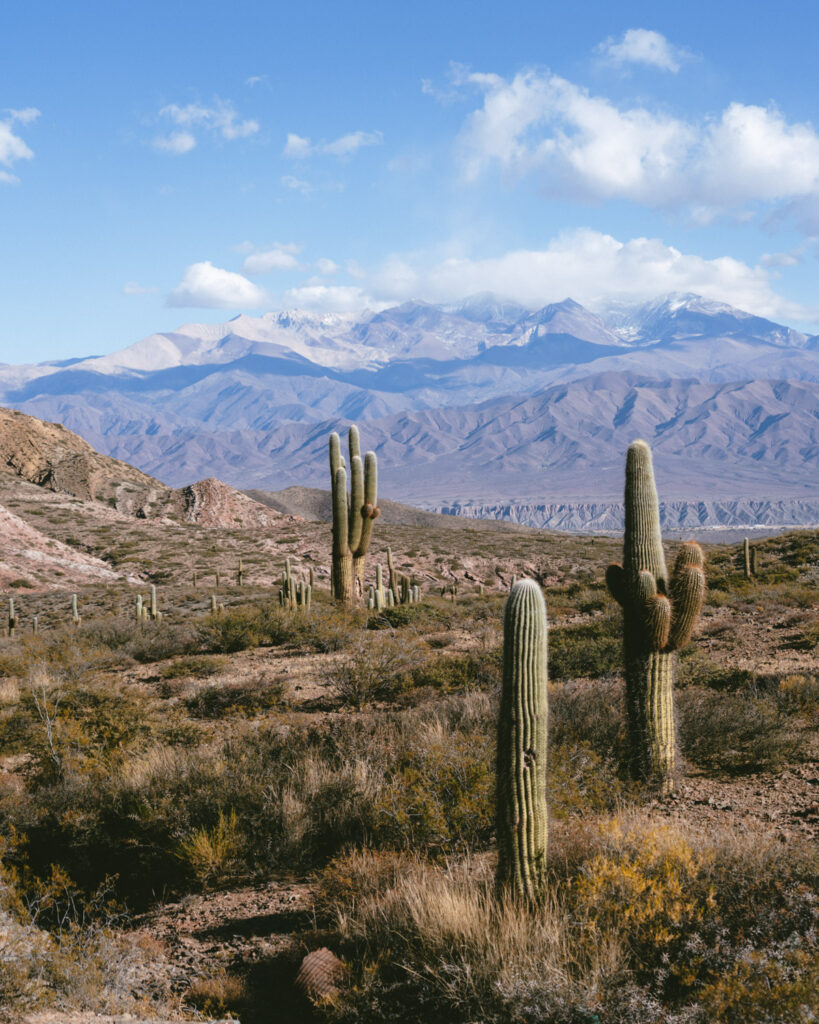
The first (and in my opinion the best) part of this drive passes through Parque Nacional Los Cardones, a national park protecting a huge population of cardon cactus, the biggest cactus in the world. With a panorama of mountains in your rearview mirror and thousands upon thousands of giant cardon cacti spread out in front of you, it’s epic.
There are a few stops you’ll want to make inside the bounds of the park, all directly on Ruta 33 and well-marked with signs:
- 🪟 Mirador de la Ventanita de los Valles Calchaquies: one of the most beautiful scenes I’ve ever laid eyes on
- 🌵 Recta del Tin Tin: a stretch of long and perfectly straight road surrounded by cactus
- 🥾 Sendero Secretos del Cardonal: a very short trail through the cactus
- 🦅 Mirador Ojo del Condor: a couple of different miradors with a few short trails
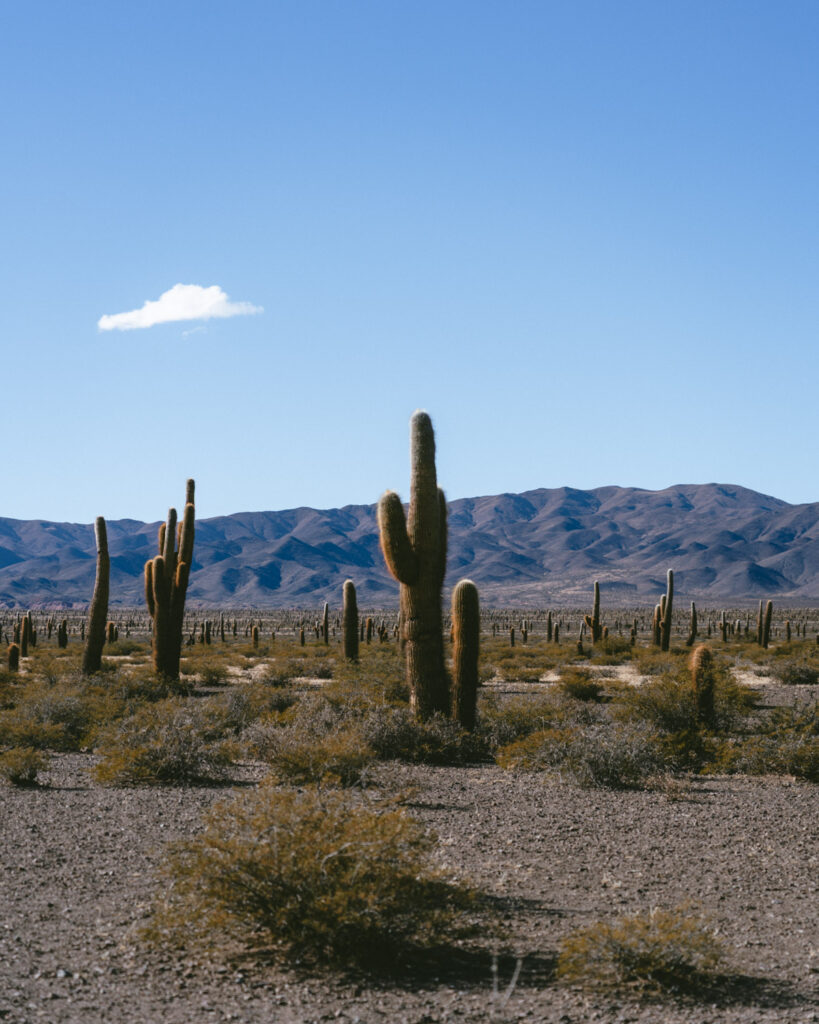
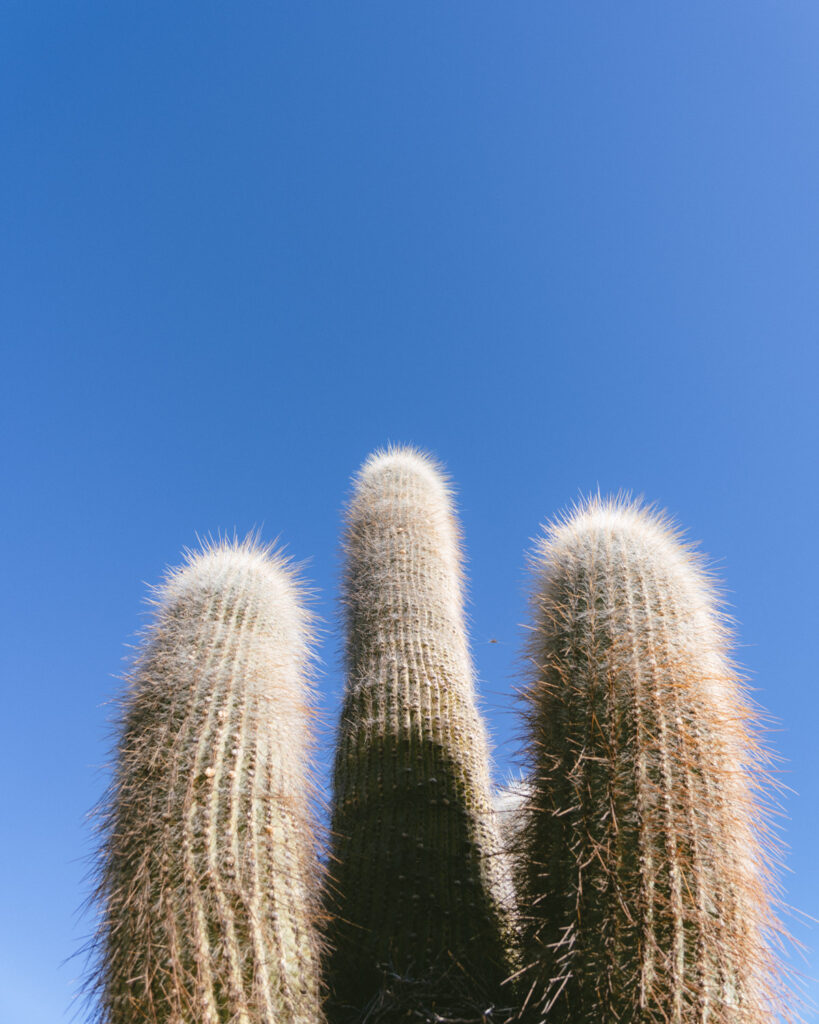
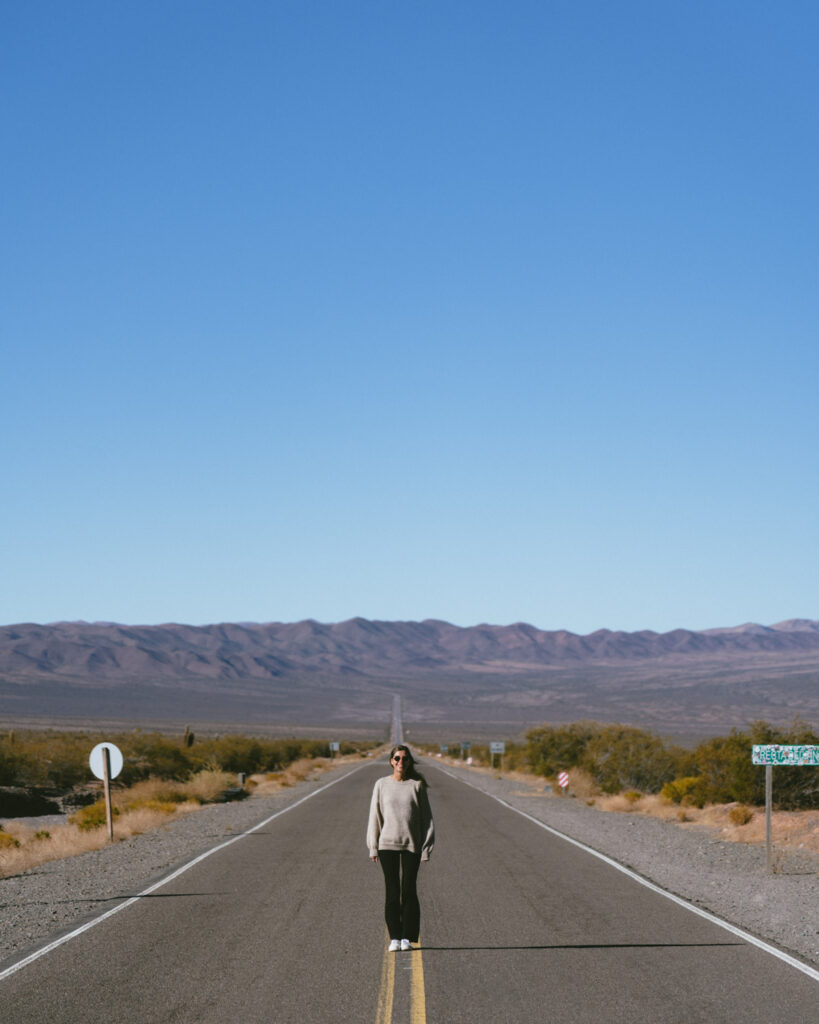
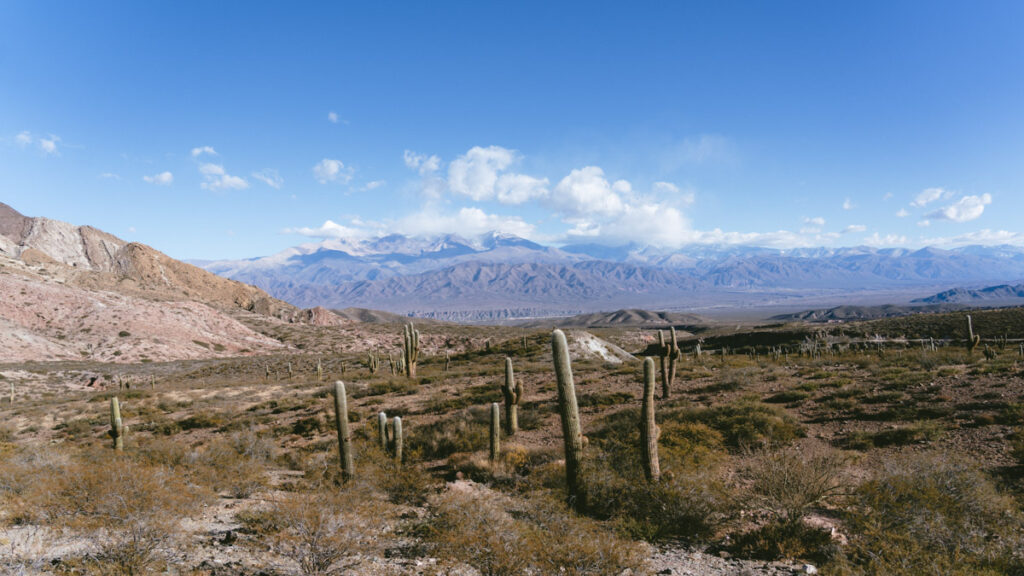
The cacti slowly thin out as the road climbs. You’ll reach the maximum altitude of 3,457 metres at Piedra del Molino, where there is a chapel, Capilla San Rafael, and a mirador marking the point. We were shocked to look down into a valley FULL of swirling clouds.
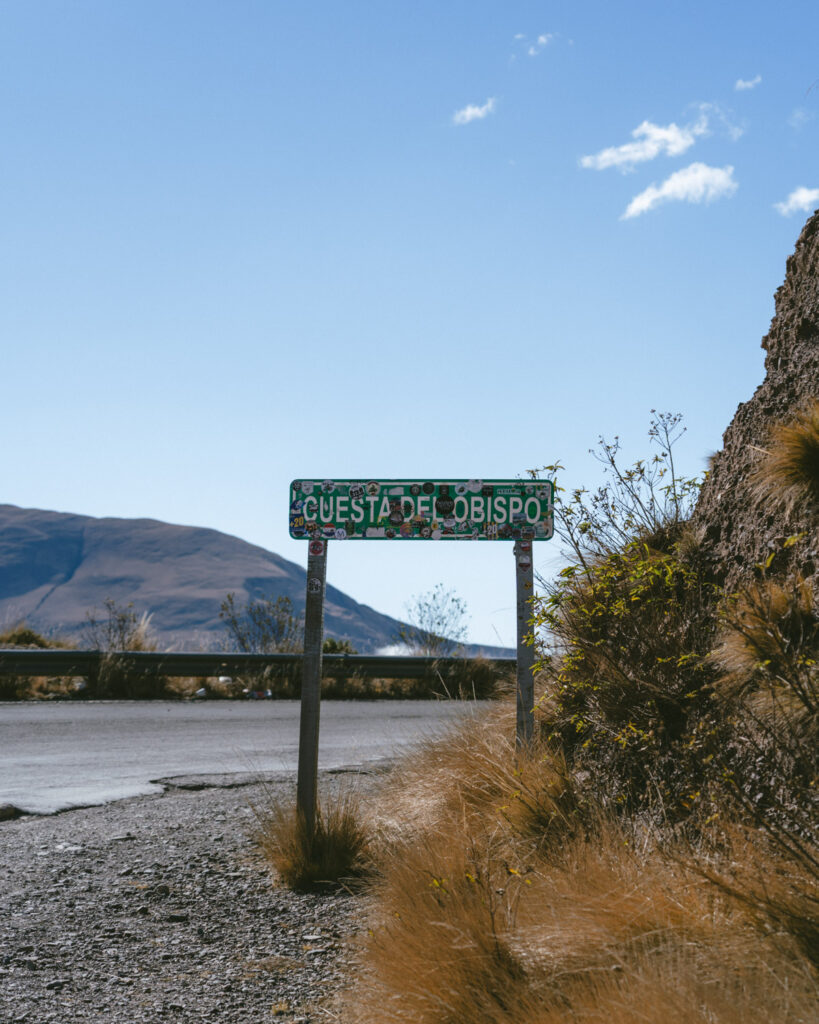
The road turns to gravel at some point around here, as you officially start the Cuesta del Obispo, a ~20 km stretch of winding gravel road, with sharp switchbacks and very steep drop-offs. There is a touristy mirador area (we saw nothing due to the clouds!), with a few stalls selling crafts and local produce.
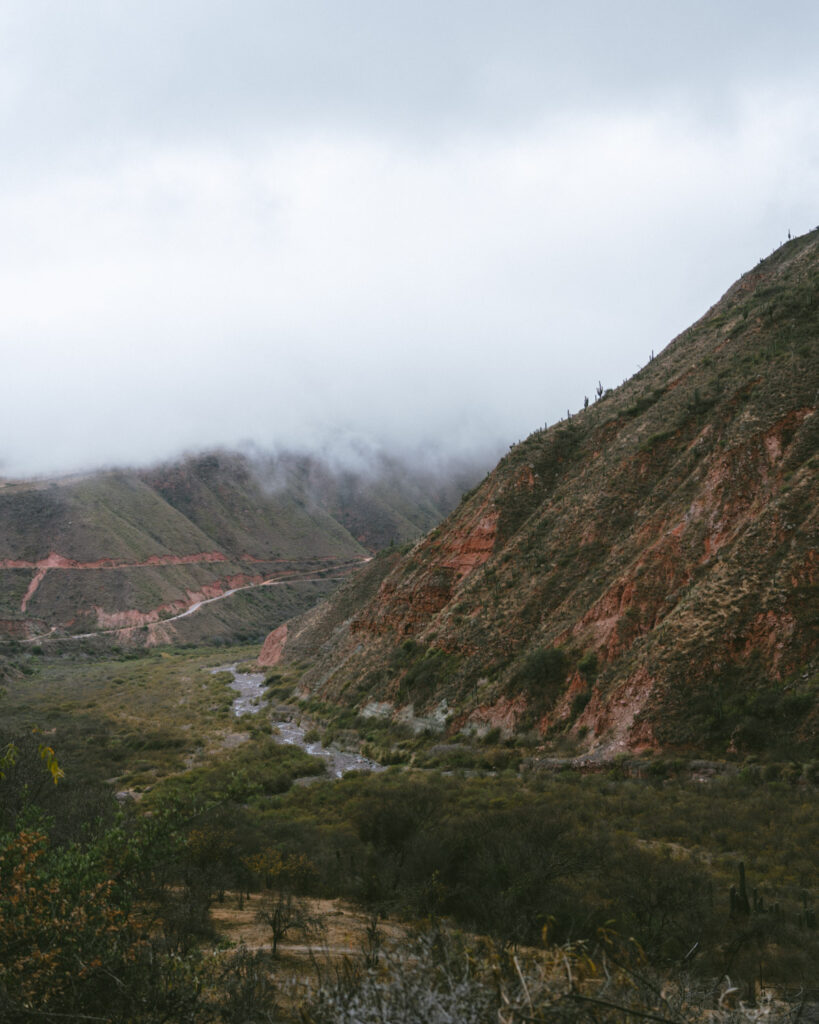
The cloud took over from this point, and it’s not uncommon for this view to be entirely concealed. The landscape turns to grassy hills, with deep canyons carved by water over centuries, and the Rio Escoipe flashing in and out of view.
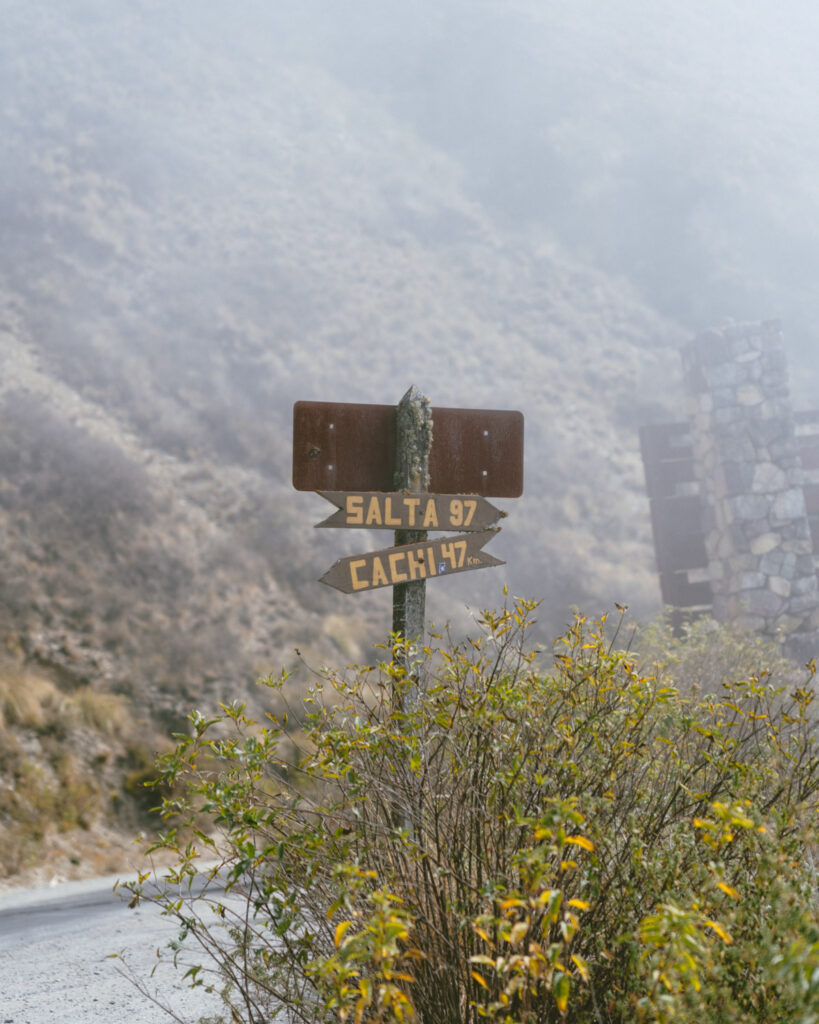
All of a sudden, the rock turns all shades of red and orange, and the cactus appears again in the Quebrada del Escoipe. After countless curves and switchbacks, you’ll reach the ‘pie’ (the foot) of the cuesta, and it’s like entering a moist rainforest! We saw rain for the first time in weeks, and the cloud hung thick in the air.
The trees drip with moss, with greenery everywhere, a stark difference from the dry, vast landscapes you encountered in other parts of Salta.
This is the yungas, which is an uncharacteristically humid, subtropical bioregion on the eastern slopes of the Andes, stretching from Peru and Bolivia into Northwestern Argentina.
The rest of the drive back into Salta is uneventful, as you reach the outskirts of the city and the small satellite towns. We made a pit stop for some cheap and tasty empanadas in Chicoana.
Thanks to Discover Cars, we had arranged to return our car directly to the airport. We booked a 6:00 pm flight to Buenos Aires, the next stop on our Argentina itinerary, which gave us plenty of time to get there from Cachi, with plenty of buffer time for flat tyres or the like.
Salta road trip: A wrap
Our Salta road trip was a stand-out highlight from our two months in Argentina. We seriously loved this region, and exploring at our own pace with a vehicle from Discover Cars was the best way to do it.
The endless sunshine, otherworldly rock formations, diverse landscapes, charming towns, delicious wines, tasty cuisine and Indigenous culture were just some of the reasons we think Salta is one of the best places in Argentina.
Don’t forget about neighbouring Jujuy too, which has similar yet entirely unique high altitude rocky landscapes and even richer Indigenous culture and charming towns. While I don’t think combining these two provinces into one road trip is the best way to do it, you should definitely add on some time in Jujuy before or after your Salta road trip.