
This article contains affiliate links that may earn me a small commission at no extra cost to you. As an Amazon Associate, I earn from qualifying purchases. For more information, see our affiliate disclaimer.
Jagged rock formations rise from vast grasslands, with guanacos grazing freely and pumas hunting from the shadows.
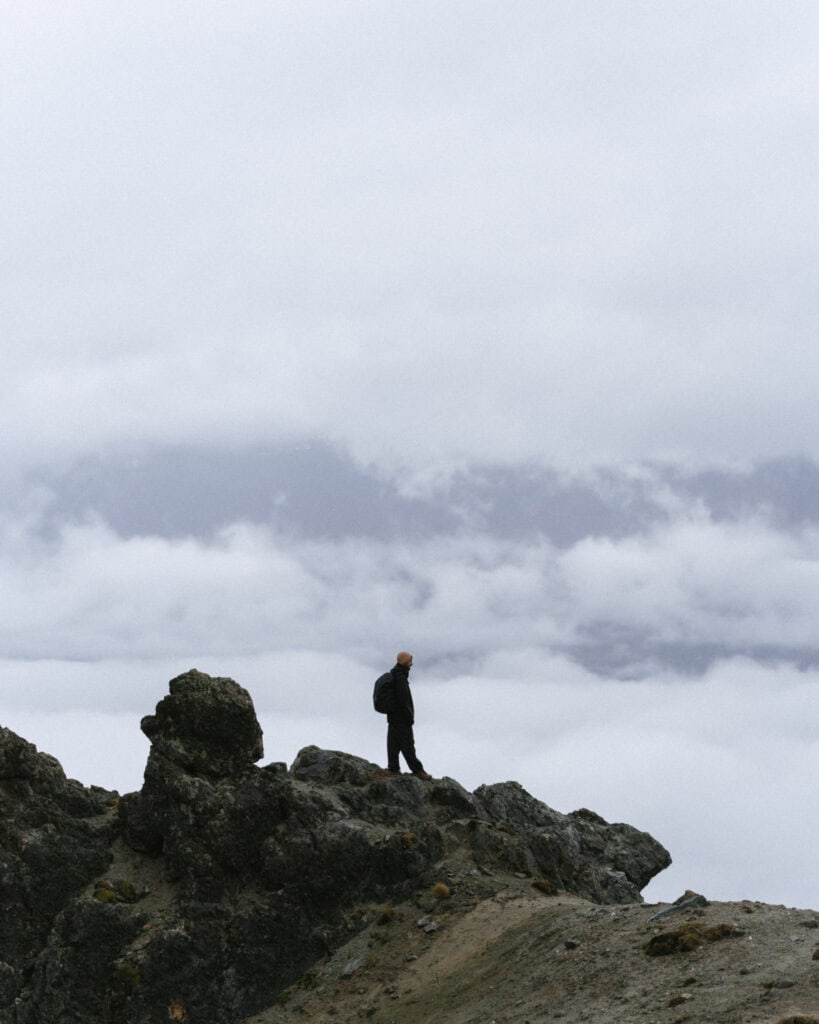
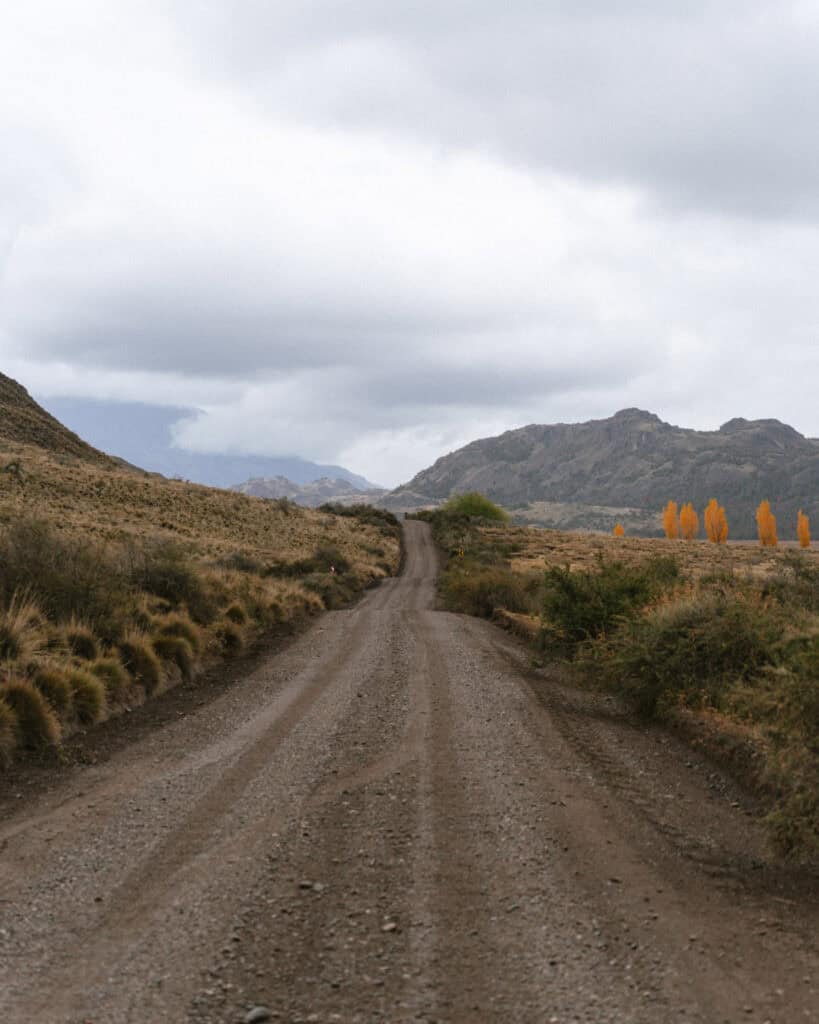
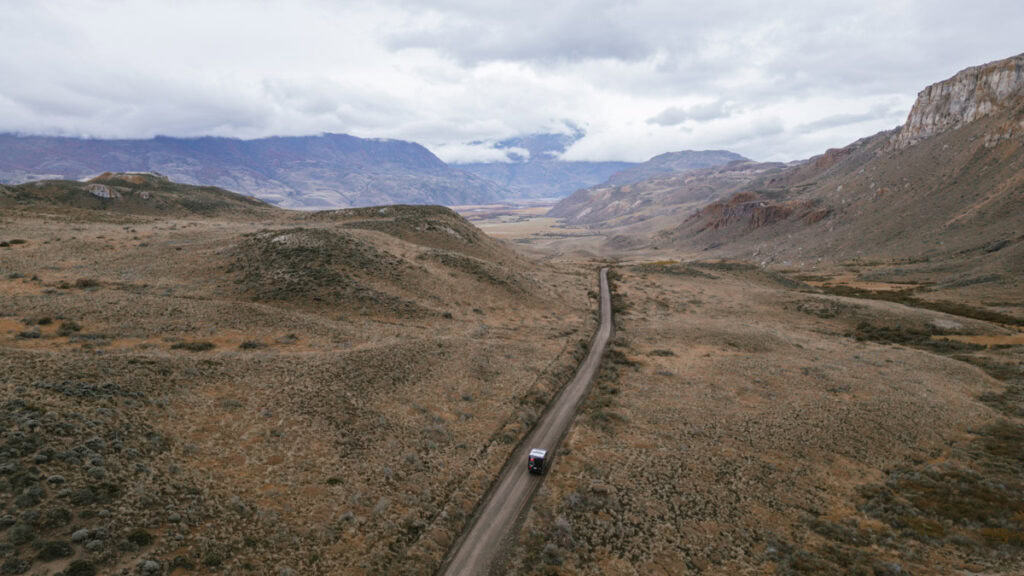
Valle Chacabuco was nothing like what we expected Patagonia to look like. It was more akin to the Atacama Desert than the moist, green forests we’d experienced in other parts of the region.
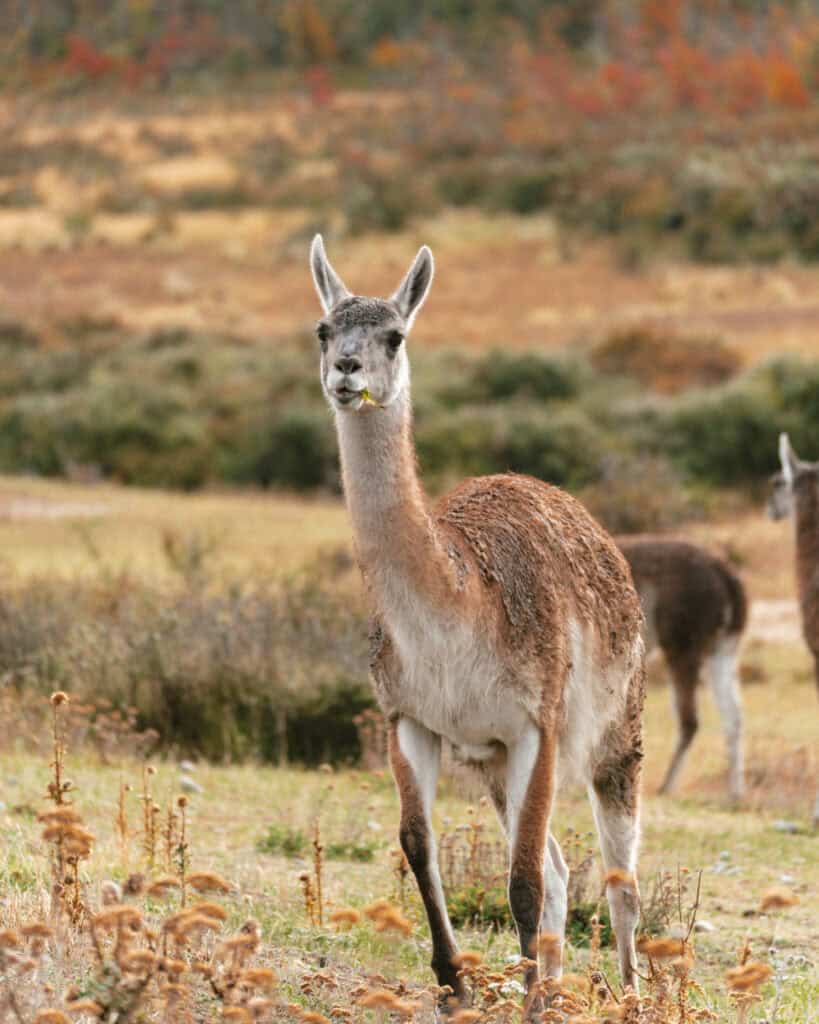
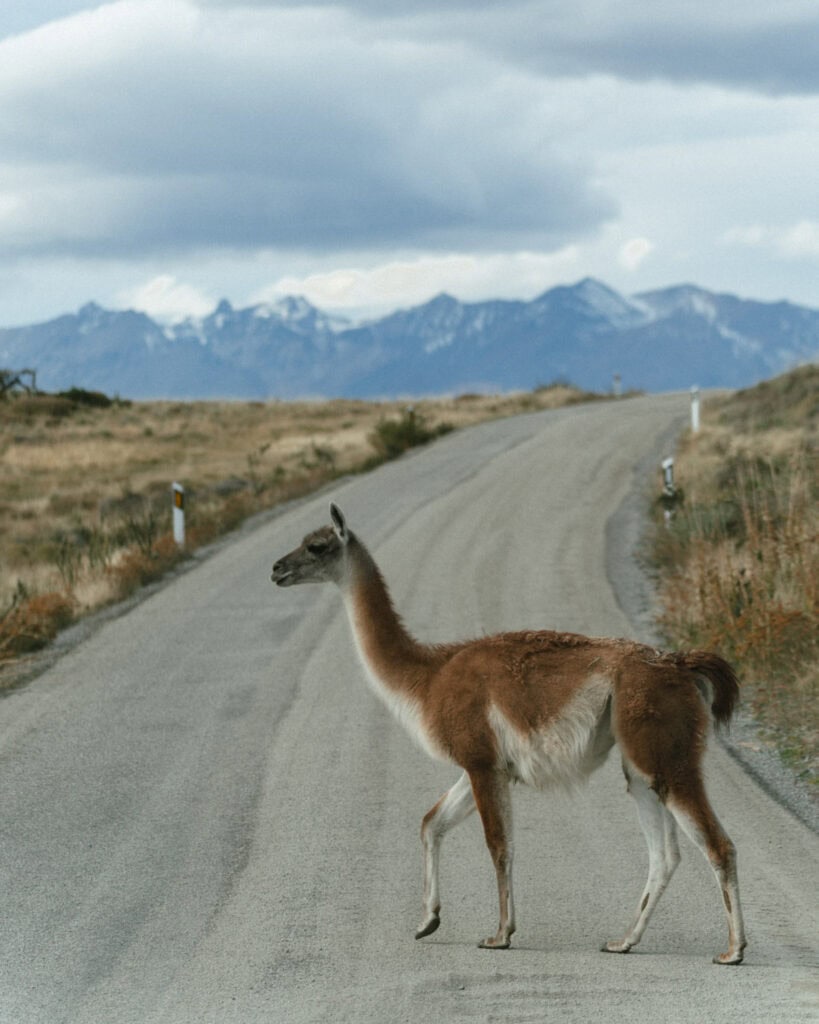
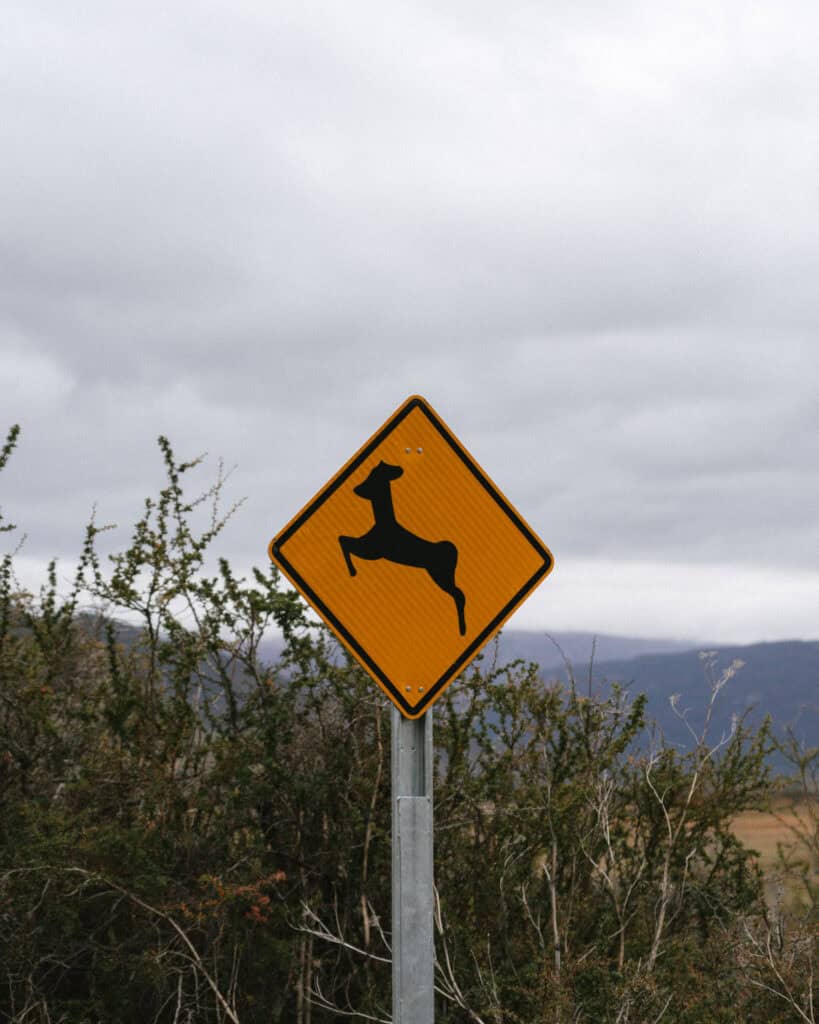
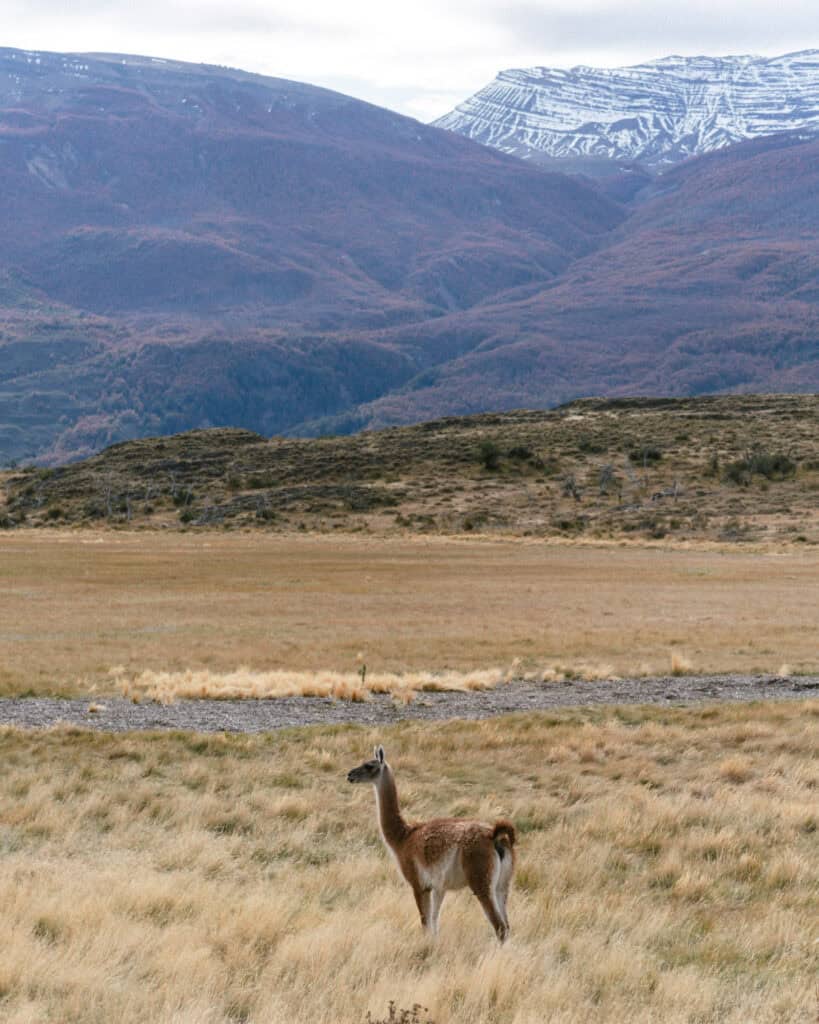
Part of the Patagonia National Park, Valle Chacabuco is one of the best places to see wildlife in Patagonia, with its expansive plains filled with guanacos, pumas, and ñandus. My eyes were glued to our binoculars the entire three days we were here, but most of the time they weren’t required, the wildlife was right in front of us!
Valle Chacabuco has an interesting history as a cattle estancia, but thanks to a private land donation from the Tompkins family (aka the creator of The North Face), it was merged with two existing national reserves to create the national park we know today.
This very detailed post contains everything you need to know to plan the perfect visit to the Valle Chacabuco Sector of the park. Including access, hours and entry fees, amenities, camping options, the best trails to hike and where to spot wildlife.
A brief history of Parque Nacional Patagonia
A relatively new national park in Chile, the Patagonia National Park was created in 2018.
It has a very interesting history, and we have the Tompkins family to thank for it.
‘Tompkins’ is a name you’ll hear quite frequently in Patagonia. Douglas Tompkins was the founder of The North Face, and his wife, Kristine, is the former CEO of the outdoor brand Patagonia.
The couple fell in love with the rugged lands of Patagonia back in the 1990s, and have since worked tirelessly to purchase land, restore and rewild it and eventually donate the land to the government to create new national parks.
This is how Parque Nacional Patagonia was formed.
In 2004, their nonprofit foundation, Tompkins Conservation (now Rewilding Chile), acquired almost 200,000 acres of land on the former sheep and cattle ranch Estancia Valle Chacabuco.
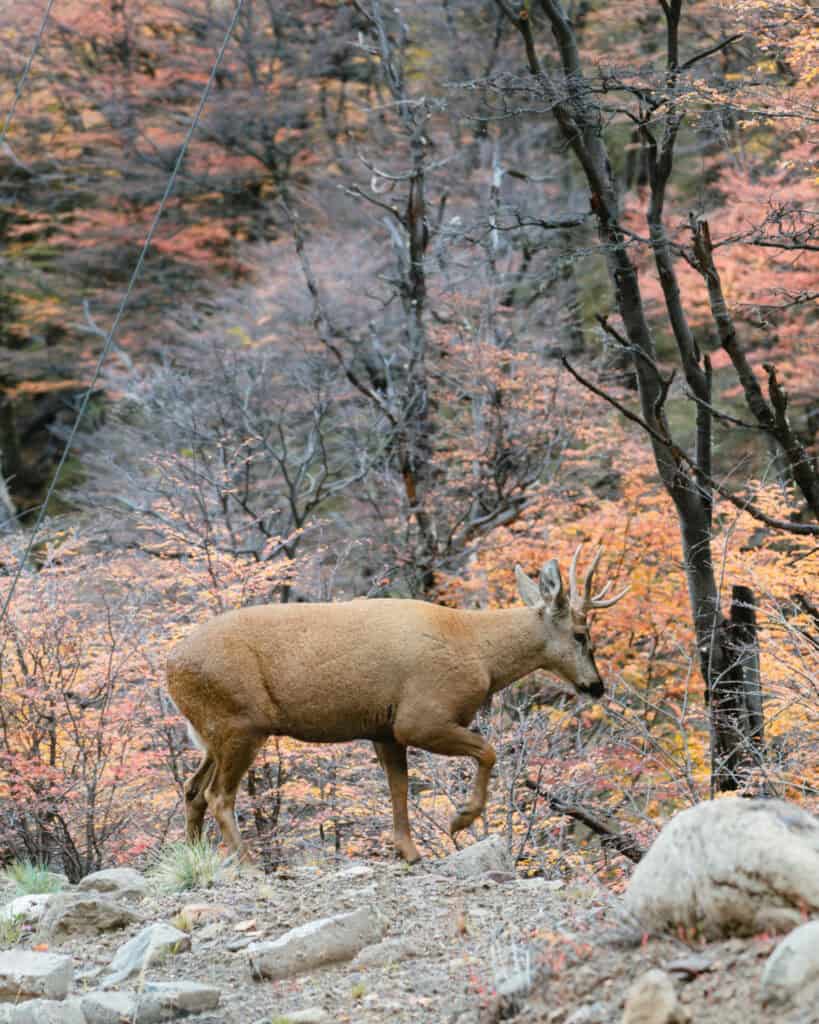
The foundation spent years undertaking intense ecological restoration projects and rewilding efforts, removing fences, recovering native flora and studying the behaviour and increasing presence of wildlife like pumas, guanacos and huemul deer.
In 2018, this land (among other land parcels around Chilean Patagonia, such as the Douglas Tompkins Pumalin National Park in Chaiten) was donated to the government. It was the biggest ever donation of private land to a government in history.
The Chilean Government combined two existing national reserves, Jeinimeni and Tamango, to the north and south of Valle Chacabuco, respectively, and Parque Nacional Patagonia was formed.
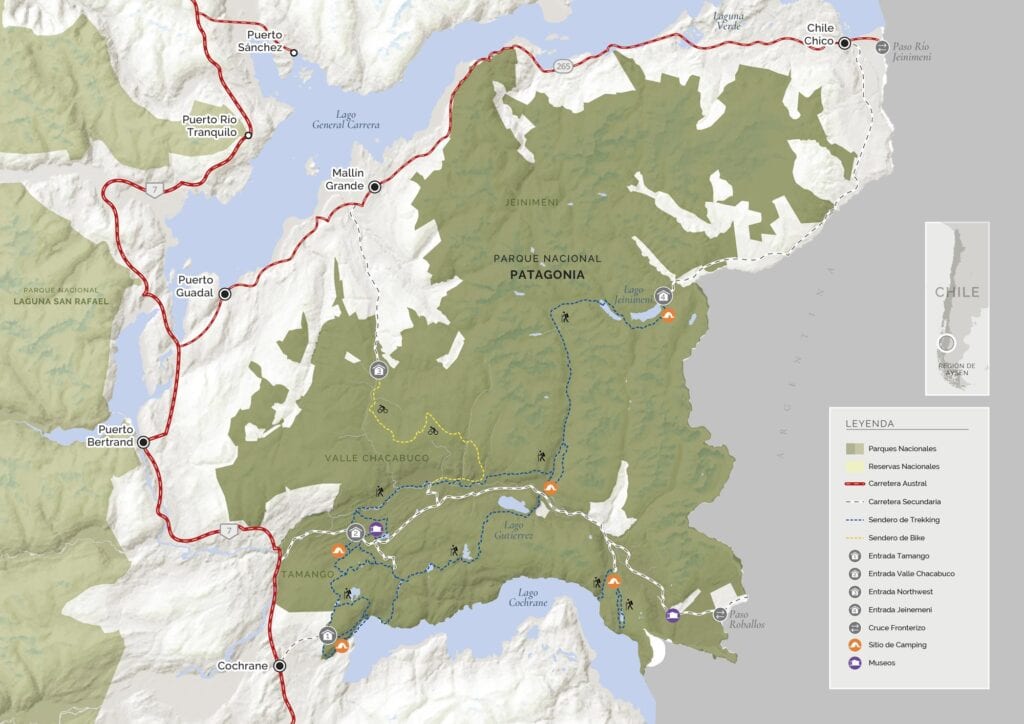
The park spans more than 750,000 acres in the Aysén region of Chilean Patagonia. It is divided into three ‘sectors’, reminiscent of how the park was created:
- 🏔️ Jeinimeni Sector: occupying the northern area of the park, the Jeinimeni Sector (formerly the Reserva Nacional Lago Jeinimeni) is probably one of the least visited parts of Patagonia National Park. It’s accessible from the town of Chile Chico and features glacial lakes, high mountains and alpine steppe.
- 🦙 Valle Chacabuco Sector: occupying the central area of Parque Nacional Patagonia, in an east-west valley, the Valle Chacabuco Sector is the most famous sector of the park. Its rugged Patagonian steppe feels entirely different to the mountains of the Aysen region, and the unique rock formations and grasslands feel more similar to Northern Chile than the rest of Patagonia. The park HQ and visitor centre are located in this sector, and it’s considered the best for seeing wildlife.
- 🦌 Tamango Sector: in the southern section of the park, not too far from the town of Cochrane, the Tamango Sector was formerly the Reserva Nacional Lago Cochrane o Tamango (seems they couldn’t agree on a name!). This sector covers the area around Lago Cochrane (also known as Lago Tamango) and the steep river valley running along the Rio Cochrane, descending from the slopes of Cerro Tamango. There are a lot of native forest zones in this sector, which are an important habitat for the endangered huemul deer.
🇦🇷 Chile’s Patagonia National Park runs all the way to the border with Argentina. Argentina also created a national park on their side of the border, called Parque Patagonia, and there are cooperative efforts by both countries to restore and preserve the landscape, and manage and increase wildlife populations. We didn’t have time to visit Argentina’s equivalent Parque Patagonia, but we have heard excellent things. It seems like a very well-run national park, and it’s still not a very popular attraction, so it’s a great place to get away from the crowds in Argentine Patagonia.

Save hours planning your Carretera Austral road trip with our Handbook + Custom Map

About Valle Chacabuco
Forget the coastal fjords, green forests and glaciers, Valle Chacabuco looks more like the Atacama Desert than Patagonia!
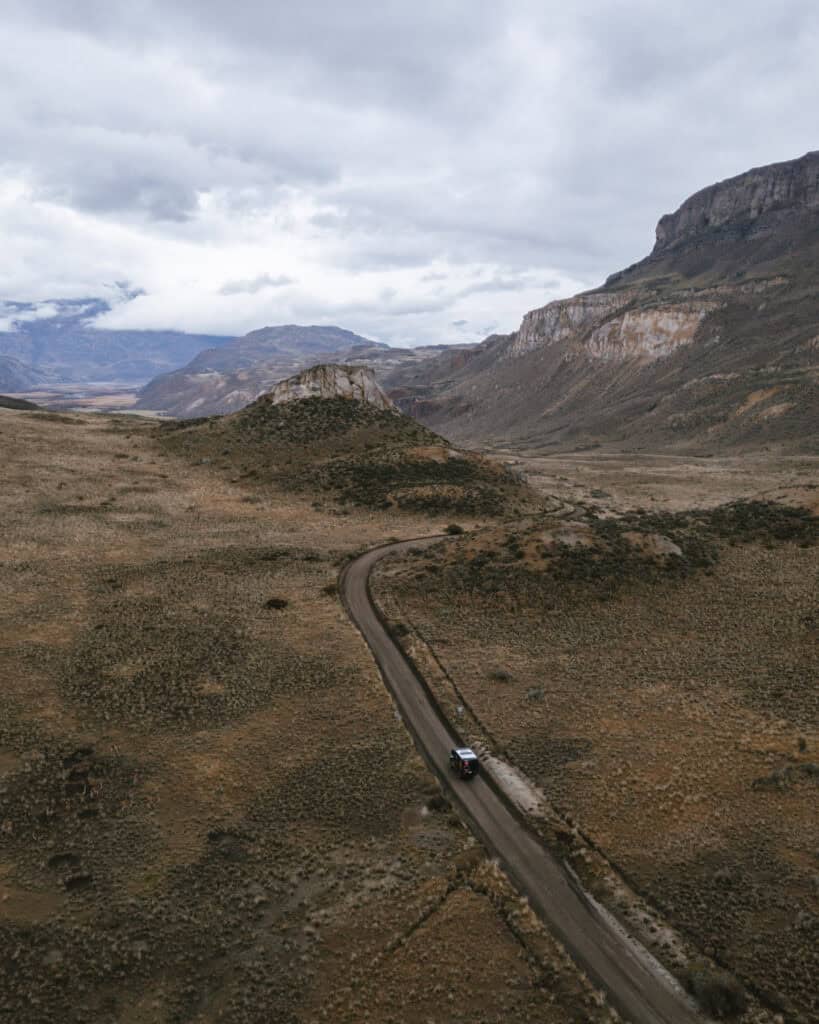
The Patagonian steppe stretches for miles in an east-west valley. Unique coloured rock formations soar to the sky, and guanacos graze on the grassy plains.
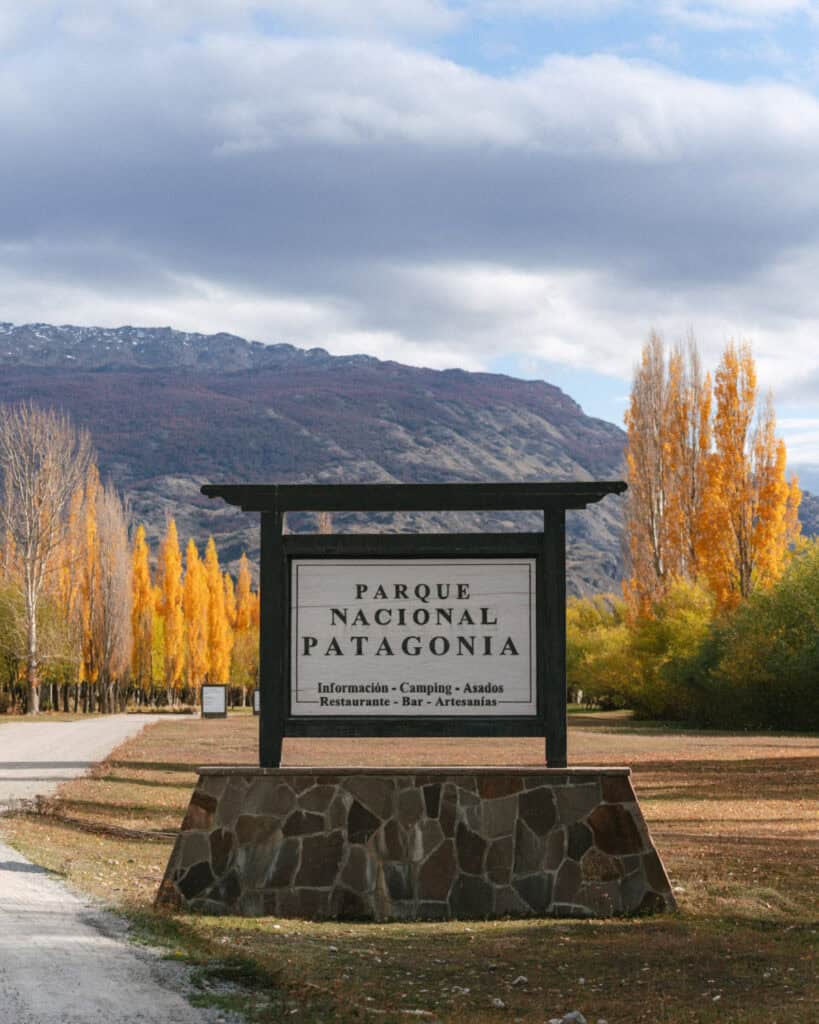
This is one of the most beautiful national parks we’ve ever visited, and the amenities and park buildings are simply stunning. We’d read a lot of rave reviews for the park, but it wasn’t until we arrived that we understood what everyone meant. It really is excellent!
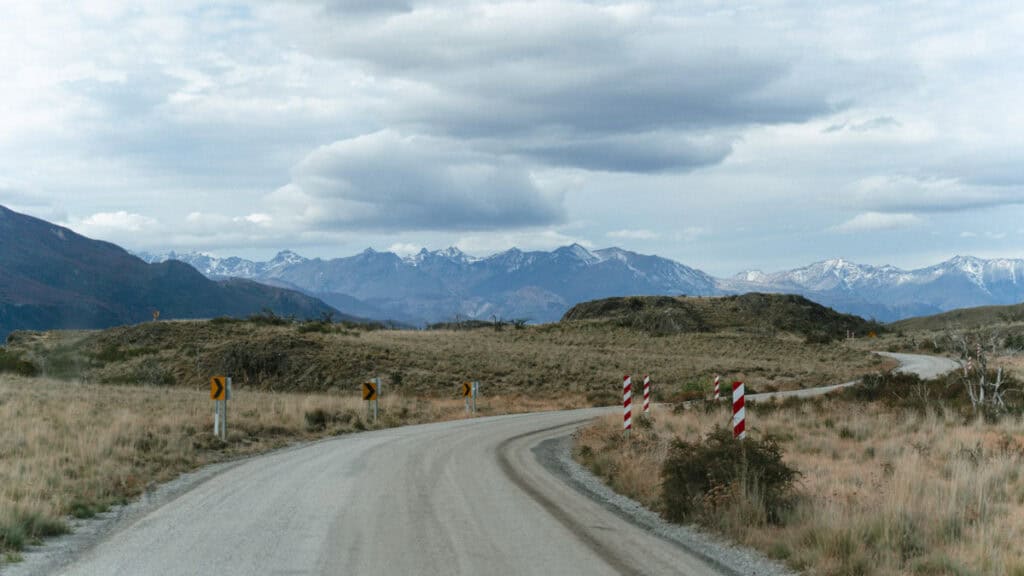
This sector is accessible via the X-83 road, which branches off the Carretera Austral in the west and extends eastward to the Argentine border, running through the entire Chacabuco Valley.
This sector of the park is very big and spread out, and before visiting, I was struggling to wrap my head around the different campgrounds, trailheads, amenities, etc.
Before I dive further into the details, I want to paint a picture of how the park is set up and stretched out along X-83 (refer back to the map above to help your brain process!).
Turn off the Carretera Austral
🔽
Drive ~20 minutes along X-83 (the wildlife spotting has begun!)
🔽
Arrive at ‘park HQ’ with the Visitor Information Centre, museum, cafe, restaurant, fancy hotel and trailheads
🔽
Drive ~5 minutes / walk ~40 minutes to Camping Los West Winds
🔽
Double back to X-83 (~5 minute drive) and continue east for ~40 minutes to arrive at Camping Casa de Piedra with camping and trailheads
🔽
Continue along X-83 for another ~15 minutes to arrive at Camping Alto Valle with camping and more trailheads
🔽
Drive another ~30 minutes along X-83 to reach the Argentine border (Chilean immigration happens slightly earlier)
Entrance fees and opening hours
The Valle Chacabuco Sector of the park is open Tuesday – Sunday from 8:30 am. The last entry is at 5:00 pm, and the park closes at 5:30 pm, unless you are camping inside.
To be honest, I don’t really know how they enforce the closure of the sector on Mondays, given that a public road runs right through the middle of it and people camp multiple nights inside the park. I think the closure on Mondays refers to the information centre/ticket office.
The entrance fee is 11,400 CLP (~$12 USD) for foreign adults.
You can buy your tickets online in advance via Chile’s Pases Parques Nacionales website.
We found the administration of the Valle Chacabuco Sector very odd. We arrived on a Wednesday and nobody was at the information centre. We may have just visited on an off day or when they were winding down for the season (April), but a lot of other reviews from travellers share a similar sentiment, they were also met with locked doors and no staff.
We had already bought a ticket for the Tamango Sector that morning, and the very helpful ranger there advised us we could enter the Valle Chacabuco Sector that day with our existing ticket, and we didn’t need to buy a new one. However, when we arrived, no one was around to check it.
Theoretically, you should be able to purchase tickets on arrival, with either card or cash, but I think it’s better to buy tickets online in advance for this sector. It’s not a big expense, so please do buy your ticket, even though you may not be asked to provide evidence of it.
My understanding is that if you are spending multiple days camping/staying inside the park, you do not need to buy a new ticket for each day. So long as you have a ticket for the day you entered and evidence that you have paid for your accommodation for the proceeding nights, that’s fine.
Getting to the Valle Chacabuco Sector
The Valle Chacabuco Sector of the national park is accessible via the X-83 road, which branches off the Carretera Austral in the west and extends eastward to the Argentine border.
The ‘park HQ’, aka the Visitor Information Centre and surrounding amenities, is a 20-minute drive from the turn-off on the Carretera Austral or a 1.5-hour drive from the Argentine border.

FROM CHILE 🇨🇱
If you’re road tripping along the Carretera Austral, you will most likely access Valle Chacabuco from Puerto Rio Tranquilo (2 hours, if you’re travelling southbound) or from Cochrane (45 minutes, if you’re travelling north).
Like everywhere else in this region, having a car is ideal. This sector of the park is huge, and there are campgrounds and trails spread out along the 75 km (47 mi) X-83 road.
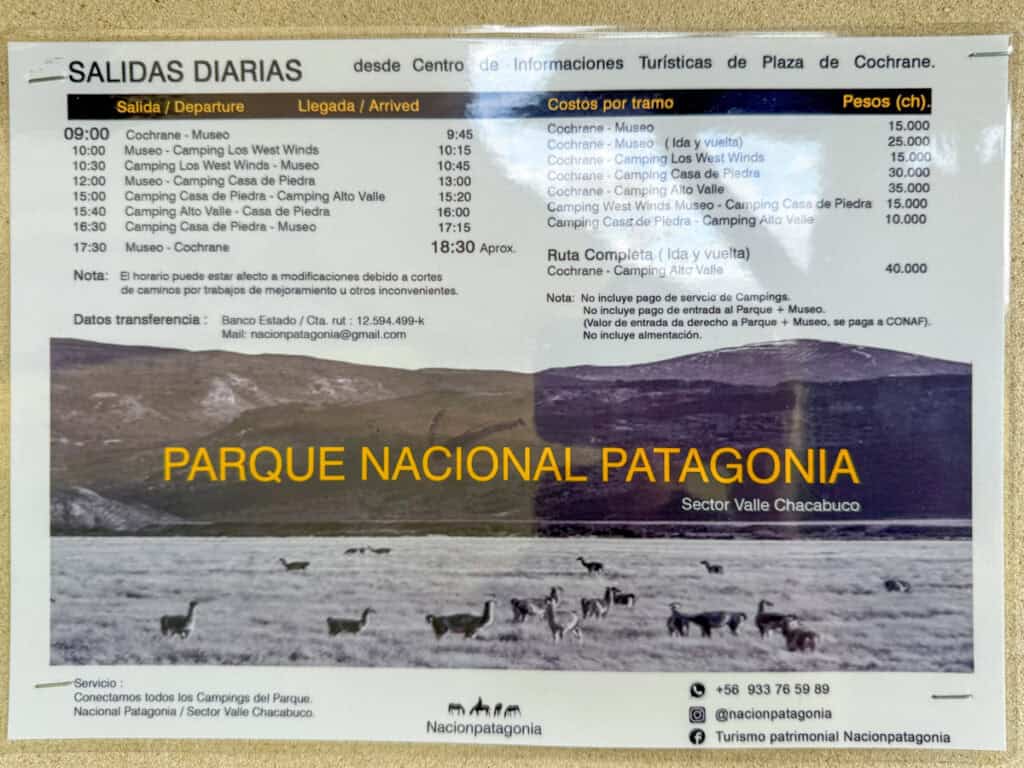
If you are exploring the Carretera Austral without a car, it is possible to get a shuttle to the park. You’ll need to get yourself to Cochrane first, which is pretty easily accessible via bus from other towns along the highway (more details in my Cochrane guide).
Nacion Patagonia run these shuttles, and their number on WhatsApp is +56 933 76 59 89. This was a timetable I saw pinned on a noticeboard at the West Winds Campground (the closest camp to the park HQ).
👣 If you don’t have a car, you could easily occupy yourself for a few days around the West Winds Campground/park HQ area, using the shuttle to get to and from Cochrane. Three of the best trails start from here, and it’s an easy walk between the campground and the visitor centre area. You’d need camping gear or a big budget to stay at the hotel inside the park (more on that below).
FROM ARGENTINA 🇦🇷
If you’re self-driving through Patagonia, the Parque Nacional Patagonia is a great place to cross the border between Argentina and Chile.
There aren’t a lot of border crossings in this area (the Andes do a pretty good job of blocking that!), but this is a good point to connect between the two countries. You can explore the Patagonia National Park before continuing north or south along the Carretera Austral.
The crossing is called Paso Rodolfo Roballos at the end of Ruta X-83.
We didn’t do this crossing, so we don’t have too many details, but I know you have to pre-request authorisation to cross here in advance (if going from Chile > Argentina), because the immigration office is so small. If you’re coming into Chile from Argentina, I believe you can just turn up.
If you’re planning to do this border crossing in either direction, this listing on iOverlander is useful and has updated information from travellers crossing recently.
Amenities in the Valle Chacabuco Sector
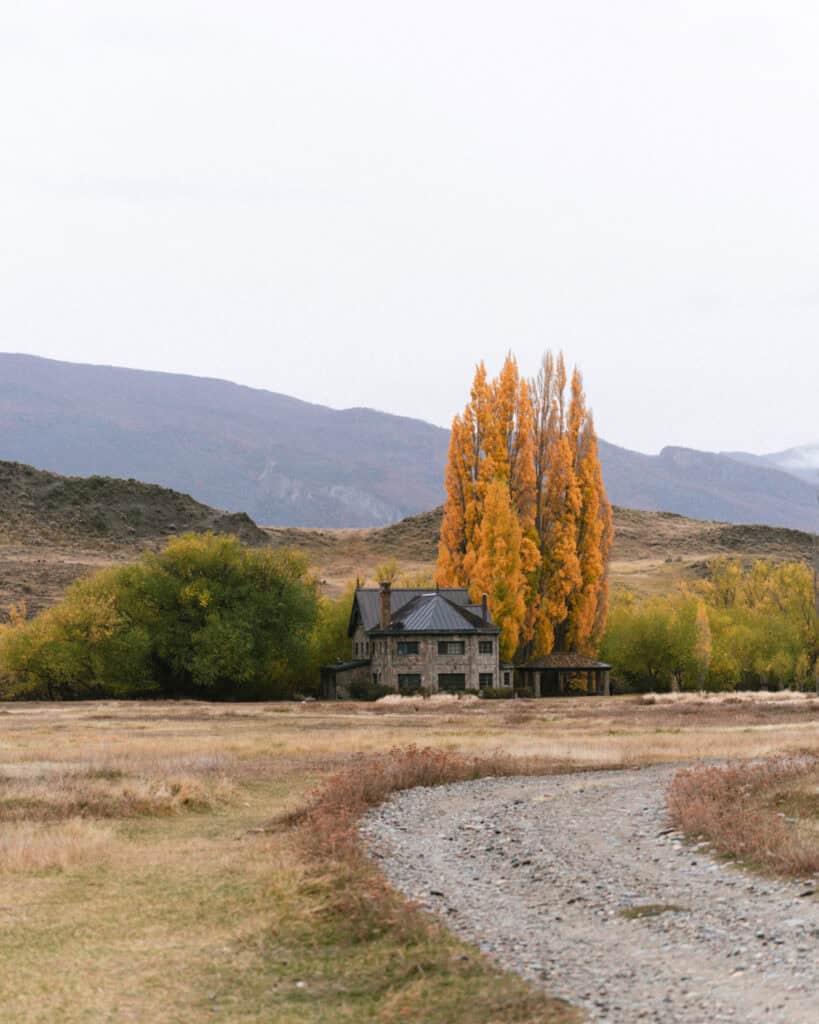
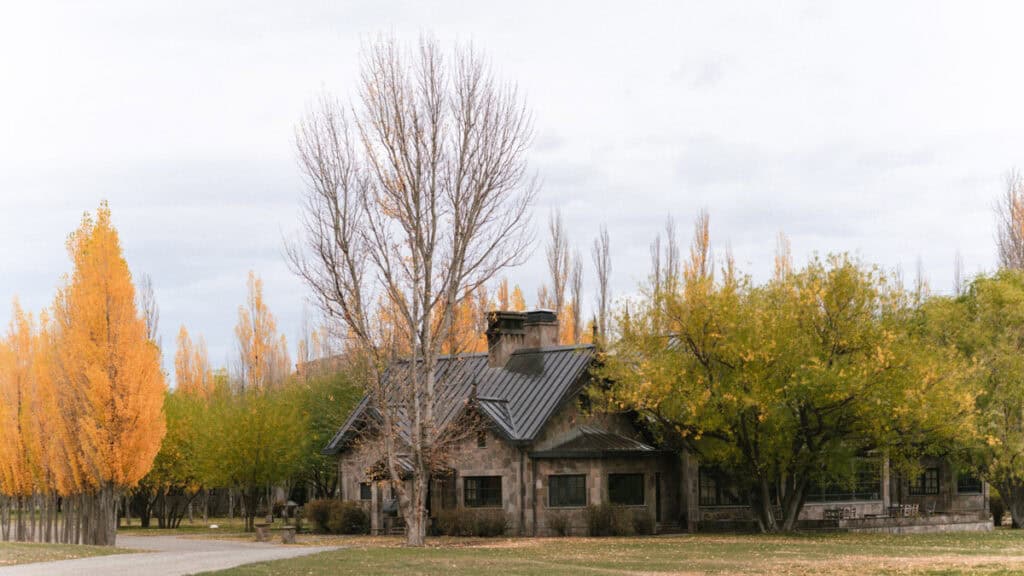
Valle Chacabuco has to be one of the most beautiful national parks I’ve ever seen! Driving into the ‘park HQ’ (as I’m calling it) was so unexpected, and it is an absolutely stunning little pocket of amenities.
The majority of the amenities in the park are clustered in the HQ area, which is ~20 minutes drive from the main entrance to Valle Chacabuco off the Carretera Austral.
In this area, you will find:
- ℹ️ Visitor Information Centre: supposedly this is where you buy your tickets to the park, get info about trails and wildlife and can speak with the park rangers. It was closed when we visited, so we didn’t actually go in here. From all reports, it’s well-run when it’s open, and visually, it is a beautiful building.
- 🏛️ Museum: part of the visitor centre is a museum with more detailed displays and information about the area, flora, fauna, formation of the park and the benefits of national parks in general. Unfortunately, we couldn’t visit the museum as it was closed when we arrived.
- 🪦 Douglas Tompkins memorial: we were very surprised to see a headstone and memorial area to Douglas Tompkins just a short walk from the visitor information centre. It makes sense, given the integral role he played in the formation of the park, but we weren’t sure if he really was buried here. After some Googling, we confirmed that yes, the memorial is actually Douglas Tompkin’s final resting place. It adds a really nice sentiment to Valle Chacabuco and highlights how special this place was to the Tompkins family, and how nice it is to see their dream realised.
- 🏨 Explora Lodge: another unexpected discovery for us when we arrived at the park was seeing a fancy hotel! I hadn’t read about this beforehand, so to see multiple fancy brick lodge houses scattered around was a surprise! The Explora brand has a similar lodge at Torres del Paine National Park.
- 🍽️ Explora Restaurant: there is a very nice-looking restaurant attached to the lodge. It’s primarily for guests who have all their meals included in their stay, but you can also visit if you’re not staying there.
They offer breakfast (7:00 am – 10:00 am), lunch (1:00 pm – 3:00 pm) and dinner (7:00 pm – 9:00 pm). From memory, the lunch and dinner meals are three-course set menus, and I think the price was around $60 USD per person. This is actually pretty good value given the location and the calibre of the lodge. I think they prefer reservations, according to the restaurant’s page on their website.
We wandered in for a look, and honestly, we weren’t given the nicest welcome given we weren’t guests, and were quickly shooed to the cheaper cafeteria in the building opposite. We had already come stocked with groceries to cook our own meals, so we didn’t eat here in the end. I’d love to know if you do.
- ☕️ Explora Cafeteria: officially called the ‘Centro de Exploraciones’, this cafeteria is in a building between the visitor information centre and the lodge’s reception and restaurant. It’s managed privately by Explora, but I got the vibe it was a mandatory inclusion in their development, and somewhere to shuffle non-guests out of the restaurant.
Either way, it’s a nice space, with a small cafeteria selling drinks, sweets and light snacks. There are nice toilets (better than the campgrounds, so use them wisely!) and lots of great information about the park, trails and wildlife. I believe it’s possible to book tours and guides with Explora if you’re interested in that.
There is also a range of outdoor gear for sale and some beautiful artisan products featuring wildlife from the park, like tote bags, notebooks, prints, etc. I regret not buying something!
From memory, there was wifi here, but I don’t recall if they were giving out the password or not.
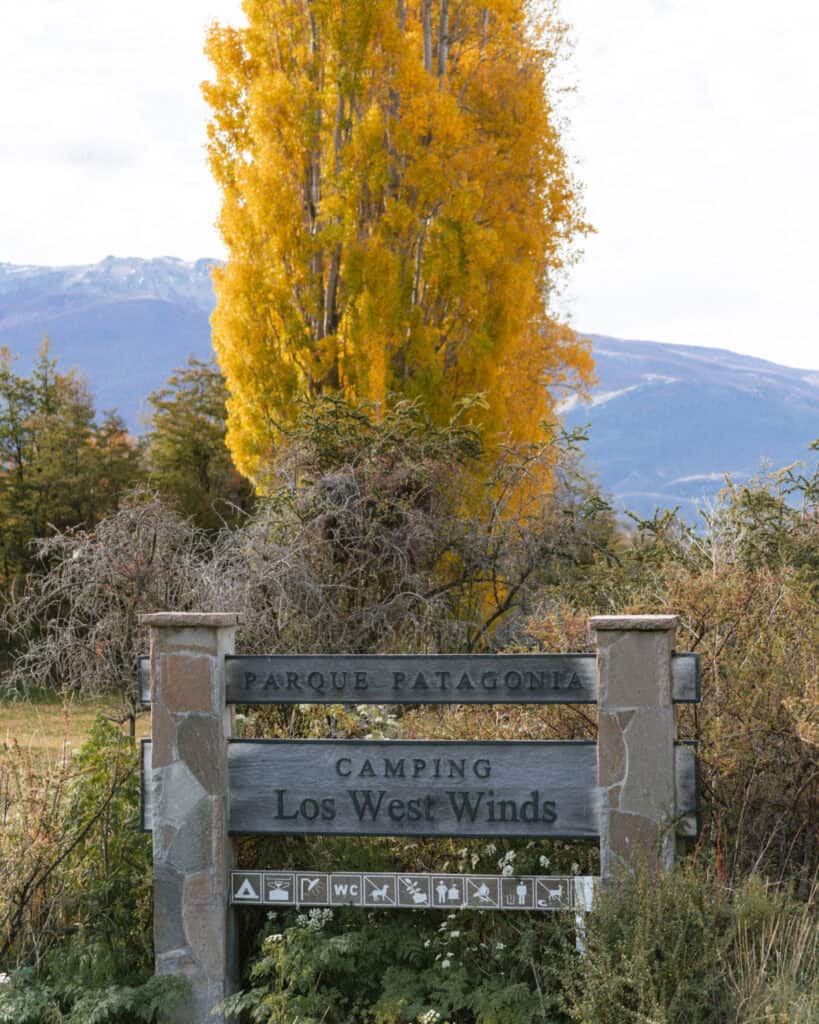
- ⛺️ Camping Los West Winds: a 5-minute drive or 40-minute walk from this area is the first of three campgrounds, Los West Winds.
As the park stretches eastward along X-83, there are two more campgrounds (more on those below), but that’s basically it for amenities. We passed a few picnic areas as we drove along this road, with sheltered chairs and tables, but there were no other bathrooms or outbuildings.
Camping and accommodation in the Valle Chacabuco Sector
While it is possible to visit this sector for a day trip from Cochrane, most people choose to spend multiple days here, either camping or staying in accommodation.
It’s a big area to cover, with lots of excellent trails, plus the convenience of a road running through it, so you can easily cover a lot of ground.
We spent 3 nights inside the park and I would really recommend as many nights as you can dedicate! We loved it here.
If you don’t want to stay in the park, it’s possible to do day trips from Cochrane. It’s about 45 minutes from park HQ, and has a range of accommodations for all budgets. Check out my recommendations for hostels and hotels in my Cochrane guide.
Explora Lodge Parque Nacional Patagonia
There is a luxury lodge inside the Valle Chacabuco Sector of Patagonia National Park! Driving in and seeing the fancy brick lodge buildings was a surprise to us, and this place looks seriously nice.
The Explora Lodge, sometimes called The Lodge at Valle Chacabuco, is one of a few luxury Explora properties around Chile, including in Torres del Paine, Easter Island and the Atacama Desert.
A stay at their lodge in Parque Nacional Patagonia is all-inclusive, with all your meals, drinks, daily activities and tours, spa treatments, airport transfers and even national park entry fees included. It’s a steep price tag, but you won’t spend another cent once you arrive.
There are only 13 rooms, but they are spread across several outbuildings. The brick design is so lovely and blends perfectly with the surrounding landscape.
The rooms look stunning, but what really caught our attention as we were wandering around was the spa area. Complete with outdoor hot tubs where you can soak with mountain views and watch the guanacos grazing!
🏨 Check prices and availability for Explora Lodge Parque Nacional Patagonia
Camping
If your budget is on the lower side like ours, there are three campgrounds spread across the Valle Chacabuco Sector of the park. They operate from October – April.
The campgrounds are all first-in-best-dressed and cannot be pre-booked. There are staff at each of them, managing check-in and payment.
The price is 8,000 CLP per person, per night (you only need to pay for one day of park entry if you are staying multiple nights and paying for camping). We were able to pay our camping fees by credit card at Los West Winds, but I can’t confirm if this is possible at the other sites.
There is not a lot of information online about the campgrounds and their status. When we visited, one of the three was closed, Alto Valle, and we only knew because the ranger in the Tamango Sector mentioned it when we were discussing our plans. Given that the information centre in this sector is often closed, it can be hard to make plans. I’d suggest checking the latest reviews on iOverlander to get current information before your visit. I’ve included the links to each below.
CAMPING LOS WEST WINDS
- ℹ️ More info: iOverlander listing and Google Maps location
- 📏 Distance from park HQ: ~5-minute drive, ~40-minute walk (2.5 km)
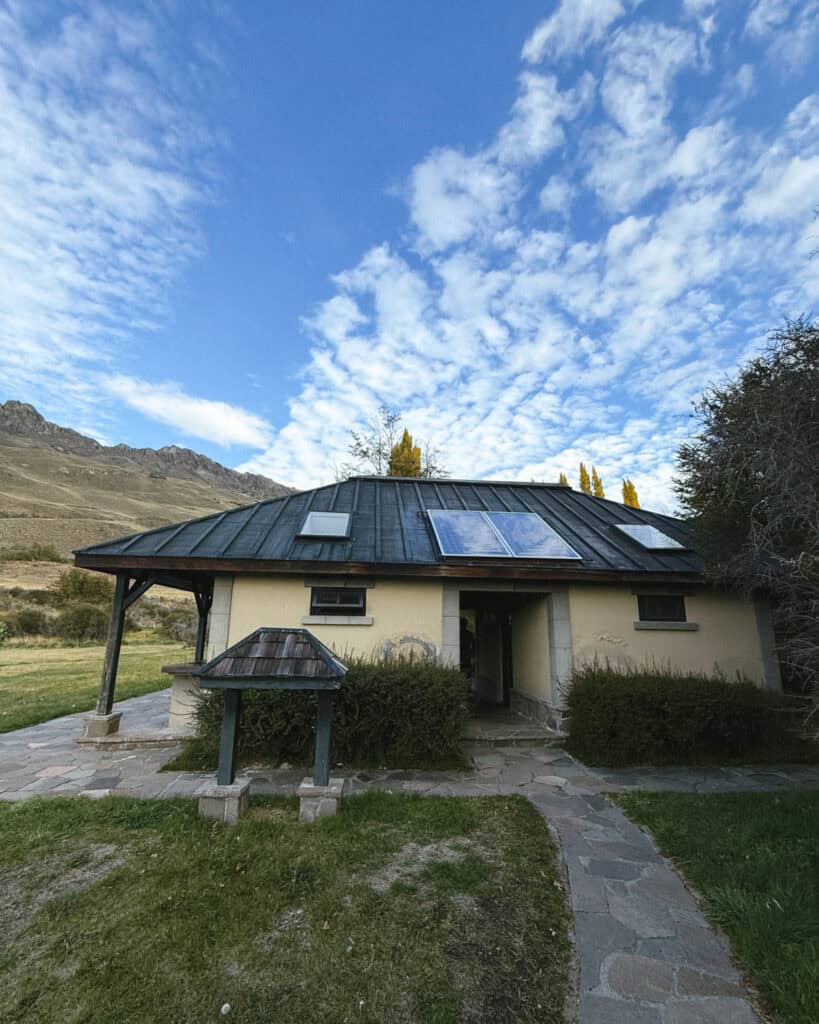
- 🚽 Amenities: a bathroom block with toilets and showers. The showers are supposedly solar-heated, but they were freezing cold when we visited. Unless you’re visiting in the peak of summer and shower in the mid-afternoon when the water is at its warmest, the shower will be cold, so brace yourself. There are a few covered areas with picnic tables where you can eat. There is no electricity. When we visited, there was a temporary trailer set up for the staff who man the campground.
- ⛺️ Tents vs campers: vans, campers and motorhomes can only use the parking lot. Even though you’re stuck in the car park, the view is still excellent, and you’ll still be able to see any guanacos or pumas that wander through camp. It was a short walk to the bathroom from our camper.
The main car park closest to the campsite is down a very steep hill. If you’re not in a 4×4, I’d recommend walking down on foot first to check if you’re comfortable driving it.
There is a second parking lot at the entrance to the Lagunas Altas trail on a hill above the campground. This is used as an overflow parking area for vans and campers staying overnight. It’s a bit less convenient to get to the bathrooms, but the view is nice and it’s quieter.
The nice grassy field is for tent camping only. If it’s not busy, tents can be set up in the covered picnic table areas.
- 🛜 Phone service and wifi: there is no phone service here, or anywhere in this sector that we found. The staff trailer here had a Starlink dish, but I don’t know if they were giving out the password. We had our own Starlink Mini, but I’m sure you could sweet-talk them if you really needed it.
- 🥾 Trails: the trailheads for the Lagunas Altas and La Vega trails start here, the Laguna Cisnes trail starts from the visitor centre, which is approximately 2.5 km away from the campground.
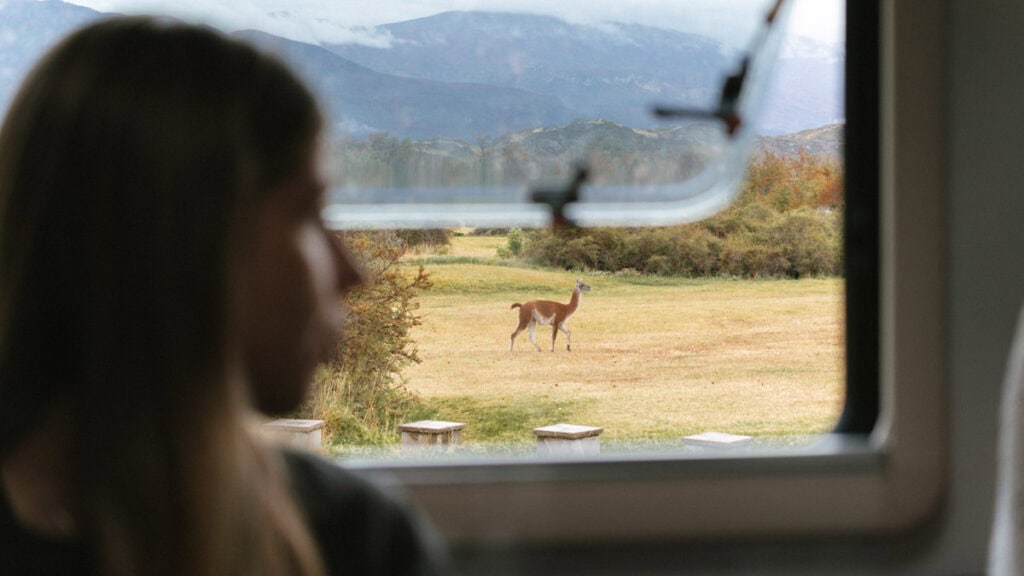
- 🦙 Wildlife: you’re almost guaranteed to see guanacos grazing around this campground. We saw them every morning and every afternoon of our 3-night stay. This is also considered one of the best places to see pumas in the park, and it’s not uncommon for them to wander right through the campground. Usually in the late afternoon / early evening, around dusk. We weren’t lucky enough to spot them, but it is common.
- ⚠️ Warnings: mice are a real problem here and regularly chew through bags and tents; we even met a couple who had them in their car.
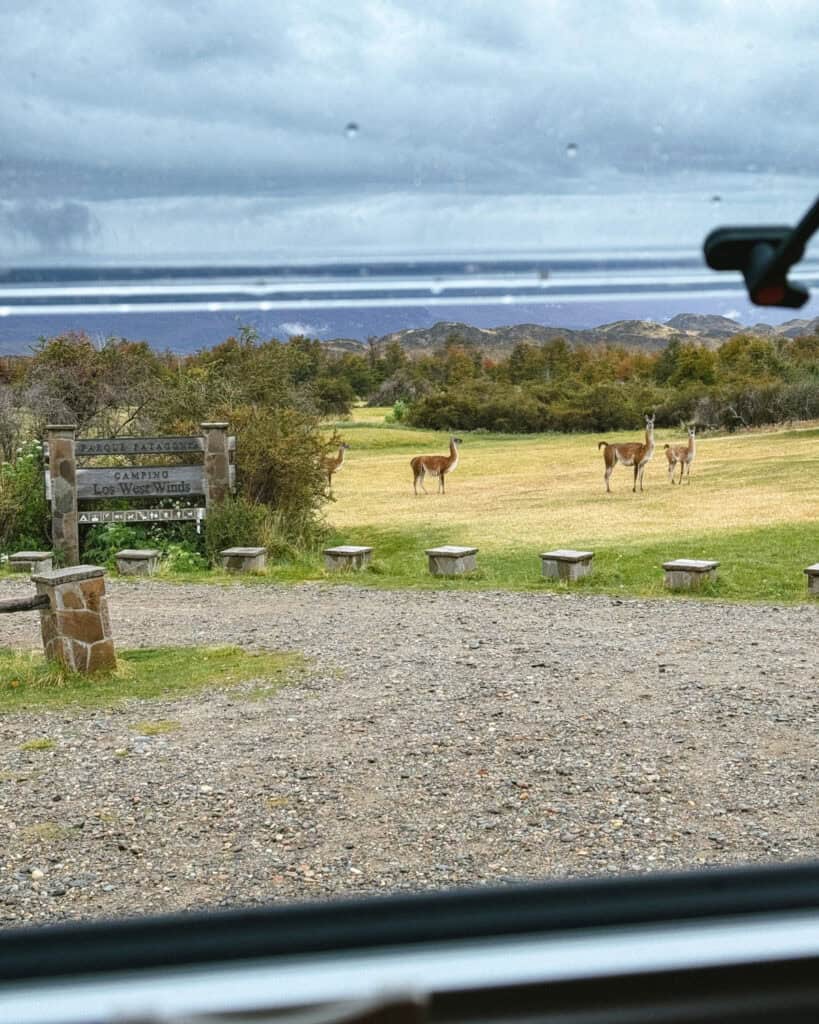

CAMPING CASA DE PIEDRA
- ℹ️ More info: iOverlander listing and Google Maps location
- 📏 Distance from park HQ: ~40-minute drive (25 km)
- 🚽 Amenities: this campground has a refugio-style building with the bathrooms and two common rooms that can be used for cooking, relaxing, etc., out of the wind. The staff are set up in an office inside, too. There’s no heating, but there is electricity here, so there are lights in the building at night. The showers are supposedly solar-heated, but unless you’re visiting in the peak of summer and shower at the exact right time, it will be cold. There are also a handful of covered picnic areas outside.
- ⛺️ Tents vs campers: the campground is tucked off X-83 with a foot bridge across the Rio Cochrane. You can only walk across the bridge, you cannot drive or bring a motorcycle across.
If you’re camping in a vehicle, you’re stuck in the car park. This is the same scenario as at West Winds, but due to the bridge and river, it feels a lot more segregated here. We stopped by and had our lunch here, but didn’t end up staying because it just felt like a car park, whereas West Winds was a lot more open.
If you’re tent camping, I’d say Casa de Piedra is a much nicer option. The refugio building is a nice place to hang out in bad weather, and the views over the mountains to the north were excellent. It’s also a lot quieter, being deeper in the park.
- 🛜 Phone service and wifi: there is no phone service here, or anywhere in this sector that we found. We also noticed a Starlink dish here on the roof for the staff, but if you’re lucky, they might share the password with you!
- 🥾 Trails: the trailheads for the Aviles Loop trail and Lago Gutierrez trail start here. If you’re on a longer, multi-day trek, the trail from the Jeinimeni Sector of the park connects here.
- 🦙 Wildlife: we didn’t stay here, so we can’t say for sure what wildlife hangs around this campground. I know it’s not considered as good as West Winds to see pumas, but a lot of people report seeing guanacos around the grasslands here.
- ⚠️ Warnings: I can’t confirm if they accept payment via credit card here like at West Winds, so make sure you have enough cash (8,000 CLP per person, per night).
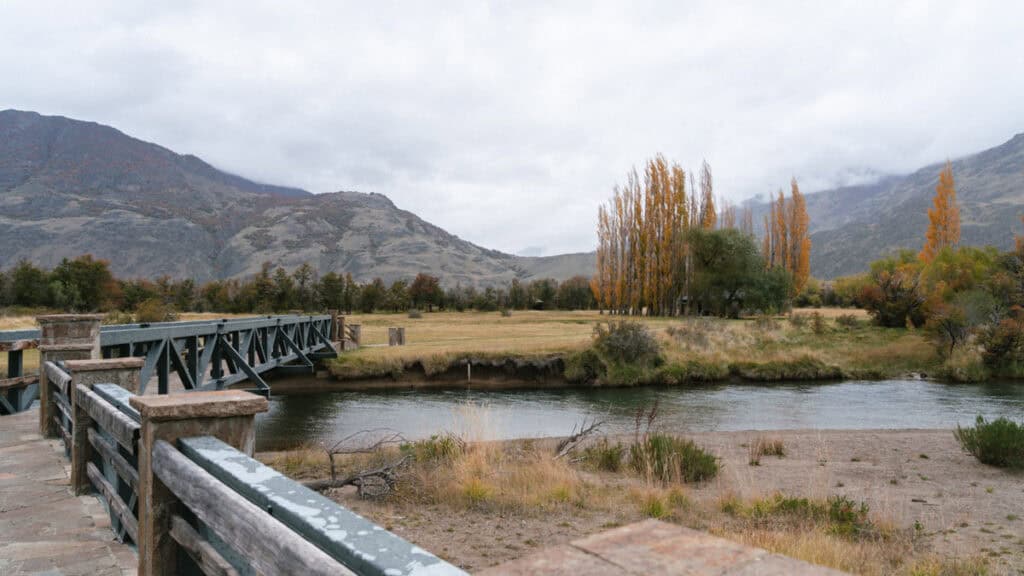
CAMPING ALTO VALLE
- ℹ️ More info: iOverlander listing and Google Maps location
- 📏 Distance from park HQ: ~55-minute drive (38 km)
- 🚽 Amenities: this campground has a lot of covered picnic areas scattered around. Most of them have decent walls that are almost floor to ceiling, so if there is bad weather, this would be a good place to shelter. There is a bathroom block with toilets and showers. The same scenario as the other sites, they are solar-heated, so unless it’s a very sunny day and you jump in at the exact right time, they’ll probably be freezing! I believe there are also large outdoor sinks for washing dishes.
- ⛺️ Tents vs campers: although we weren’t able to drive in to check it out as it was closed, the reviews and photos of this campground indicate it is the best one if you are sleeping in a vehicle. You can drive much closer to the sheltered picnic areas and bathrooms, and you’re actually ‘in the campground’, not just in a parking lot.
Tents have a lot of grassed area to choose from, and you can pitch up near one of the shelters.
- 🛜 Phone service and wifi: there is no phone service here, or anywhere in this sector that we found.
- 🥾 Trails: the trailheads for the Mirador Douglas Tompkins and Lago Chico trails start from this campground.
- 🦙 Wildlife: we didn’t stay here and couldn’t drive in, so I’m not sure what type of wildlife can be spotted around the campsite.
- ⚠️ Warnings: in the last couple of years, this campground has been closed more often than it’s been open. It was closed, and the entrance road was blocked off when we visited. If you’re planning to stay here, I would highly recommend checking in at the information centre (if it’s open!) before driving/hiking/cycling all the way out here. Unless you find a recent review stating otherwise, I’d assume it’s closed.
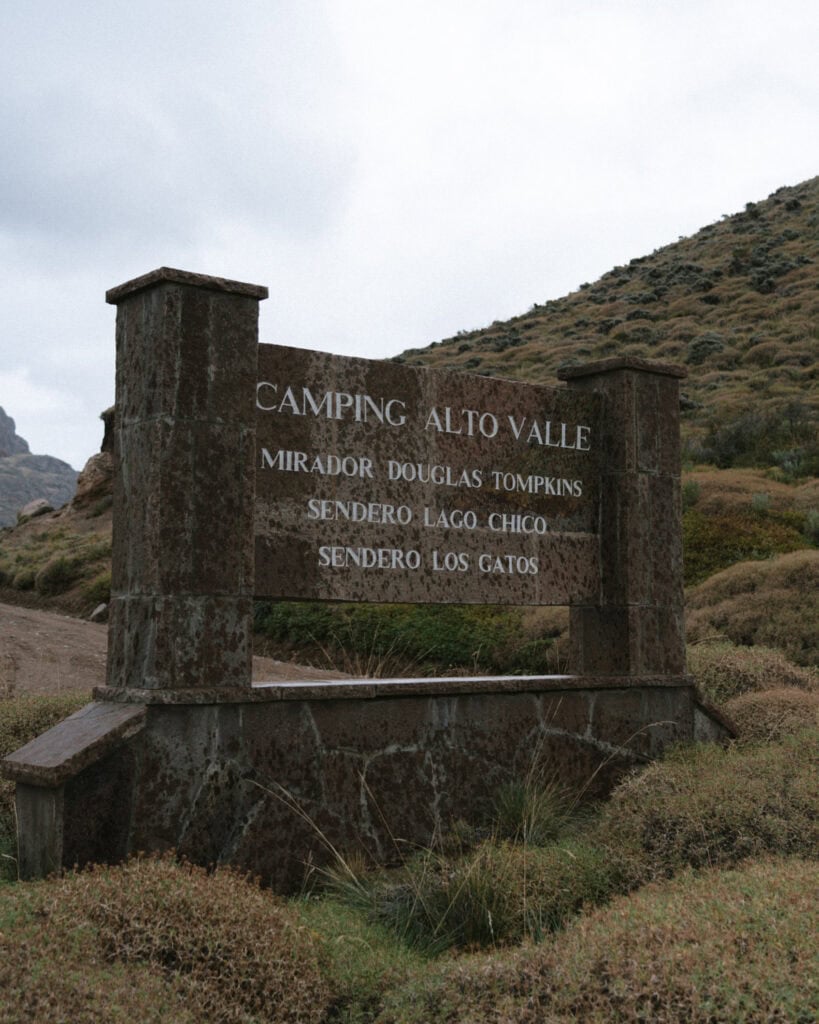
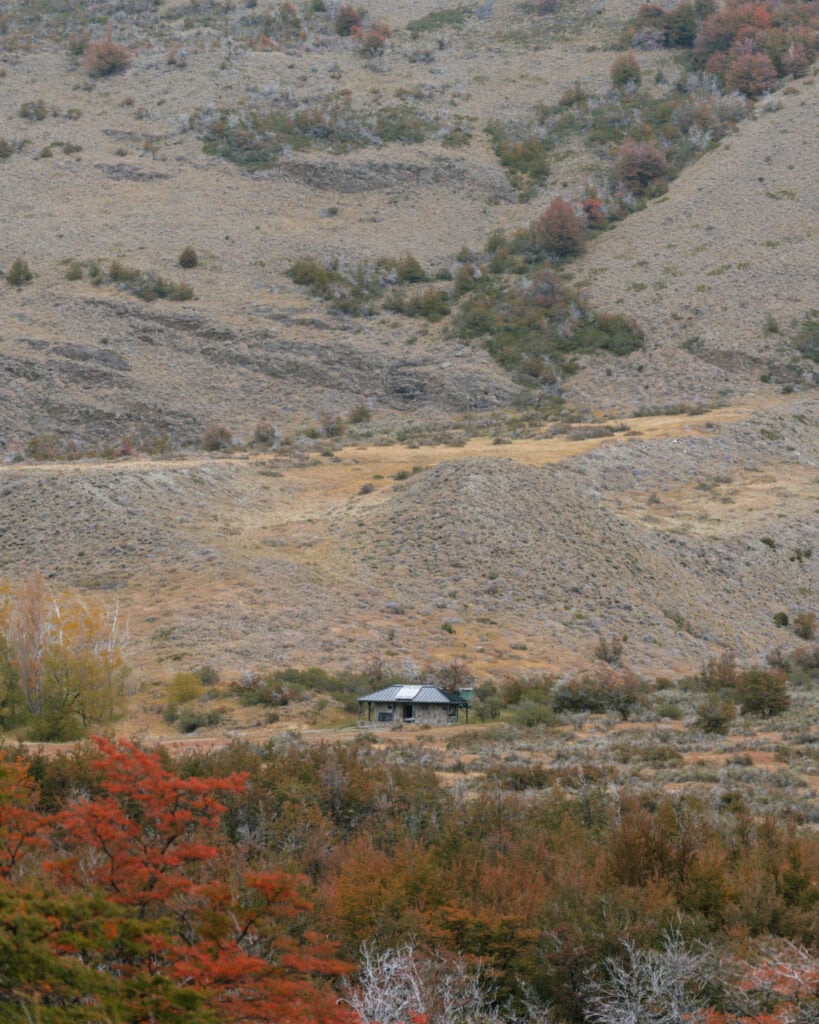
Trails in the Valle Chacabuco Sector
There are dozens of trails all over the Valle Chacabuco Sector of the park. Most of them are listed online on AllTrails, but there are others that you’ll only discover once you reach the park and study their maps.
For easy reference, I’ve divided the trails by what area of the park they start in. I’ve also popped a ⭐️ next to the trails I think you should prioritise, depending on how much time and energy you’ve got!
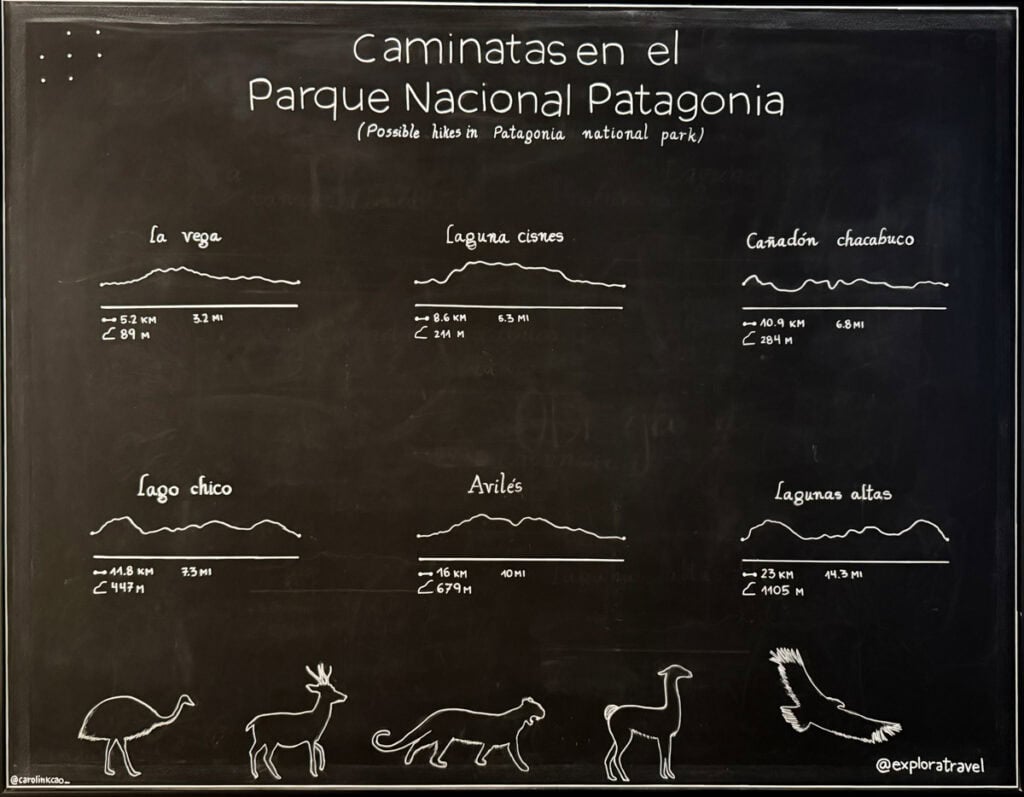
Trails from West Winds Campground / Park HQ
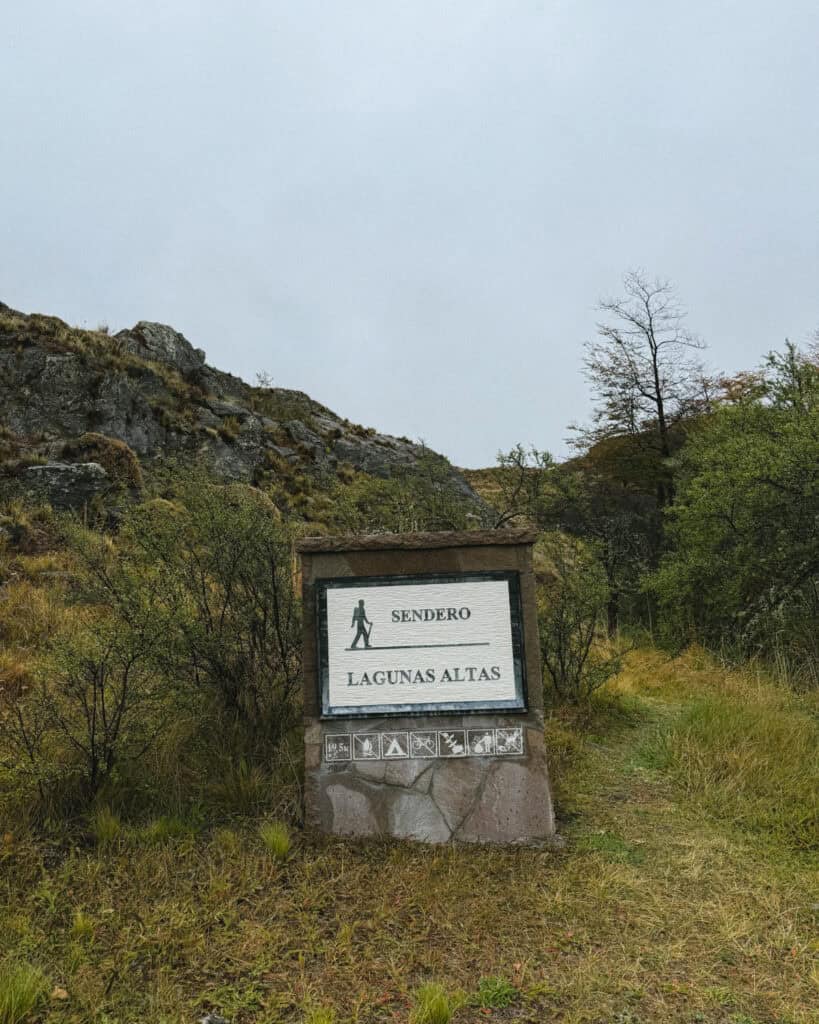
LAGUNAS ALTAS ⭐️
- 🥾 Trail type: loop
- 📍 Trailhead location: Camping Los West Winds
- 🗺️ Trail map: AllTrails
- 📏 Distance: 20.4 km (12.7 mi)
- 📈 Elevation gain: 955 m (3133 ft)
- 🥵 Difficulty: hard
- ⏰ Duration: 7 – 9 hours with stops
The Lagunas Altas trail is the most popular hike in the Valle Chacabuco Sector of the park. It’s an all-day undertaking, clocking more than 20 km, and is at times quite challenging!
It’s worth every step, though, inclining up the commanding rock face looming above the West Winds Campground, to spectacular alpine lagoons, thick forest and sweeping views over the park (on a clear day). Guanaco sightings are almost guaranteed, if you’re lucky there could be pumas, and there are plenty of birds to listen to and look out for.
Being a loop, the trail has multiple points at which you can start. If you’re staying overnight in the park, the easiest is the West Winds Campground, but there is another car park slightly closer to the park HQ area.
The trail is a loop, but you should absolutely hike it anti-clockwise. This will take you up the steepest incline at the beginning over about 6 km, and once you peak, it’s mostly flat or downhill and becomes quite cruisy for the remaining 14 km.
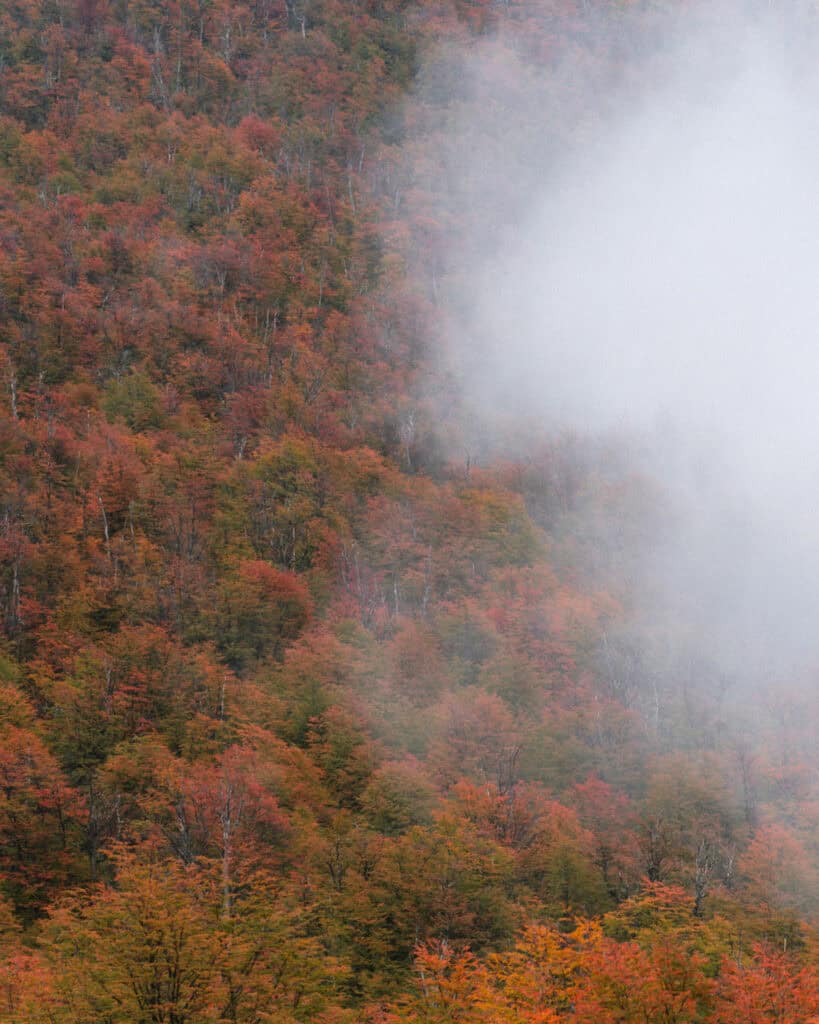
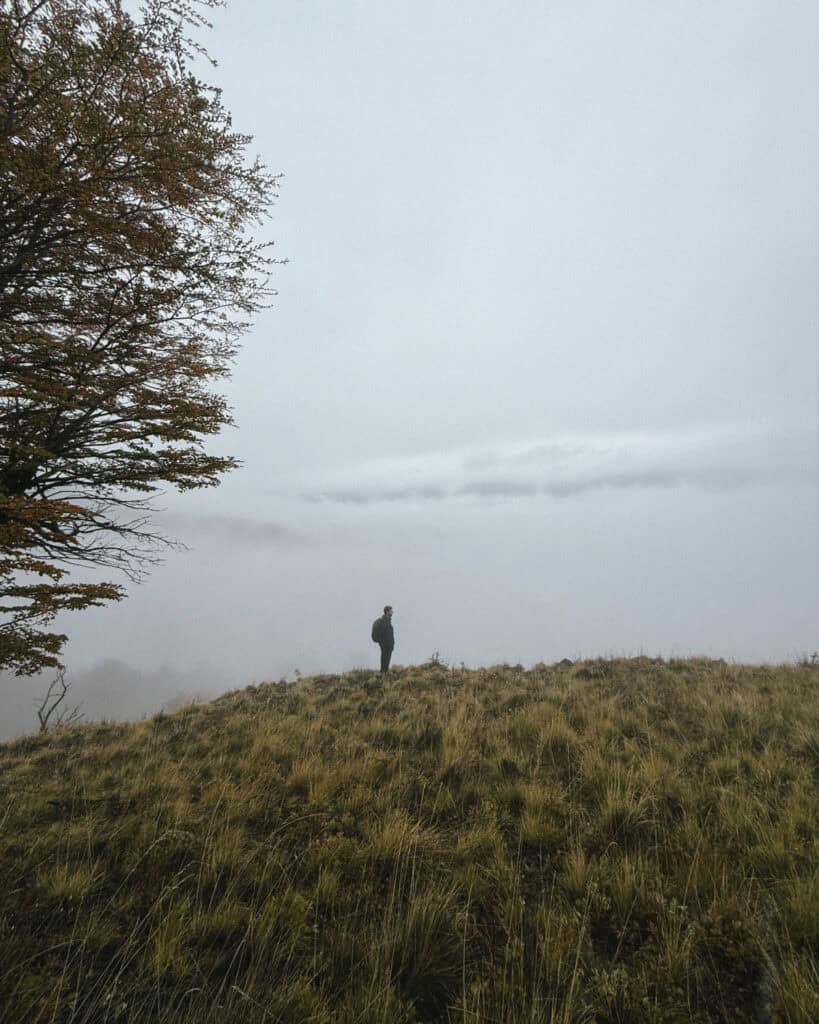
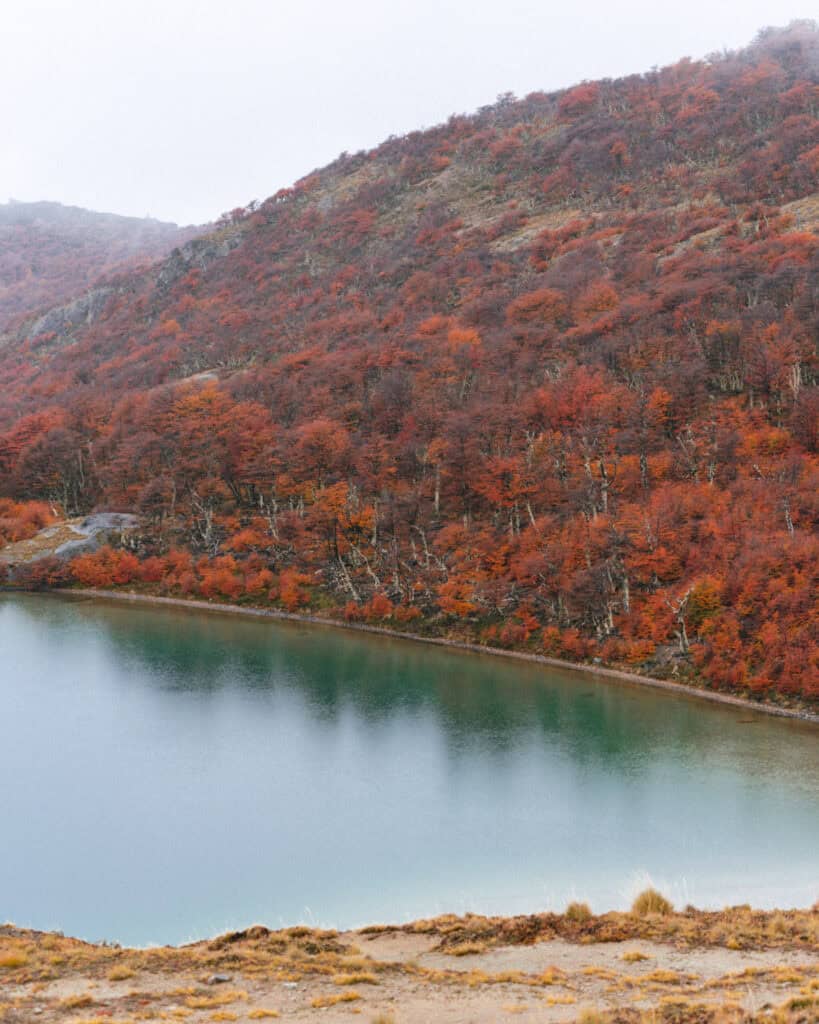
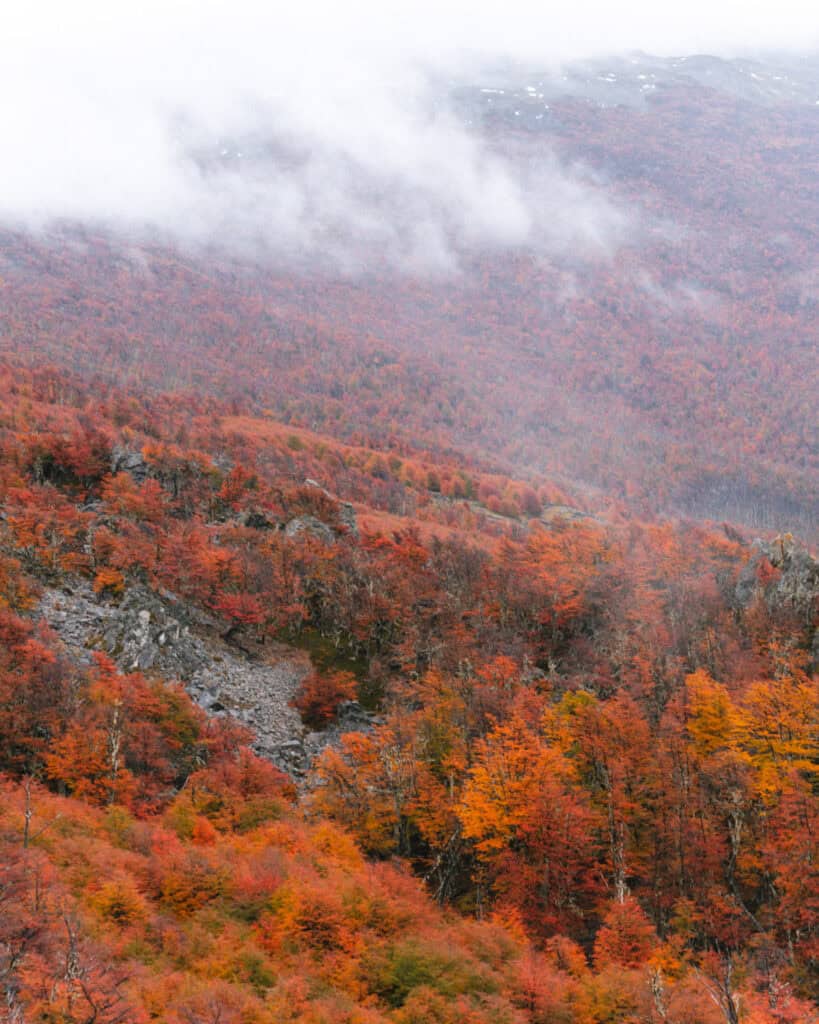
We had terrible weather when we did this hike. It was probably one of the only truly unlucky weather days we had in Patagonia, and we trudged through 20 km in pouring rain with soggy feet and virtually no views – just a wall of cloud! There was even a few patches of snow at the peak. It was still a spectacular hike, and we didn’t see another soul on the trail. The autumn colours were blazing and the forest was a sea of red and orange, it was really special despite the conditions.
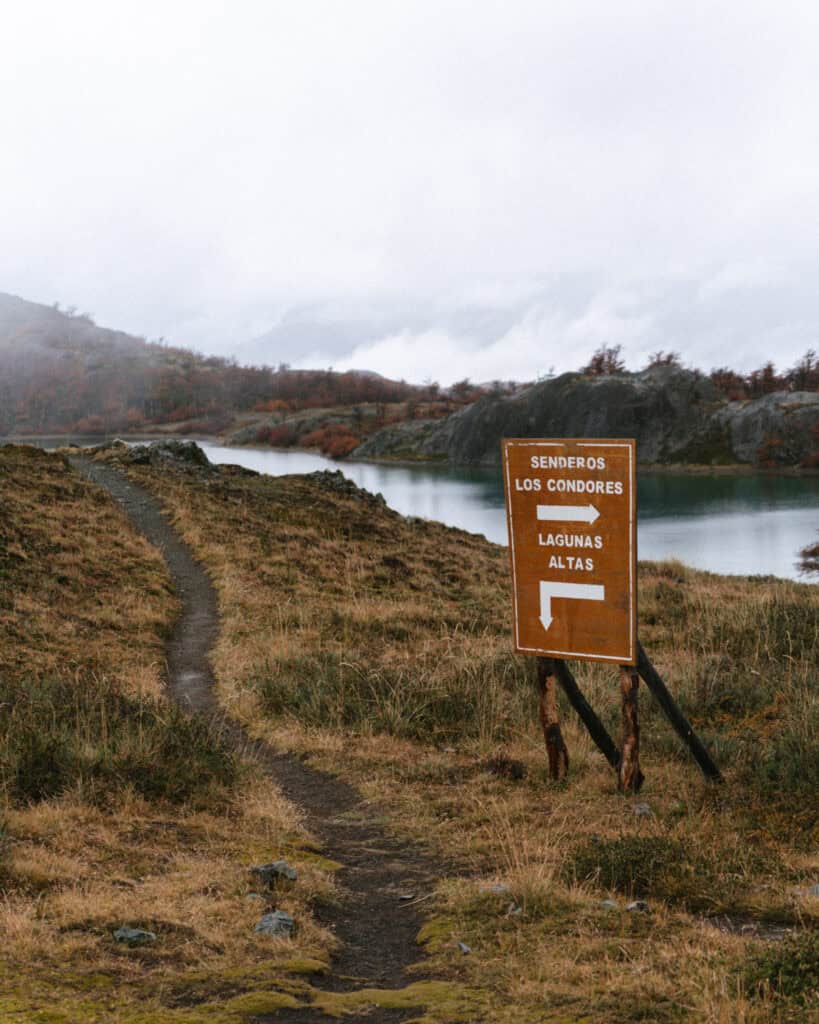
🥾 If you want to complete a multi-day point-to-point hike between the Valle Chacabuco Sector and the Tamango Sector, you should hike the first part of the Lagunas Altas trail to its highest point, before meeting with other trails in the Tamango Sector that drop down the other side of Cerro Tamango. There are multiple trail options, one being the Sendero Los Condores, but if you take a look at the AllTrails map, you will see all the possible routes.

LA VEGA ⭐️
- 🥾 Trail type: loop
- 📍 Trailhead location: Camping Los West Winds or park HQ
- 🗺️ Trail map: AllTrails
- 📏 Distance: 5.3 km (3.3 mi)
- 📈 Elevation gain: 89 m (292 ft)
- 🥵 Difficulty: easy
- ⏰ Duration: 1.5 – 2 hours with stops
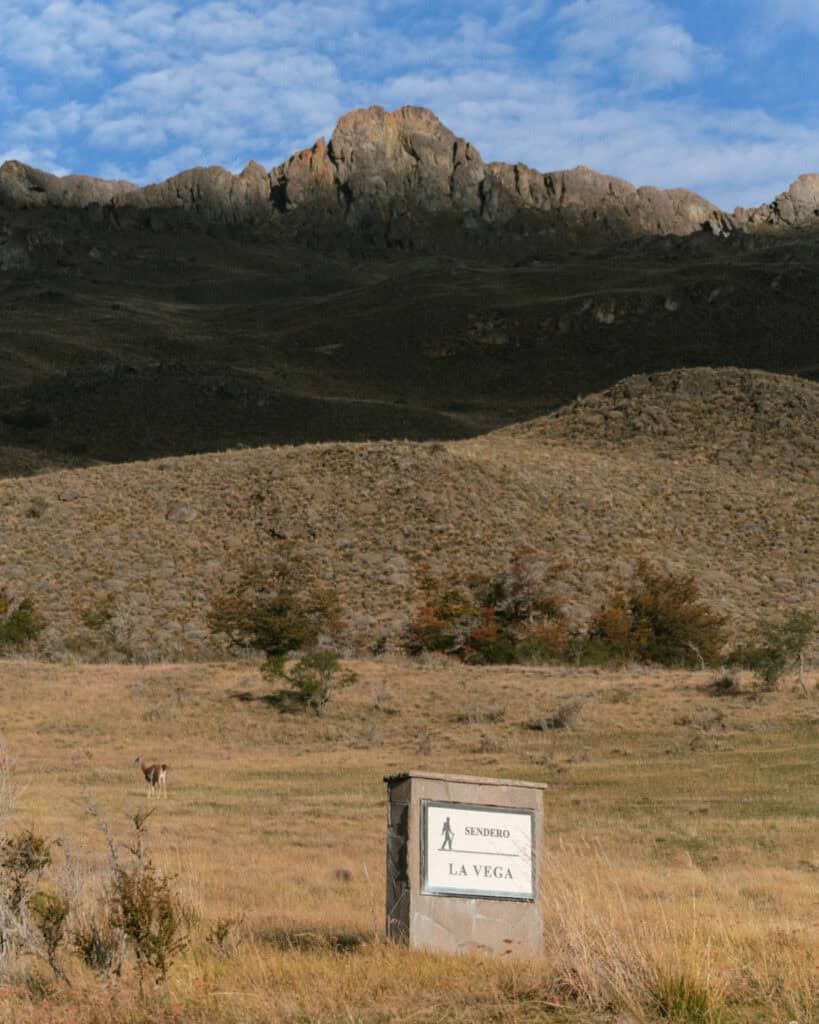
This is the first trail you should hike when you get to Valle Chacacbuco. It’s a loop that passes both the park HQ area and the Los West Winds Campground, so you can join it from wherever you’re based.
It doesn’t matter which direction you walk, it’s relatively flat either way.
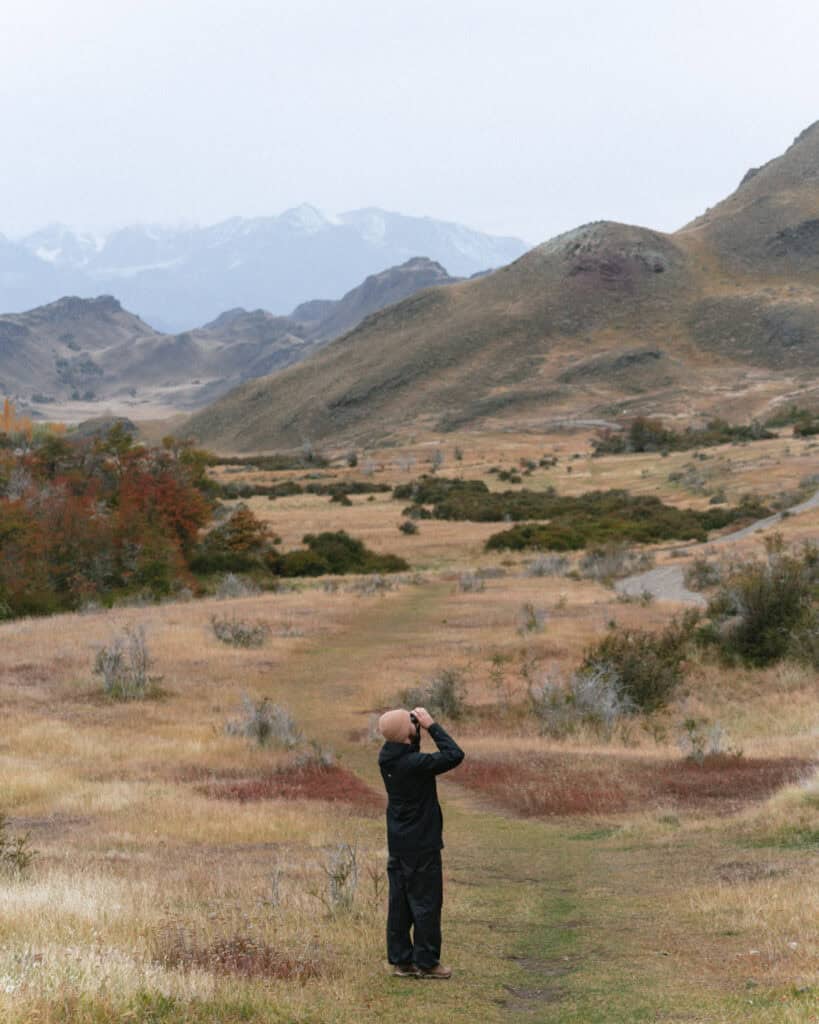
Besides being a good way to get a feel for the park and wander around the HQ area (the trail winds past all the lodge buildings and Doug Tompkin’s grave), it’s also an excellent place to see pumas.
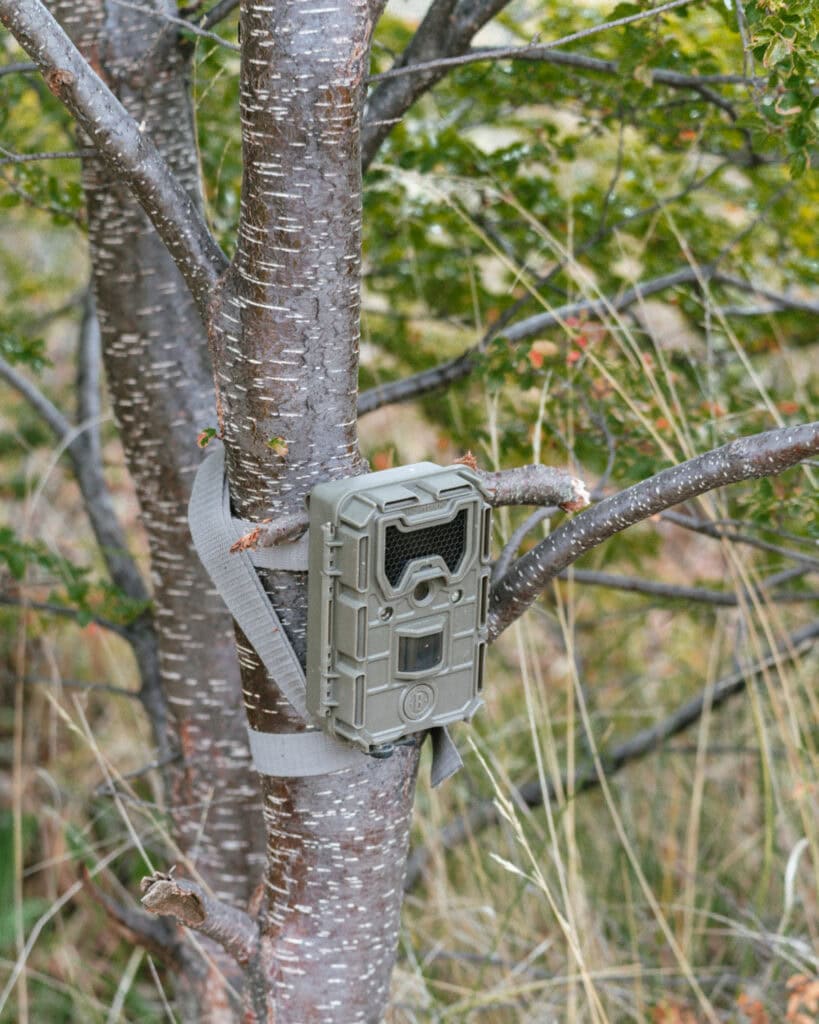
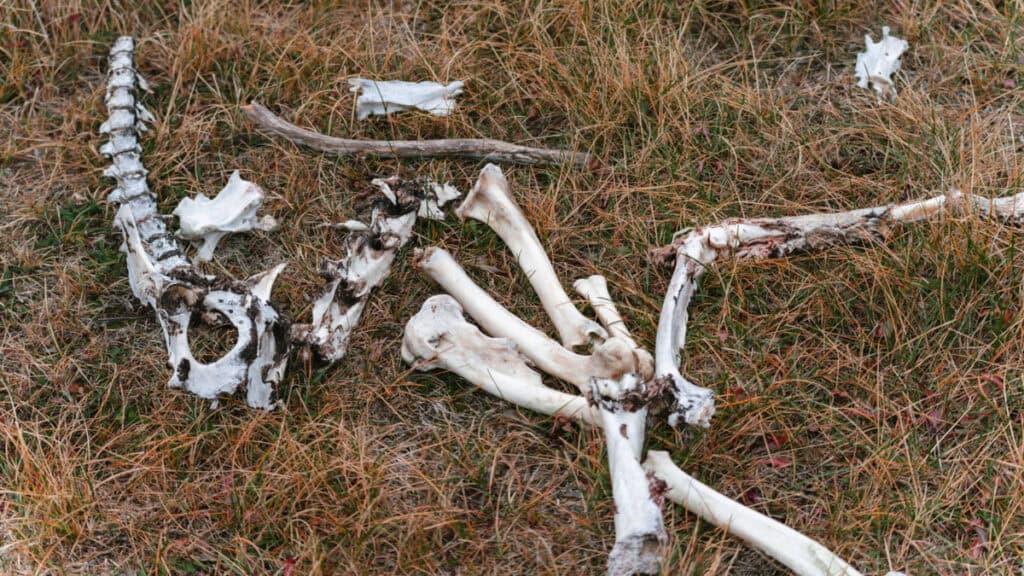
The rangers recommend doing it in the late afternoon, and you may have a good chance of spotting one. You’ll notice motion cameras set up along the trail, so they obviously do pass by! We also saw some guanaco bones right alongside the trail that were presumably from a puma.
LAGUNA CISNES
- 🥾 Trail type: out-and-back
- 📍 Trailhead location: park HQ
- 🗺️ Trail map: AllTrails
- 📏 Distance: 7.7 km (4.8 mi)
- 📈 Elevation gain: 233 m (764 ft)
- 🥵 Difficulty: easy – moderate
- ⏰ Duration: 2 – 3 hours with stops
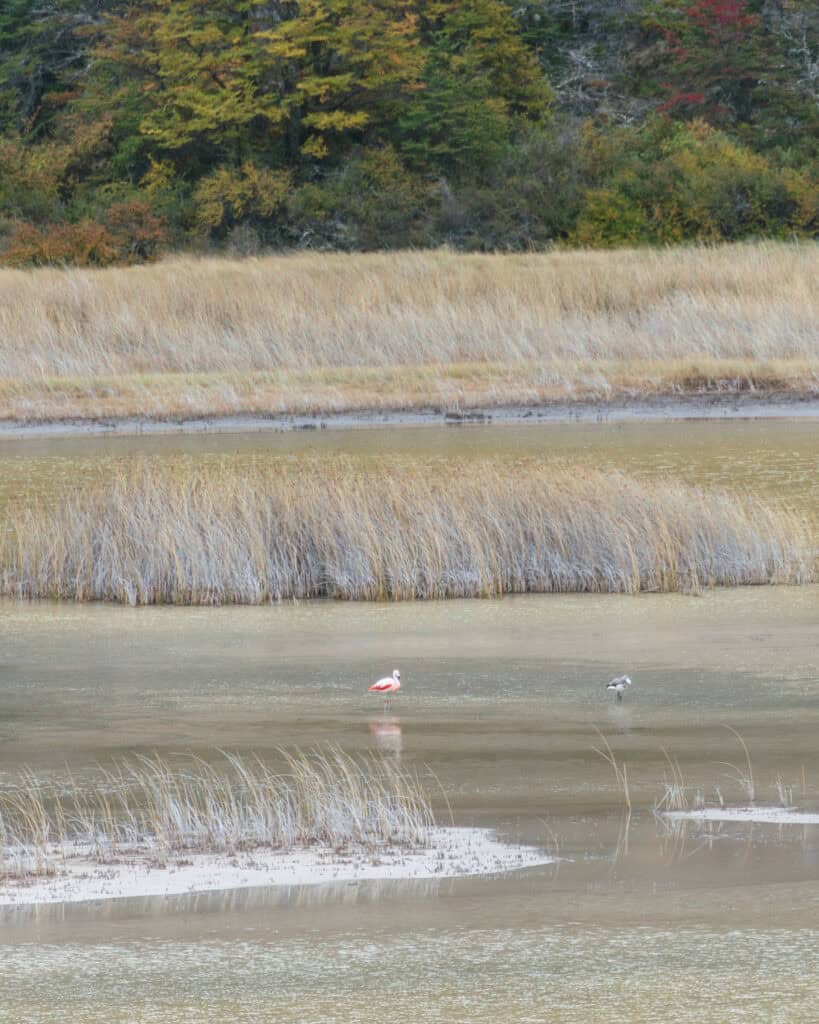
Another excellent moderate-length trail that starts right from the park HQ. This trail leads to Laguna Cisnes, which in spring and summer has lots of birds, including flamingoes!
This trail was formerly part of a bigger loop that combined the Laguna Cisnes trail with another trail called the Cañón Chacabuco. Apparently, the loop was closed as hikers kept getting lost following guanaco trails.
Now there is the option to complete two out-and-back trails: one to Laguna Cisnes (right at the trailhead, 7.7 km) or one to Cañadon Chacabuco (left at the trailhead, ~10 km).
There’s not a lot of information online about the canyon, but what I do know is that the trail leads to an epic suspension bridge over the Rio Chacabuco. It’s a very tall and steep canyon with the bridge elevated high above the river. It looks awesome, and I wish we had the time to do the hike. Check the trail maps at the visitor info centre or in the cafeteria before you set off.
Trails from Casa de Piedra Campground
AVILES LOOP TRAIL ⭐️
- 🥾 Trail type: loop
- 📍 Trailhead location: Camping Casa de Piedra
- 🗺️ Trail map: AllTrails
- 📏 Distance: 16.1 km (10 mi)
- 📈 Elevation gain: 628 m (2060 ft)
- 🥵 Difficulty: hard
- ⏰ Duration: 5 – 7 hours with stops
We didn’t have the time for two big day hikes as we lost one day in the park to terrible weather. We ended up choosing the Lagunas Altas trail over this one, but I am desperate to go back and do this hike!
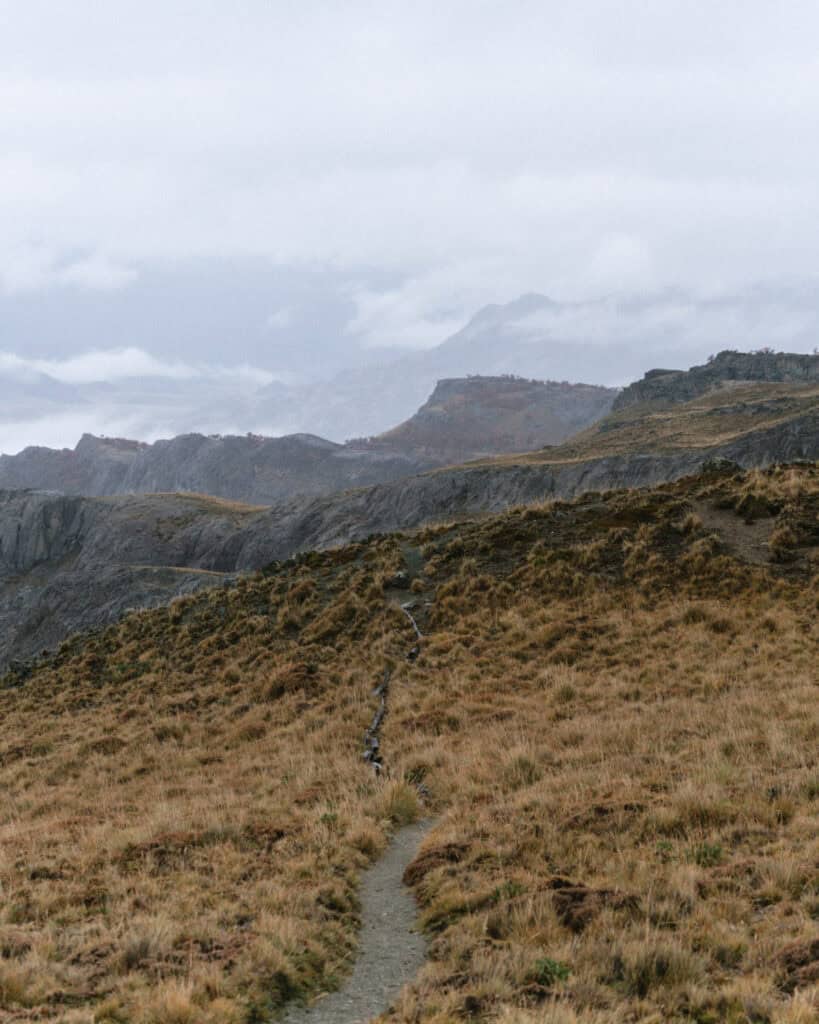
Starting from the Casa de Piedra Campground, the Aviles Loop trail heads north along the Rio Aviles. The river is in a deep canyon a lot of the way, so you’re walking on quite steep ledges.
At the halfway point, there is a suspension bridge to cross the river, before looping back and following the river on the opposite bank. There is a section where you need to cross a creek.
🥾 It is possible to continue along this trail as a multi-day point-to-point hike, to eventually reach the Jeinimeni Sector of the park
LAGO GUTIERREZ
- 🥾 Trail type: out-and-back
- 📍 Trailhead location: Camping Casa de Piedra
- 🗺️ Trail map: AllTrails
- 📏 Distance: 6.8 km (4.2 mi)
- 📈 Elevation gain: 272 m (892 ft)
- 🥵 Difficulty: moderate
- ⏰ Duration: 2.5 – 3.5 hours with stops
This trail isn’t particularly popular or well-trodden, but if you’re camping at Casa de Piedra, it would be a nice recovery hike after the Aviles Loop trail.
It leads to a beautiful crystalline lake, and I can almost guarantee it will just be you and the guanacos!
Trails from Alto Valle Campground
MIRADOR DOUGLAS TOMPKINS
- 🥾 Trail type: out-and-back
- 📍 Trailhead location: X-83 / Alto Valle Campground
- 🗺️ Trail map: AllTrails
- 📏 Distance: 13.7 km (8.5 mi)
- 📈 Elevation gain: 409 m (1342 ft)
- 🥵 Difficulty: moderate
- ⏰ Duration: 4 – 5 hours with stops
The Mirador Douglas Tompkins in the eastern part of Valle Chacabuco offers gorgeous views over the park and out to Lago Cochrane.
This lookout is quite well-known, but it is also quite confusing. Primarily about whether or not you can drive to it.
If you look at the trail on AllTrails, you’ll see it starts right from X-83. Unless the campground is closed and blocked off, any car should be able to drive to the Alto Valle Campground. From there, there are numerous car parks all along the track (you’re actually walking along a ‘road’).
The road runs right to the base of the mirador, but it’s very mixed messaging about whether you can safely drive all the way. At the very least, you’ll need a 4×4, but at certain times of the year, even this isn’t possible. The trail is heavily rutted, narrow and overgrown in parts.
If you walk the whole thing from the road and back, it’s just under 14 km. So at the very worst, and you can’t drive any of the way, it’s doable.
However, the catch is that there is another excellent trail extending from the mirador to a lake, so if you could drive part or all of the way to the mirador, you could do the lake trail too. It would be a big undertaking to do both from X-83.
LAGO CHICO CIRCUIT ⭐️
- 🥾 Trail type: loop
- 📍 Trailhead location: Camping Alto Valle
- 🗺️ Trail map: AllTrails
- 📏 Distance: 13.8 km (8.6 mi)
- 📈 Elevation gain: 480 m (1575 ft)
- 🥵 Difficulty: moderate
- ⏰ Duration: 4 – 5 hours with stops
Unless you were banking on driving most of the way to the Douglas Tompkins Mirador and not hiking at all, I’d recommend doing this hike over the other one.
The trail on AllTrails assumes you can drive at least a short way past the Alto Valle Campground, but play it by ear and go as far as you comfortably can with your vehicle.
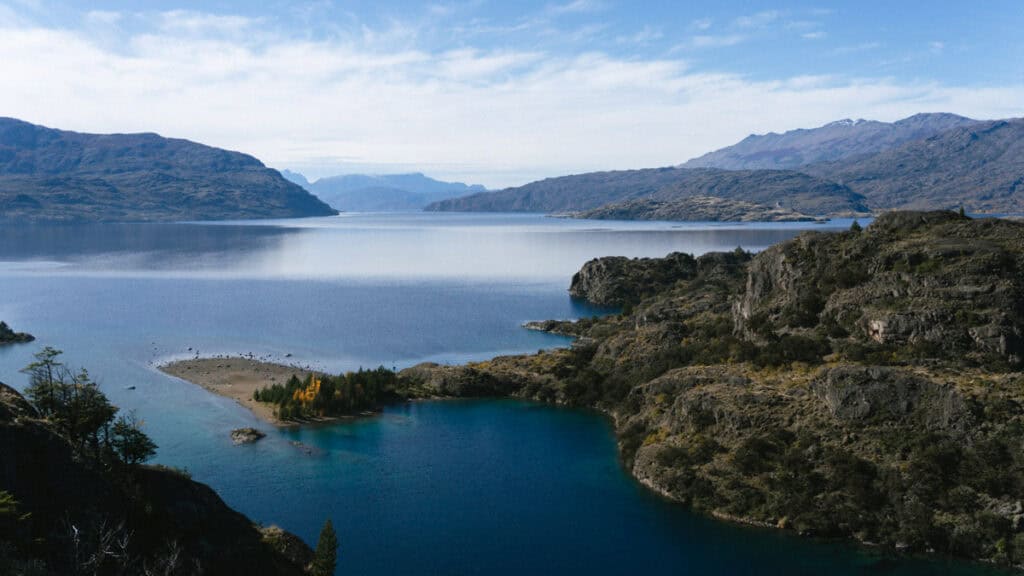
The trail then ascends up the mirador, with excellent views over Lago Cochrane in the Tamango Sector of the park, before dropping down and continuing towards Lago Chico, another spectacular lake.
Assuming you can drive past the campground, you get more bang for your buck on this trail with the mirador and a lake, with less time walking on the road.
Other activities in Valle Chacabuco
DRIVE THE LENGTH OF X-83
Even if you’re not planning to sleep at one of the further campgrounds or do any of those trails, I’d recommend spending a day driving the length of X-83 towards the Argentine border.
We spent a rainy day in the car, cruising from Camping Los West Winds to Camping Alto Valle and back. The drive should have been about ~1 hour each way, but we stopped a lot to look for wildlife, admire the rock formations and take photos.
The scenery is just breathtaking, with huge rock formations everywhere you look. We were on the lookout for pumas all day (no luck), but spotted lots of guanacos and even a flamingo in the distance at one of the lagoons.
The ideal scenario is that you hike one of the trails out this way (Aviles Loop, Lago Chico), but if you don’t have the energy or favourable weather, driving X-83 still gives you an incredible view of a big chunk of the park.

SPA TREATMENTS AT THE EXPLORA LODGE
Don’t get your hopes up, I can’t confirm for sure if these treatments are available to non-guests, but it’s something worth investigating if you want a little bit of luxury! The outdoor hot tubs looked excellent for soaking weary muscles, and there were a handful of private treatment rooms for massages.
Wildlife to look out for
The Valle Chacabuco Sector is the place to see wildlife in Patagonia National Park. Considered one of the best places to see pumas in all of Patagonia, a lot of visitors are very lucky here with a sighting (unfortunately, we were not!).
The list of wildlife you can see in this sector is probably 100 times what I’ve mentioned below, but I wanted to point out a few of the animals you might be hoping to see, and where to see them.
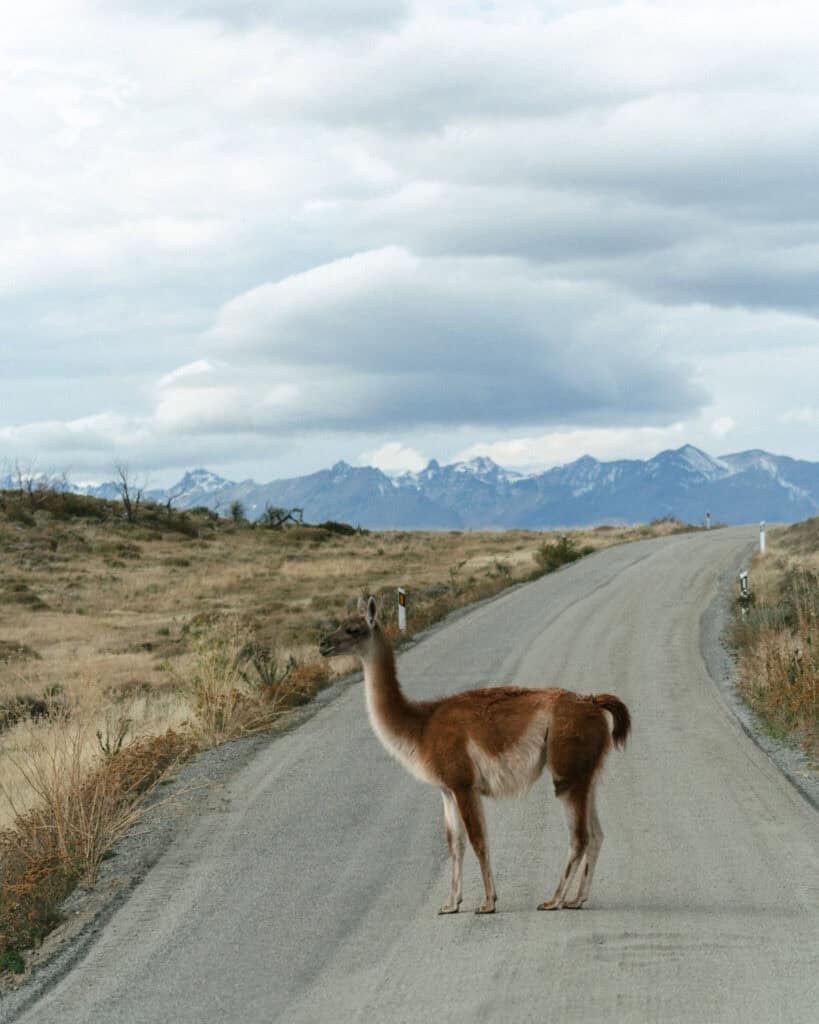
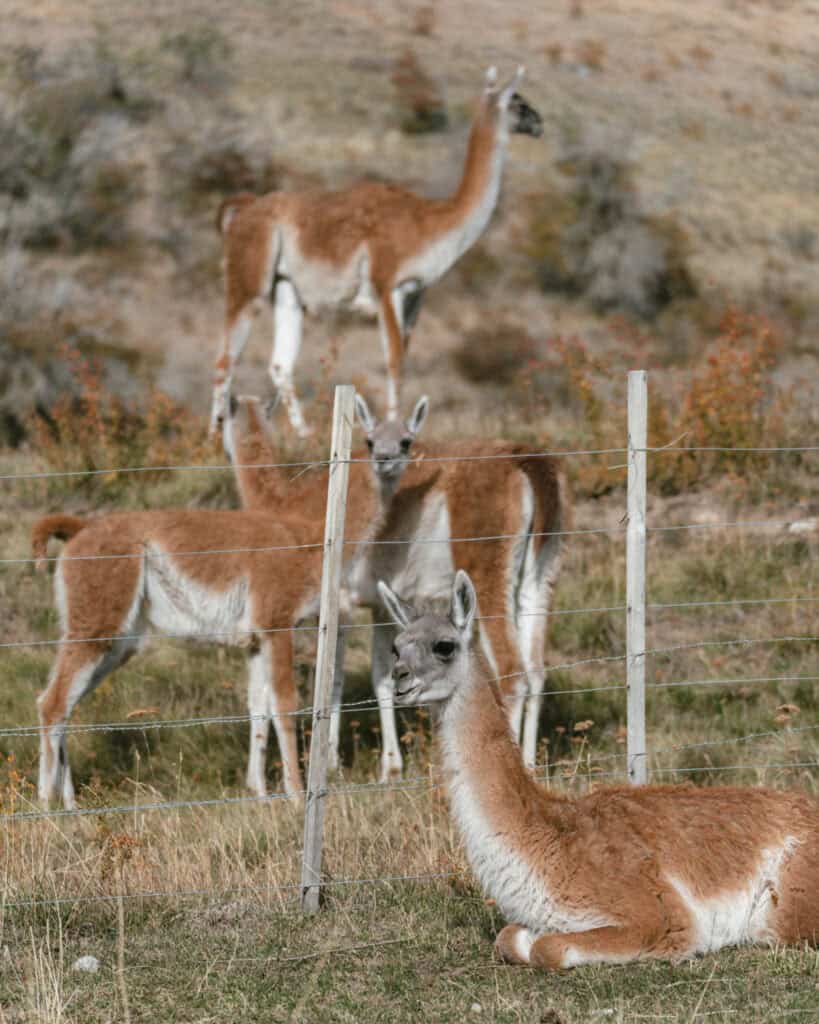
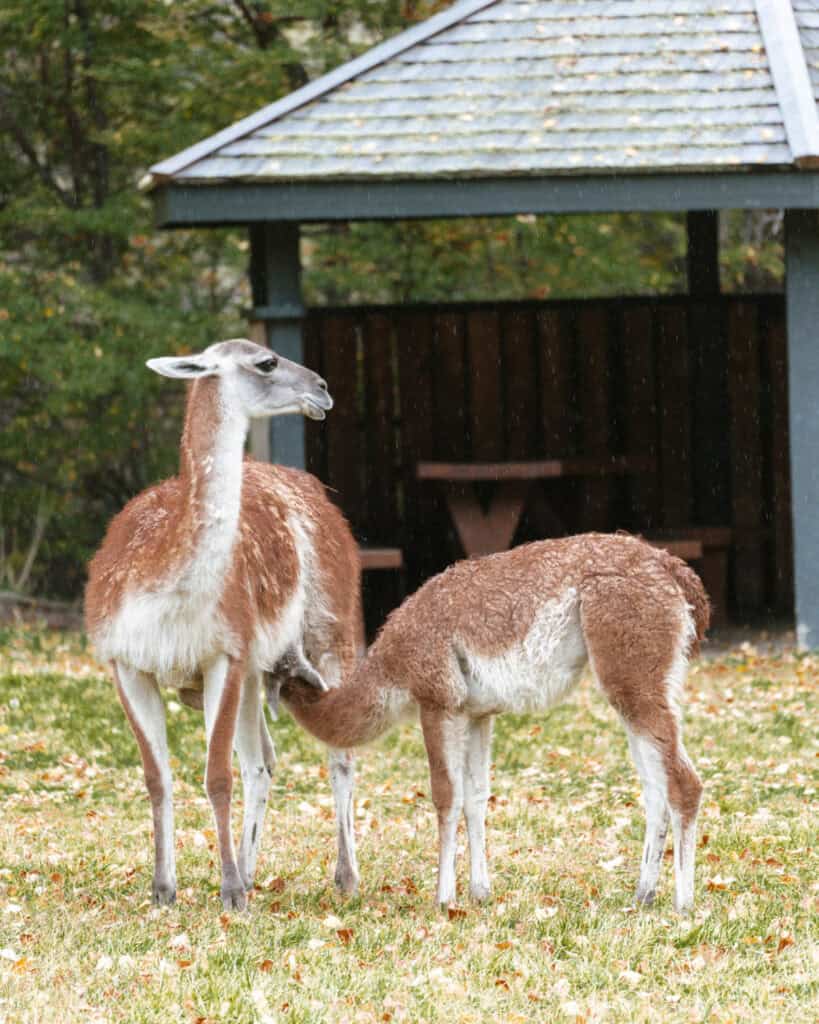
- 🦙 Guanacos: as soon as we turned off the Carretera Austral and onto X-83 to enter the park, we saw guanacos. We didn’t stop seeing them the entire time, they were everywhere! They are so adorable I am obsessed, I think I took 1,000 photos of guanacos! During the three nights we spent at Los West Winds, we saw guanacos every single day, usually from our camper window! They were around all throughout the day and we didn’t really notice a difference between morning vs day vs dusk.
- 🐆 Pumas: everybody who visits Parque Nacional Patagonia is hoping to see a puma. We were no exception, and we had our eyes constantly glued to our binoculars throughout our time in the park. I don’t know if it was the bad weather we had or we were just unlucky, but unfortunately, we didn’t see any. However, we scoped out the best places and times to see them from the rangers and camp staff.
Late afternoon / early evening is when pumas are most active, and we were advised by multiple people that the West Winds Campgrounds and the area surrounding it are the best places to see pumas. This includes the La Vega trail and the first few km of the Lagunas Altas trail, if you start from the campground.
In saying that, they can be anywhere, so always keep your eyes and ears peeled.
- 🦅 Condors: there are a lot of Andean Condors all over Patagonia, and Valle Chacabuco is no exception. You’ll most commonly see them soaring high in the sky, but they favour rocky outcrops to build their nests, and there are plenty of those in this area!
- 🦌 Huemul: the endangered huemul deer is a very sought-after animal to see in Parque Nacional Patagonia. While it’s not impossible to see them in the Valle Chacabuco Sector, sightings are much more common in the forested areas of the Tamango Sector, on the other side of the mountain range.
- 🦤 Nañdus: also known as rhea, these emu-like flightless birds are a common sighting in the Patagonian steppe, but populations in the Chacabuco Valley had dwindled down to near none. The Rewilding Chile foundation has been working on a reintroduction project, and in early 2025, a group of 50 chicks and adults were released in the area. We didn’t spot any when we visited, but they are certainly around! Keep a lookout in the vast grasslands.
What to bring
This is our go-to day-hike packing list for Patagonia.
We amend it slightly depending on the trail distance and terrain, and weather conditions, but as a base, this is everything we think about before a long day hike. Never forget that the weather in Patagonia can change on a dime, so even if you set out hiking in sunshine, you need extra layers for wet or freezing conditions.
- 💦 Water bottles x 2 per person
- 🫧 Electrolyte sachets
- 🍭 Lollies
- 🥪 Lunch or snacks
- 🍴 Reusable cutlery kit (if required for food)
- ♨️ Thermos with hot water
- ☕️ Reusable coffee cup
- 🫖 Tea or coffee bags
- 🥾 Hiking poles
- 👀 Binoculars
- 🔦 Head torches
- 🧢 Hat
- 😎 Sunglasses
- 🧴 Sunscreen (reef-friendly)
- 🦟 Insect repellent (natural)
- 🧥 Rain coat and pants
- ☔️ Dry bags and/or waterproof bag cover
- 🧣 Gloves, scarf/buff and beanie
- 🥶 Extra warm layers
- 🧦 Spare pair of socks
- 🩳 Shorts to change into if warm
- 🧖🏽♀️ Towel (if swimming)
- 👙 Bathers (if swimming)
- 🩹 Mini first aid kit and medicines
- 🧻 Tissues and/or toilet paper
- 🚽 SheWee
- 📱 Charged phone with trail map downloaded offline
- 📷 Camera with spare batteries and memory card
- 📚 Ereader
- 🔌 Powerbank and phone cord
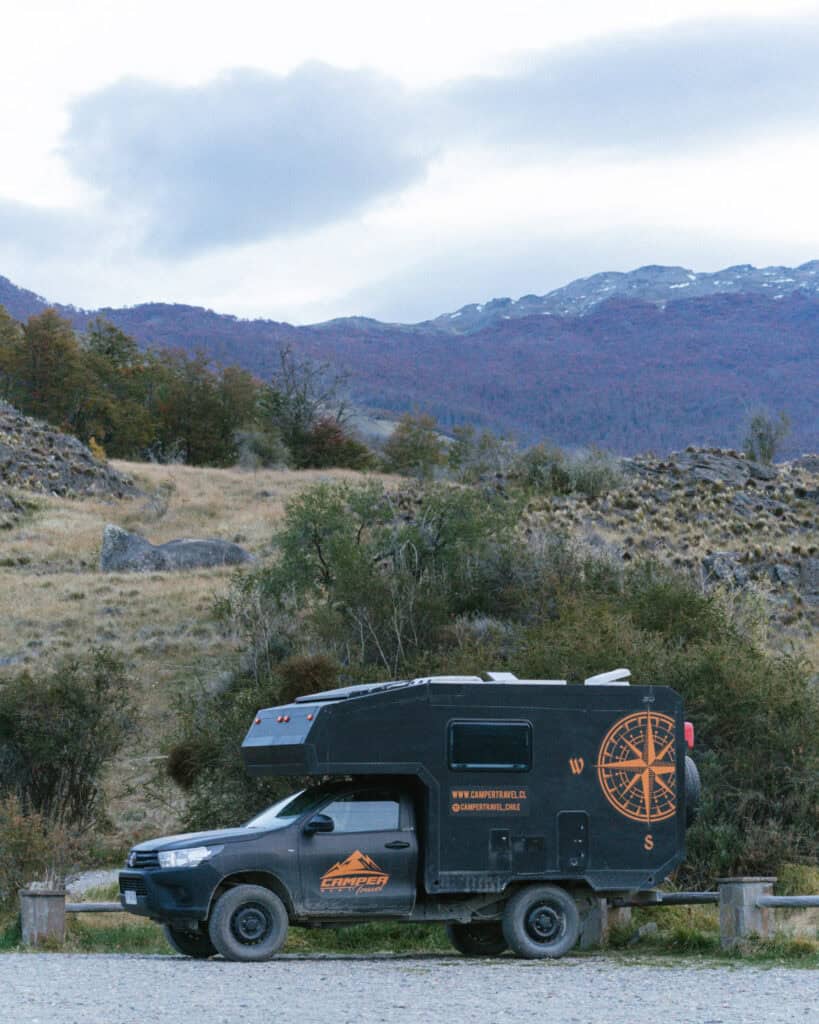
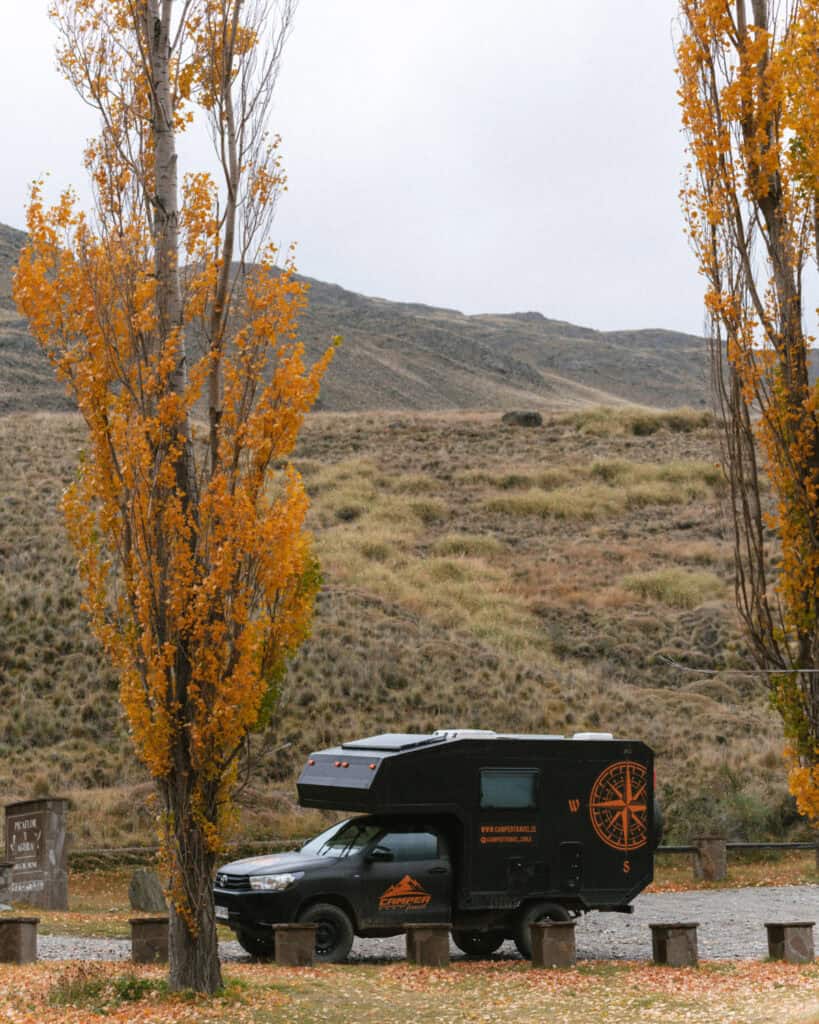
If you’re spending multiple days in Valle Chacabuco, you’ll need to add food, camping and cooking gear and extra clothes to this list. We visited in our Camper Travel Chile camper as part of our broader road trip through the Carretera Austral, so our vehicle was already fully stocked with all our bits, and we did a big grocery shop in Cochrane before we drove into the park.
Planning a trip to Cochrane
The closest town to the Valle Chacabuco Sector of the Patagonia National Park is Cochrane. If you’re planning a trip to Cochrane or the Carretera Austral more broadly, don’t forget to read our Cochrane travel guide too. It covers all the important info you need to know about Cochrane, like getting there, getting around, the best places to eat, where to stay and other handy tips to get your bearings.
🦌 Everything you need to know about Cochrane

Final thoughts: Valle Chacabuco
Parque Nacional Patagonia (and the Valle Chacabuco Sector more specifically) was one of our favourite national parks in Patagonia.
Being surrounded by dozens of guanacos every day, experiencing an entirely different type of landscape and enjoying the beautiful facilities of the park that the Tompkins family lovingly created was a big highlight of our Carretera Austral road trip.
We spent three nights here, but could have easily stayed a week, as narrowing down which trails we wanted to do was a hard decision! We’ve got a lot more to discover here, and I would love to hear about your experience in the comments.
Understanding how to visit Parque Nacional Patagonia, the different sectors, campgrounds, trails, etc., was quite confusing before we visited, so I hope this post has demystified things for you!
Don’t forget to check out our Cochrane guide, the jump-off point for the park, and also our guide to the Tamango Sector, which doesn’t get as much recognition as it deserves.
MORE COCHRANE POSTS

The Comments
Jacky Arnold
Just found your blog. My husband and I are going to Patagonia National Park the first week of March. I’m almost embarrassed to say it, but we’re staying at the Explora Lodge. We’re 72 years young, not wealthy, but love to travel. My husband is retired Air Force and we lived in many interesting places and traveled as much as we could back in those days on a budget. But retirement seems to be working well and now we’re traveling and pampering ourselves a bit. I saw the Explora place and after seeing the price, closed that website. Then a week or so later an ad popped up with a 40% discount. Expensive still, but 40% less expensive. I’ll report back to you when we get back. At this point, I do know the hot tubs are free with reservations, but the massages cost extra!
Sally Rodrick
Jacky ArnoldDon’t be embarrassed Jacky! What a wonderful experience to stay in the lodge, right in the middle of the park! Especially at 40% off – if I’d seen that we probably would have been staying there too! It’s built in harmony with the nature surrounding it and is such a beautiful hotel. The hot tubs look dreamy and will be perfect for soaking weary muscles after your hikes. I’d love to hear how you find it. Enjoy yourself, sounds like you’ve both earnt it – that’s what retirement is for! All the best, Sally